Construction sites come in many different shapes and sizes, and no matter what sort of project they facilitate, there’s a lot going on. Builders, joiners, welders, and plasterers are running here, there, and everywhere, and it takes a great deal of organization to get things running smoothly.
If you’re managing a construction site for the first time, one of the most confusing aspects can be figuring out what sort of equipment you need. Getting this wrong can result in a lot of wasted time and heavy financial penalties, so it’s essential to understand what you’re buying and why, and when you should rent instead of making a big purchase.
Those decisions must be made on a case-by-case basis, but to help get you started, here are the top ten most important pieces of equipment for a modern construction site.
1. Bulldozers
The initial stages of working on a construction site usually necessitate reforming the ground so that both temporary and permanent structures can be erected on top of it.
For this purpose, bulldozers are the go-to machines. They’re specifically designed to haul large amounts of earth and redistribute material quickly and efficiently. This is one of those multifunctional machines you’ll come to rely on for everything, so they’re most certainly a worthwhile investment.
2. Excavators
Excavators are a ‘bread and butter’ machine that anyone managing a construction site will need to use extensively throughout each project. They’re your workhorse for any digging that needs doing, and they’re very versatile in that they can also perform a lot of general lifting tasks depending on what attachments you use.
You can’t get the job done if you don’t have one, and for larger construction tasks, you’ll usually want more than one.
3. Scaffolding
Scaffolding is a key piece of infrastructure for any site. It provides workers with the security they need to work around the perimeter of a building and on the roof, and you won’t be able to lay bricks or render walls without it.
It can be arranged in many different ways depending on the project demands – just make sure you have a team competent enough to erect it.
4. Dump Trucks
During a construction project, one of the most routine tasks is transporting loose materials like sand and gravel. Your typical site usually requires large quantities of these products, and you won’t get very far if you don’t have a dump truck.
The truck’s large capacity will ensure there aren’t any holdups, as you can transfer tons of product at a time. Naturally, there are many different sizes available, so if you’re renting, it may be wise to cover your bases and get a couple with different capacities.
5. Scissor Lifts
Scissor lifts are a key piece of equipment you’ll come to rely on regularly when you need to work on something high up. They have an advantage over scaffolding in that you can take the lift anywhere workers need to go at a moment’s notice, increasing the speed at which the task can be completed and lessening the likelihood of operational bottlenecks.
You’ll need to ensure you get the right model, however – REIC Specialty, for example, offers both indoor and outdoor options as well as those designed specifically for rough terrain.
6. Compactors
Compactors are there to properly prepare the ground for the foundations of whatever you’re building. They work by compressing soil and gravel to make a firm, level base, and given the sorts of heavy structures that will be sitting on top, they’re a very important part of this whole process.
They come in several different sizes, from hand-operated plate compactors for small tasks to large roller vehicles for when large areas need to be flattened.
7. Power Generators
All construction sites need power, and this should be one of the very first things you prioritize.
Your onsite electricity will come in the form of dedicated generators, which power everything from small power tools to heavy machinery and lighting rigs. Where you can, choose environmentally friendly options, as these bits of gear guzzle resources if you don’t plan things out carefully.
The company you buy or rent your generators from will be able to advise on sizes and how many you need, so be sure to reach out for help if you’re unsure.
8. Concrete Mixers
As you’ll know, concrete is one of the most important materials for a construction site, and you’ll need mixers to produce the vast quantities required for day-to-day functioning.
There are several different options to choose from. If you need to mix concrete for a large project, such as erecting multiple buildings, you’ll want to go for one of the bigger stationary mixers. For a smaller project, drum mixers will likely be fine and offer much better portability.
9. Forklifts
Forklifts are used for lifting and stacking uniform items like pallets and steel beams. They often represent the backbone of on-site transportation, as most solid materials are packaged in a way that makes them easy to maneuver while using one of these machines.
They’re also important for preventing injuries, as not only do workers not have to physically lift items and risk straining their back, but materials can be stacked uniformly, which means they’re not in the way and don’t present a trip or fall hazard.
10. Trenchers
Trenchers make digging underground channels for laying pipes and cables a breeze. Chain trenchers use specialised chains to shift soil, while wheel trenchers physically cut through the hardest types of terrain.
Both offer the precision necessary for these often complicated tasks and provide the foundation for building infrastructure that lasts a lifetime.
Wrapping Up
You should now be clearer on the most important bits of gear you’ll need to prioritize when running a construction site. You must always be careful with your budget, and it’ll take some time to get everything ironed out, but so long as you don’t rush into anything and choose carefully, you’ll make the right decisions.


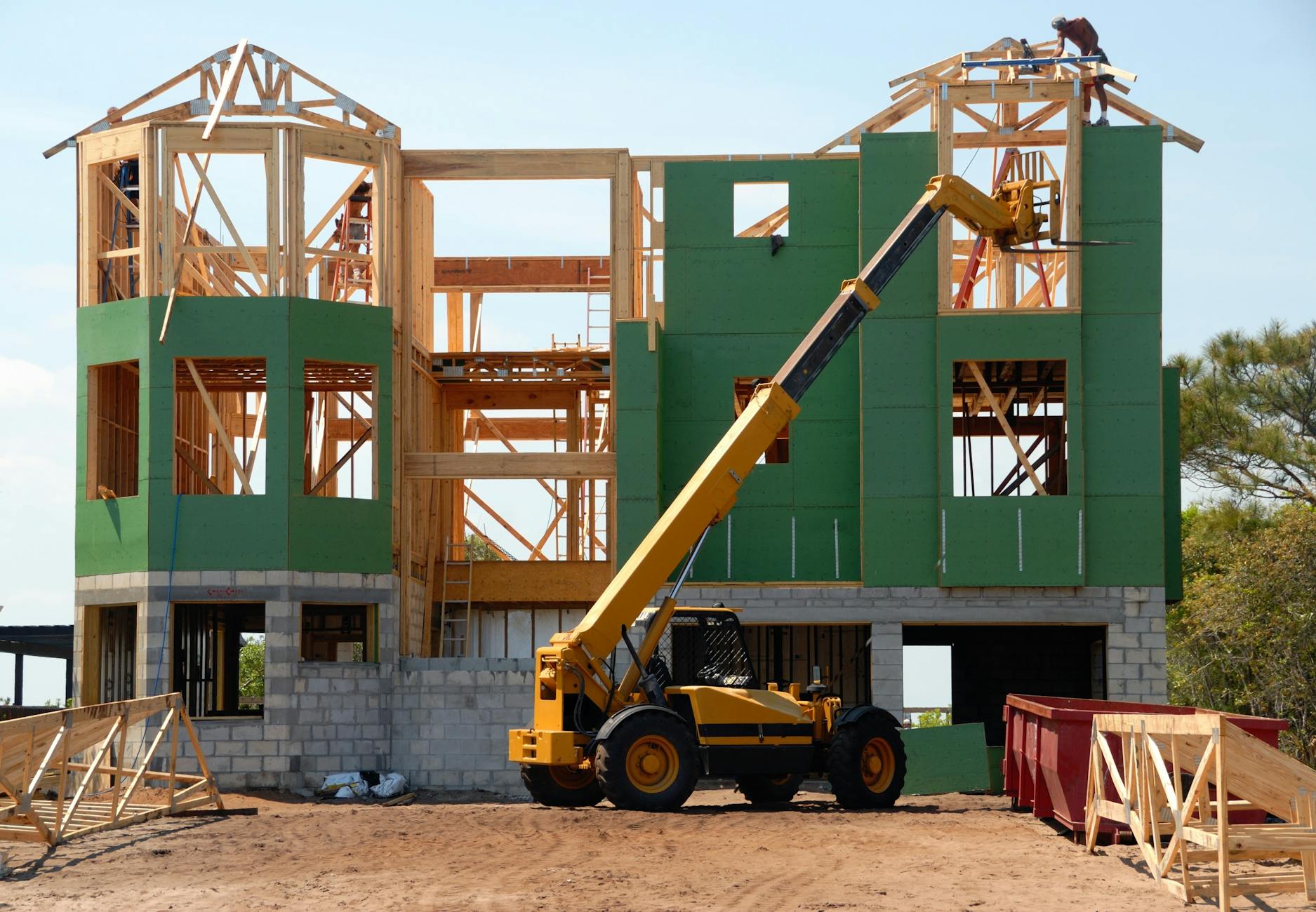
Construction sites come in many different shapes and sizes, and no matter what sort of project they facilitate, there’s a lot going on. Builders, joiners, welders, and plasterers are running here, there, and everywhere, and it takes a great deal of organization to get things running smoothly.
If you’re managing a construction site for the first time, one of the most confusing aspects can be figuring out what sort of equipment you need. Getting this wrong can result in a lot of wasted time and heavy financial penalties, so it’s essential to understand what you’re buying and why, and when you should rent instead of making a big purchase.
Those decisions must be made on a case-by-case basis, but to help get you started, here are the top ten most important pieces of equipment for a modern construction site.
1. Bulldozers
The initial stages of working on a construction site usually necessitate reforming the ground so that both temporary and permanent structures can be erected on top of it.
For this purpose, bulldozers are the go-to machines. They’re specifically designed to haul large amounts of earth and redistribute material quickly and efficiently. This is one of those multifunctional machines you’ll come to rely on for everything, so they’re most certainly a worthwhile investment.
2. Excavators
Excavators are a ‘bread and butter’ machine that anyone managing a construction site will need to use extensively throughout each project. They’re your workhorse for any digging that needs doing, and they’re very versatile in that they can also perform a lot of general lifting tasks depending on what attachments you use.
You can’t get the job done if you don’t have one, and for larger construction tasks, you’ll usually want more than one.
3. Scaffolding
Scaffolding is a key piece of infrastructure for any site. It provides workers with the security they need to work around the perimeter of a building and on the roof, and you won’t be able to lay bricks or render walls without it.
It can be arranged in many different ways depending on the project demands – just make sure you have a team competent enough to erect it.
4. Dump Trucks
During a construction project, one of the most routine tasks is transporting loose materials like sand and gravel. Your typical site usually requires large quantities of these products, and you won’t get very far if you don’t have a dump truck.
The truck’s large capacity will ensure there aren’t any holdups, as you can transfer tons of product at a time. Naturally, there are many different sizes available, so if you’re renting, it may be wise to cover your bases and get a couple with different capacities.
5. Scissor Lifts
Scissor lifts are a key piece of equipment you’ll come to rely on regularly when you need to work on something high up. They have an advantage over scaffolding in that you can take the lift anywhere workers need to go at a moment’s notice, increasing the speed at which the task can be completed and lessening the likelihood of operational bottlenecks.
You’ll need to ensure you get the right model, however – REIC Specialty, for example, offers both indoor and outdoor options as well as those designed specifically for rough terrain.
6. Compactors
Compactors are there to properly prepare the ground for the foundations of whatever you’re building. They work by compressing soil and gravel to make a firm, level base, and given the sorts of heavy structures that will be sitting on top, they’re a very important part of this whole process.
They come in several different sizes, from hand-operated plate compactors for small tasks to large roller vehicles for when large areas need to be flattened.
7. Power Generators
All construction sites need power, and this should be one of the very first things you prioritize.
Your onsite electricity will come in the form of dedicated generators, which power everything from small power tools to heavy machinery and lighting rigs. Where you can, choose environmentally friendly options, as these bits of gear guzzle resources if you don’t plan things out carefully.
The company you buy or rent your generators from will be able to advise on sizes and how many you need, so be sure to reach out for help if you’re unsure.
8. Concrete Mixers
As you’ll know, concrete is one of the most important materials for a construction site, and you’ll need mixers to produce the vast quantities required for day-to-day functioning.
There are several different options to choose from. If you need to mix concrete for a large project, such as erecting multiple buildings, you’ll want to go for one of the bigger stationary mixers. For a smaller project, drum mixers will likely be fine and offer much better portability.
9. Forklifts
Forklifts are used for lifting and stacking uniform items like pallets and steel beams. They often represent the backbone of on-site transportation, as most solid materials are packaged in a way that makes them easy to maneuver while using one of these machines.
They’re also important for preventing injuries, as not only do workers not have to physically lift items and risk straining their back, but materials can be stacked uniformly, which means they’re not in the way and don’t present a trip or fall hazard.
10. Trenchers
Trenchers make digging underground channels for laying pipes and cables a breeze. Chain trenchers use specialised chains to shift soil, while wheel trenchers physically cut through the hardest types of terrain.
Both offer the precision necessary for these often complicated tasks and provide the foundation for building infrastructure that lasts a lifetime.
Wrapping Up
You should now be clearer on the most important bits of gear you’ll need to prioritize when running a construction site. You must always be careful with your budget, and it’ll take some time to get everything ironed out, but so long as you don’t rush into anything and choose carefully, you’ll make the right decisions.
Share this:
Like this: