Krakow is often described as beautiful, lively, and full of history. Those things are true. The old town is charming, the cafés are full, and the streets feel alive late into the evening. But just beyond the postcard version of the city, some places ask something different of you. Places that are quieter, heavier, and deeply important.
Visiting memorial sites near Krakow is not about ticking boxes or taking photos. It’s about understanding where you are standing, what happened there, and why it still matters today. These visits tend to stay with people long after they leave Poland.
Why Memorial Sites Matter When You Visit Krakow
Many cities have difficult histories, but Krakow sits close to some of the most significant memorial sites in Europe. These places are not hidden. They are part of the region’s story, and for many visitors, they become the most meaningful part of their trip.
Memorial sites slow the pace of travel. They take you out of sightseeing mode and place you firmly in reflection mode. Instead of thinking about what’s next on the itinerary, you find yourself listening more carefully, reading plaques more slowly, and paying attention to details you might normally overlook.
These experiences often feel uncomfortable, but that discomfort is part of why they are important. They remind us that history is not abstract. It happened to real people, in real places, not very long ago.
Auschwitz-Birkenau and the Responsibility of Visiting
One of the most significant memorial sites near Krakow is Auschwitz-Birkenau. Visiting it is not something people do casually, and it shouldn’t be. This is a place that carries immense weight, and approaching it with respect matters.
Many visitors choose an organised Auschwitz tour because it provides historical context that is difficult to grasp alone. A knowledgeable guide helps explain not just what you are seeing, but why it exists, how it functions, and what the long-term impact has been.
This kind of visit is emotionally demanding. It is also deeply educational. You leave with a clearer understanding of the scale of what happened, and a stronger sense of responsibility to remember it accurately.
Other Memorial Sites Worth Visiting Near Krakow
While Auschwitz-Birkenau is the most well-known, it is not the only memorial site connected to World War II history in the area. Within Krakow itself, the former Jewish ghetto area in Podgórze offers several places for quiet reflection.
The Ghetto Heroes Square is particularly striking. The empty chairs scattered across the square symbolise absence and loss in a way that words often cannot. It’s a place people tend to stumble upon rather than plan for, yet it leaves a strong impression.
There are also remnants of walls, plaques on buildings, and smaller memorials woven into everyday streets. These sites remind visitors that history didn’t happen only in designated locations. It unfolded in homes, neighbourhoods, and ordinary spaces that people walk through today.
How to Approach These Visits Respectfully
Visiting memorial sites is not like visiting museums or landmarks. It requires a different mindset. Taking photos is sometimes permitted, but it’s worth pausing before doing so and asking why you are taking them.
Give yourself time. Rushing through these places does them a disservice. Read the information provided. Listen carefully if you’re on a guided visit. Allow yourself moments of silence without feeling the need to fill them.
It’s also okay to feel emotionally overwhelmed. Many people do. Taking a break afterwards, sitting quietly, or talking through what you experienced can help process it.
Balancing Reflection With the Rest of Your Trip
Some travellers worry that visiting memorial sites will overshadow the rest of their time in Krakow. In reality, many people find the opposite. These visits add depth to the experience of the city rather than detracting from it.
After seeing these places, Krakow’s streets, churches, and squares take on new meaning. You understand the resilience of the city and its people in a more personal way. Joy and remembrance coexist here, and recognising both feels important.
Leaving With More Than Memories
Memorial sites near Krakow are not meant to entertain. They are meant to educate, commemorate, and remind. Visiting them is not about enjoyment, but about understanding.
For many travellers, these places become the moments they think about most when they return home. They shape conversations, influence perspectives, and reinforce why remembering history matters.
If you choose to visit them, do so thoughtfully. These are not just places to see. They are places to listen to, reflect on, and carry with you long after the trip ends.


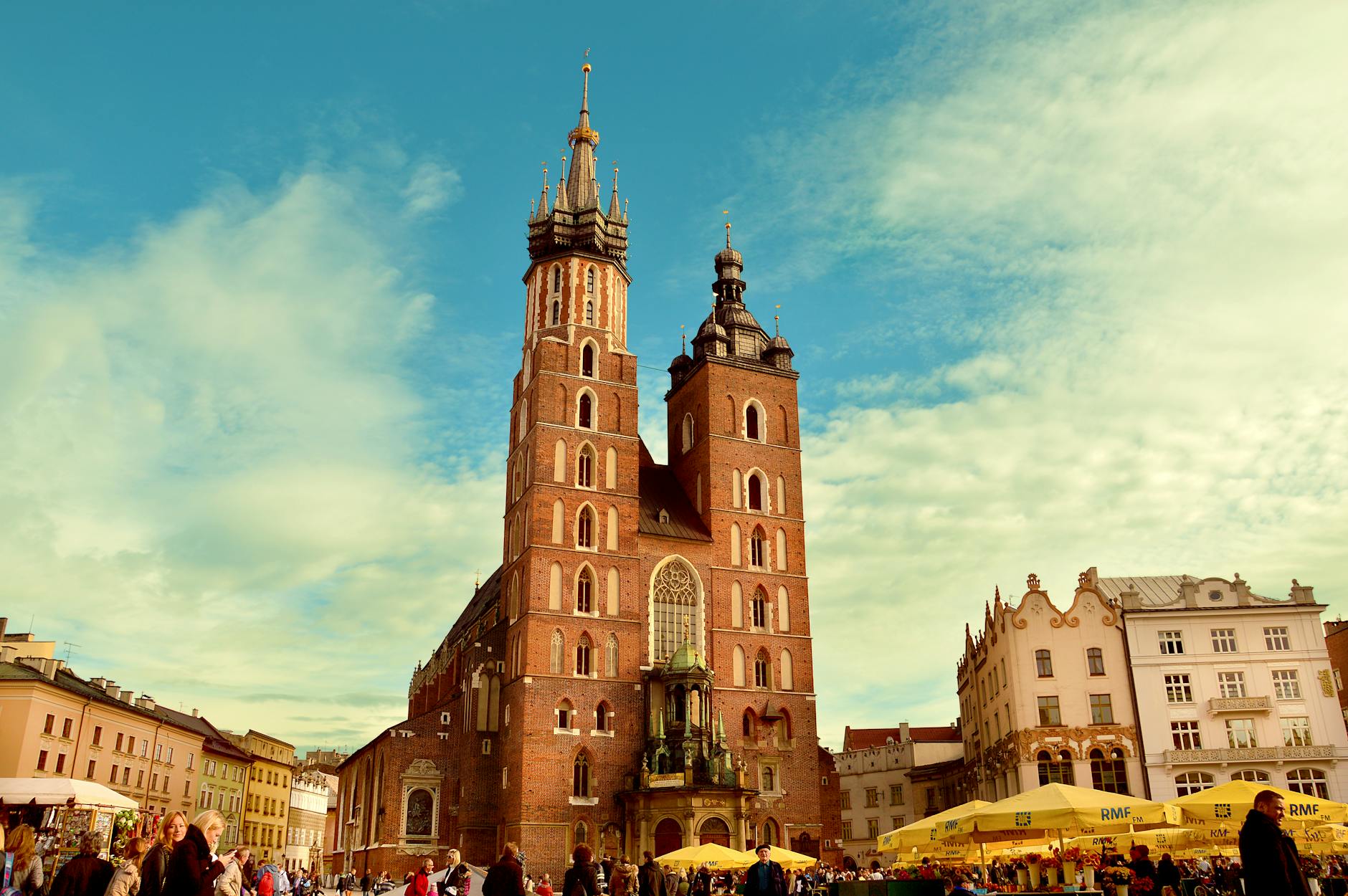
Krakow is often described as beautiful, lively, and full of history. Those things are true. The old town is charming, the cafés are full, and the streets feel alive late into the evening. But just beyond the postcard version of the city, some places ask something different of you. Places that are quieter, heavier, and deeply important.
Visiting memorial sites near Krakow is not about ticking boxes or taking photos. It’s about understanding where you are standing, what happened there, and why it still matters today. These visits tend to stay with people long after they leave Poland.
Why Memorial Sites Matter When You Visit Krakow
Many cities have difficult histories, but Krakow sits close to some of the most significant memorial sites in Europe. These places are not hidden. They are part of the region’s story, and for many visitors, they become the most meaningful part of their trip.
Memorial sites slow the pace of travel. They take you out of sightseeing mode and place you firmly in reflection mode. Instead of thinking about what’s next on the itinerary, you find yourself listening more carefully, reading plaques more slowly, and paying attention to details you might normally overlook.
These experiences often feel uncomfortable, but that discomfort is part of why they are important. They remind us that history is not abstract. It happened to real people, in real places, not very long ago.
Auschwitz-Birkenau and the Responsibility of Visiting
One of the most significant memorial sites near Krakow is Auschwitz-Birkenau. Visiting it is not something people do casually, and it shouldn’t be. This is a place that carries immense weight, and approaching it with respect matters.
Many visitors choose an organised Auschwitz tour because it provides historical context that is difficult to grasp alone. A knowledgeable guide helps explain not just what you are seeing, but why it exists, how it functions, and what the long-term impact has been.
This kind of visit is emotionally demanding. It is also deeply educational. You leave with a clearer understanding of the scale of what happened, and a stronger sense of responsibility to remember it accurately.
Other Memorial Sites Worth Visiting Near Krakow
While Auschwitz-Birkenau is the most well-known, it is not the only memorial site connected to World War II history in the area. Within Krakow itself, the former Jewish ghetto area in Podgórze offers several places for quiet reflection.
The Ghetto Heroes Square is particularly striking. The empty chairs scattered across the square symbolise absence and loss in a way that words often cannot. It’s a place people tend to stumble upon rather than plan for, yet it leaves a strong impression.
There are also remnants of walls, plaques on buildings, and smaller memorials woven into everyday streets. These sites remind visitors that history didn’t happen only in designated locations. It unfolded in homes, neighbourhoods, and ordinary spaces that people walk through today.
How to Approach These Visits Respectfully
Visiting memorial sites is not like visiting museums or landmarks. It requires a different mindset. Taking photos is sometimes permitted, but it’s worth pausing before doing so and asking why you are taking them.
Give yourself time. Rushing through these places does them a disservice. Read the information provided. Listen carefully if you’re on a guided visit. Allow yourself moments of silence without feeling the need to fill them.
It’s also okay to feel emotionally overwhelmed. Many people do. Taking a break afterwards, sitting quietly, or talking through what you experienced can help process it.
Balancing Reflection With the Rest of Your Trip
Some travellers worry that visiting memorial sites will overshadow the rest of their time in Krakow. In reality, many people find the opposite. These visits add depth to the experience of the city rather than detracting from it.
After seeing these places, Krakow’s streets, churches, and squares take on new meaning. You understand the resilience of the city and its people in a more personal way. Joy and remembrance coexist here, and recognising both feels important.
Leaving With More Than Memories
Memorial sites near Krakow are not meant to entertain. They are meant to educate, commemorate, and remind. Visiting them is not about enjoyment, but about understanding.
For many travellers, these places become the moments they think about most when they return home. They shape conversations, influence perspectives, and reinforce why remembering history matters.
If you choose to visit them, do so thoughtfully. These are not just places to see. They are places to listen to, reflect on, and carry with you long after the trip ends.
Share this:
Like this: