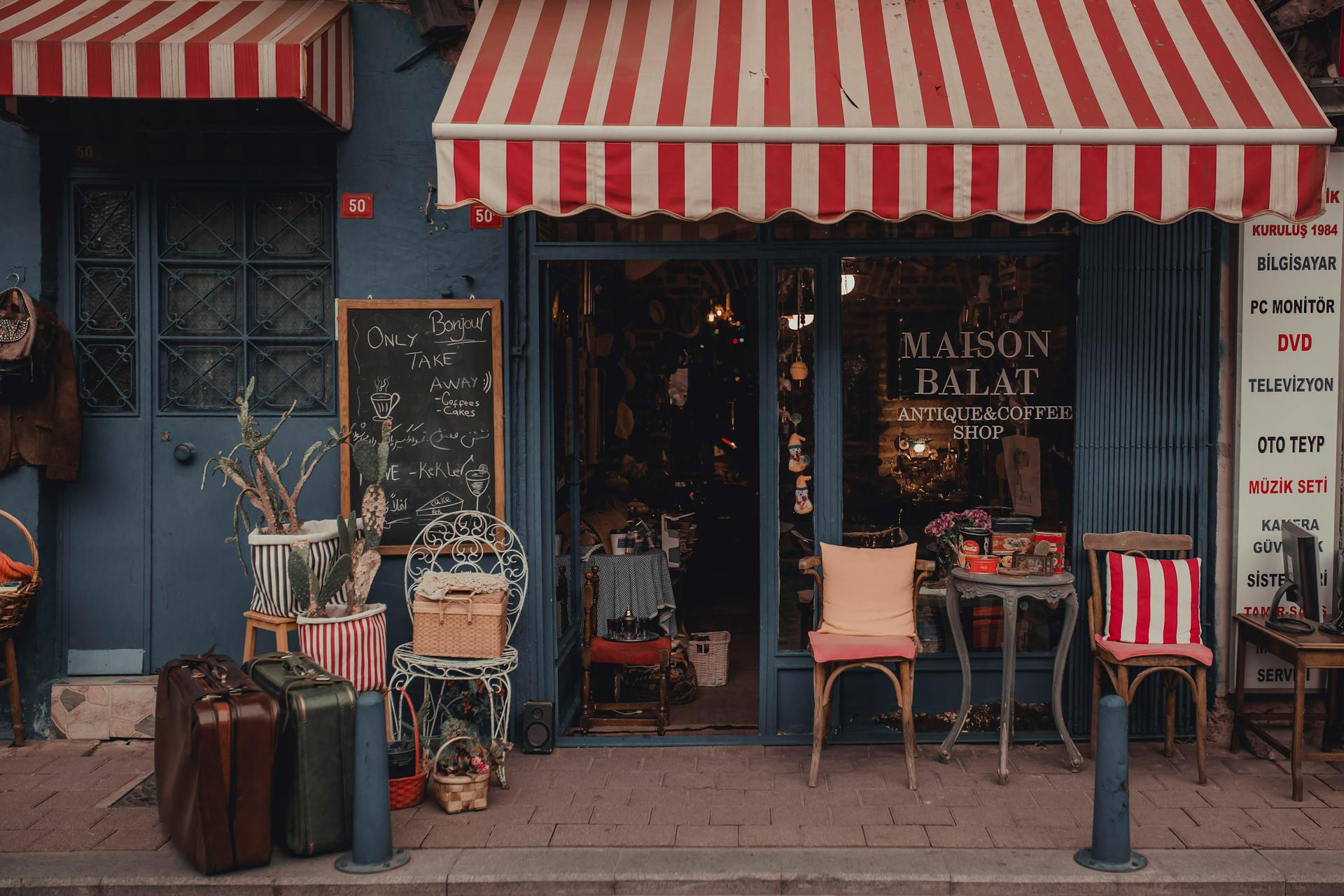
While shopping online is getting bigger, if you go to any shopping street on a weekend (or even just a nice sunny day!), you’re going to find hustle and bustle. People still love to get out and shop, and honestly, just having a physical space to sell your wares is still one of the greatest ways to do some offline marketing.
But with that said, it’s important to understand that, just like how it was before the internet became prevalent, you can’t just choose a space to rent and then magically expect it to work out. There’s a lot of work that goes into it; even if you’re planning on renting this space, you still can’t choose just any space. Here’s what you need to know as a new business owner if you’re looking for the perfect location for your upcoming retail business.
The Location is Everything
As mentioned above, you’re going to have to put a lot of emphasis on this space! On most weekends and weekdays, shopping streets and the high streets are usually slammed with people shopping and browsing. This is going to be one of the best locations you can choose.
So go ahead and consider factors such as foot traffic, nearby amenities, competition, parking availability, and proximity to public transportation hubs. But overall, a prime location can attract more customers and drive sales, so prioritize finding a space that offers maximum exposure and convenience.
Photo by Huỳnh Đạt
The Leasing Terms and Cost
Generally speaking, the process of renting a commercial space is different than that of renting out a residential space. There are some more things you’ll need to know, like what is a Heads of Agreement, if you’ll need a legal party to assist you, and more. In general, the process is different, but it’s not just that, the cost and the leasing terms are not going to be the same either.
You’ll have to evaluate factors such as lease duration, rent escalation clauses, security deposits, utilities, maintenance fees, and any additional charges or hidden costs. While there are more strings attached, there is a bright side to this: It’s usually a bit easier to negotiate rent pricing (not much of a thing for residential rent). So you might be able to negotiate a cheaper price, but make sure everything is legally binding.
Photo by Timothy Paule II
Consider Zoning and Regulations
Alright, so this is something that a lot of people just don’t learn about until it’s too late. When you’re renting a space for your business, even if it’s a store, you’ll need to consider the zoning laws and the regulations that these may have. There might be restrictions or requirements regarding signage, operating hours, or even noise level.
You wouldn’t want any issues happening down the line either, so you’ll need to look into that, too. When it comes to this, you might not get too much info online, so instead, you can look into your local zoning professionals and authorities to ask about this (landlords might not be transparent with the truth, which is why you want to ask a third party).


While shopping online is getting bigger, if you go to any shopping street on a weekend (or even just a nice sunny day!), you’re going to find hustle and bustle. People still love to get out and shop, and honestly, just having a physical space to sell your wares is still one of the greatest ways to do some offline marketing.
But with that said, it’s important to understand that, just like how it was before the internet became prevalent, you can’t just choose a space to rent and then magically expect it to work out. There’s a lot of work that goes into it; even if you’re planning on renting this space, you still can’t choose just any space. Here’s what you need to know as a new business owner if you’re looking for the perfect location for your upcoming retail business.
The Location is Everything
As mentioned above, you’re going to have to put a lot of emphasis on this space! On most weekends and weekdays, shopping streets and the high streets are usually slammed with people shopping and browsing. This is going to be one of the best locations you can choose.
So go ahead and consider factors such as foot traffic, nearby amenities, competition, parking availability, and proximity to public transportation hubs. But overall, a prime location can attract more customers and drive sales, so prioritize finding a space that offers maximum exposure and convenience.
The Leasing Terms and Cost
Generally speaking, the process of renting a commercial space is different than that of renting out a residential space. There are some more things you’ll need to know, like what is a Heads of Agreement, if you’ll need a legal party to assist you, and more. In general, the process is different, but it’s not just that, the cost and the leasing terms are not going to be the same either.
You’ll have to evaluate factors such as lease duration, rent escalation clauses, security deposits, utilities, maintenance fees, and any additional charges or hidden costs. While there are more strings attached, there is a bright side to this: It’s usually a bit easier to negotiate rent pricing (not much of a thing for residential rent). So you might be able to negotiate a cheaper price, but make sure everything is legally binding.
Consider Zoning and Regulations
Alright, so this is something that a lot of people just don’t learn about until it’s too late. When you’re renting a space for your business, even if it’s a store, you’ll need to consider the zoning laws and the regulations that these may have. There might be restrictions or requirements regarding signage, operating hours, or even noise level.
You wouldn’t want any issues happening down the line either, so you’ll need to look into that, too. When it comes to this, you might not get too much info online, so instead, you can look into your local zoning professionals and authorities to ask about this (landlords might not be transparent with the truth, which is why you want to ask a third party).
Share this:
Like this: