We’ve all seen those jaw-dropping photos that seem very immaculate, right?
If you still can’t imagine what we’re talking about, then think of the breathtaking vacation shots with crystal-clear skies, perfectly balanced lighting, and that soft, dreamy blur in the background. These images look like they were pulled straight from a travel documentary or a high-budget film.
Yet somehow, when we try to recreate them, the results feel a bit flat and ordinary. So, what’s the secret behind them? Is it expensive gear that they use or a professional photographer hiding behind the scenes? Or is there something else at play?
The answer might surprise you. Those stunning, cinematic vacation photos often come down to mastering a few simple techniques and using the proper tools at the right time. To know more, dive into the article!
Master the Light
One thing all cinematic images have in common is beautiful lighting. Professionals know how to work with the light they have or modify it to their advantage.
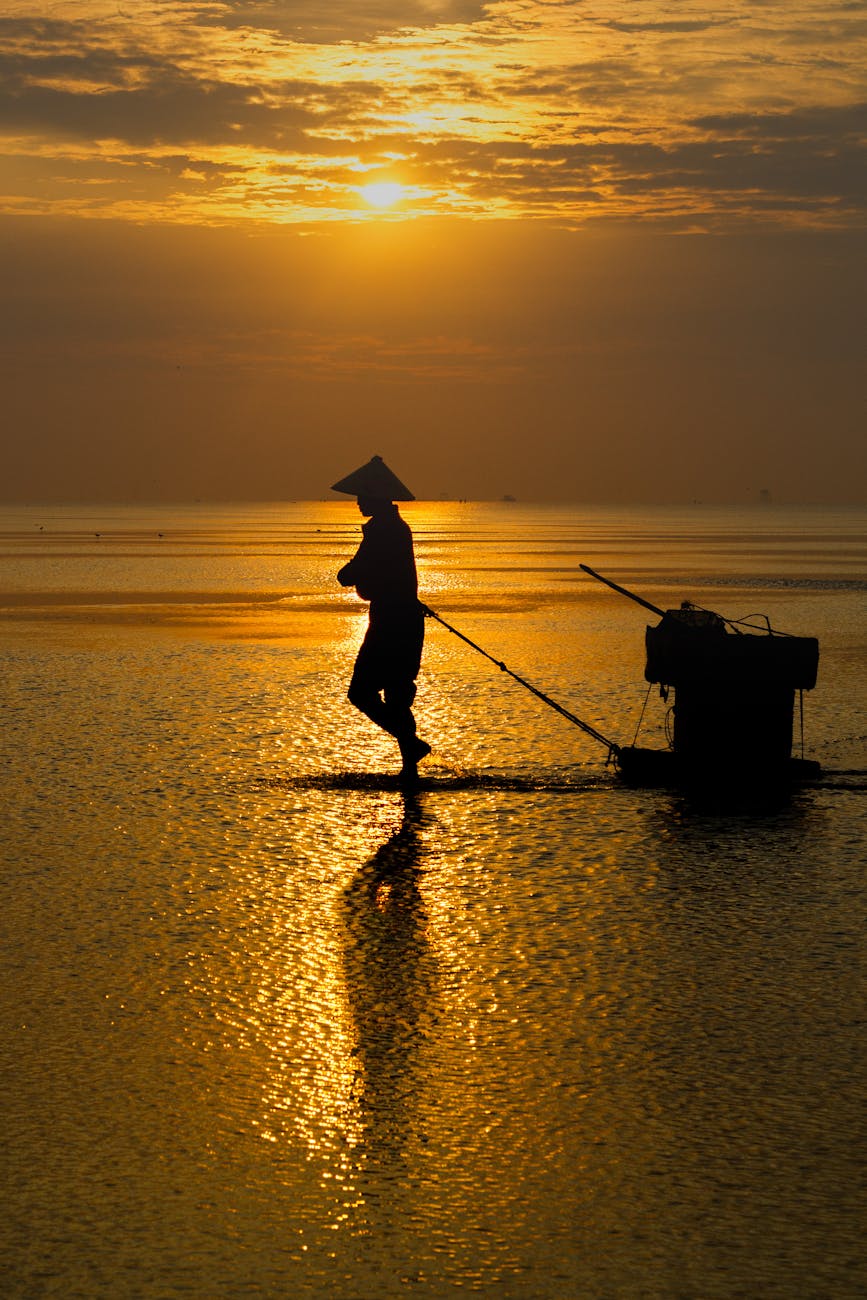
They make the most use of the golden hour. This is a magical time, just after sunrise or before sunset, that naturally casts a warm glow that makes everything look better. Shooting during this time instantly softens harsh shadows and highlights the details that often get lost under midday sun.
But what if you’re out exploring in the middle of the day? That’s when controlling the light becomes a real skill.
Enter the ND Filter
This is where many photographers turn to a not-so-secret weapon—ND filters. This is short for neutral density filters. These simple pieces of gear control how much light enters your camera without affecting the colors or sharpness of your image.
Think of them like sunglasses for your camera. The premium quality ND filters help you shoot with wider apertures and slower shutter speeds even in bright sunlight. This allows for that creamy background blur, which is also known as bokeh. They give you silky-smooth motion effects, like flowing waterfalls or soft, moving clouds.
The best part is that you can get these filters easily from reputable online suppliers. This makes it convenient for you, ultimately.
Create Motion
Vacation spots are often full of movement. You will encounter bustling streets, busy markets, rushing waterfalls, and crowded beaches. While most people try to avoid this, cinematic photographers use it to their advantage.
With an ND filter and a slower shutter speed, you can turn fast-moving scenes into beautifully smooth, dynamic compositions. This way, the crowds turn into soft motion blurs. Even a breezy day becomes a creative opportunity as tree leaves blur gently against a still background. It’s this thin line between motion and stillness that makes a photo feel alive and cinematic.
Photo by Jacob Colvin
Perfect Your Composition
Even the best camera won’t fix a poorly framed photo. So, take a moment to think about what you want to show and how to guide the viewer’s eye. Look for natural lines—like roads, fences, or shorelines—that lead into the scene. Try using the rule of thirds to keep things balanced and interesting.
And don’t be afraid to change your perspective. Get down low or shoot from above. A simple change in angle can turn an ordinary scene into something much more eye-catching.
Photo by Kaique Rocha
Don’t Forget the Details
Cinematic vacation photography isn’t just about big, sweeping landscapes. It’s also about the small moments. These might include:
So, just zoom in and focus on these fine details. They add emotional weight and richness to your travel story.
Give a Final Touch
Even the most perfectly composed and well-lit shots can benefit from a bit of post-processing. You can do simple adjustments to contrast, saturation, and sharpness. This can make colors pop and the details of the images stand out.
For that cinematic finish, you can consider gently adjusting the highlights and shadows to create a more balanced, film-like tone. But remember—less is often more. Over-editing can strip away the natural beauty of the scene you worked so hard to capture.
Photo by Keegan Checks
To Sum It All Up!
Cinematic photography isn’t about perfection. Instead, it is more about storytelling. It captures the feeling of a place, the movement of time, and the beauty in both grand landscapes and quiet moments.
So, next time you’re on vacation, look beyond the obvious. Play with light, embrace movement, and use tools to transform ordinary scenes into extraordinary memories. Because at the end of the day, the real secret behind those cinematic photos isn’t hidden behind expensive gear or advanced techniques. It lies in your skills.


We’ve all seen those jaw-dropping photos that seem very immaculate, right?
If you still can’t imagine what we’re talking about, then think of the breathtaking vacation shots with crystal-clear skies, perfectly balanced lighting, and that soft, dreamy blur in the background. These images look like they were pulled straight from a travel documentary or a high-budget film.
Yet somehow, when we try to recreate them, the results feel a bit flat and ordinary. So, what’s the secret behind them? Is it expensive gear that they use or a professional photographer hiding behind the scenes? Or is there something else at play?
The answer might surprise you. Those stunning, cinematic vacation photos often come down to mastering a few simple techniques and using the proper tools at the right time. To know more, dive into the article!
Master the Light
One thing all cinematic images have in common is beautiful lighting. Professionals know how to work with the light they have or modify it to their advantage.
They make the most use of the golden hour. This is a magical time, just after sunrise or before sunset, that naturally casts a warm glow that makes everything look better. Shooting during this time instantly softens harsh shadows and highlights the details that often get lost under midday sun.
But what if you’re out exploring in the middle of the day? That’s when controlling the light becomes a real skill.
Enter the ND Filter
This is where many photographers turn to a not-so-secret weapon—ND filters. This is short for neutral density filters. These simple pieces of gear control how much light enters your camera without affecting the colors or sharpness of your image.
Think of them like sunglasses for your camera. The premium quality ND filters help you shoot with wider apertures and slower shutter speeds even in bright sunlight. This allows for that creamy background blur, which is also known as bokeh. They give you silky-smooth motion effects, like flowing waterfalls or soft, moving clouds.
The best part is that you can get these filters easily from reputable online suppliers. This makes it convenient for you, ultimately.
Create Motion
Vacation spots are often full of movement. You will encounter bustling streets, busy markets, rushing waterfalls, and crowded beaches. While most people try to avoid this, cinematic photographers use it to their advantage.
With an ND filter and a slower shutter speed, you can turn fast-moving scenes into beautifully smooth, dynamic compositions. This way, the crowds turn into soft motion blurs. Even a breezy day becomes a creative opportunity as tree leaves blur gently against a still background. It’s this thin line between motion and stillness that makes a photo feel alive and cinematic.
Perfect Your Composition
Even the best camera won’t fix a poorly framed photo. So, take a moment to think about what you want to show and how to guide the viewer’s eye. Look for natural lines—like roads, fences, or shorelines—that lead into the scene. Try using the rule of thirds to keep things balanced and interesting.
And don’t be afraid to change your perspective. Get down low or shoot from above. A simple change in angle can turn an ordinary scene into something much more eye-catching.
Don’t Forget the Details
Cinematic vacation photography isn’t just about big, sweeping landscapes. It’s also about the small moments. These might include:
So, just zoom in and focus on these fine details. They add emotional weight and richness to your travel story.
Give a Final Touch
Even the most perfectly composed and well-lit shots can benefit from a bit of post-processing. You can do simple adjustments to contrast, saturation, and sharpness. This can make colors pop and the details of the images stand out.
For that cinematic finish, you can consider gently adjusting the highlights and shadows to create a more balanced, film-like tone. But remember—less is often more. Over-editing can strip away the natural beauty of the scene you worked so hard to capture.
To Sum It All Up!
Cinematic photography isn’t about perfection. Instead, it is more about storytelling. It captures the feeling of a place, the movement of time, and the beauty in both grand landscapes and quiet moments.
So, next time you’re on vacation, look beyond the obvious. Play with light, embrace movement, and use tools to transform ordinary scenes into extraordinary memories. Because at the end of the day, the real secret behind those cinematic photos isn’t hidden behind expensive gear or advanced techniques. It lies in your skills.
Share this:
Like this: