Selecting the correct chainsaw file is critical for maintaining your chainsaw’s performance, whether you are a professional logger or a DIY enthusiast. The variety and types of chainsaw files available can be daunting, but understanding the nuances of each type is key to achieving a sharp and efficient cutting edge. Professional loggers often demand files that withstand rigorous, daily use and produce precise results. Meanwhile, home users might look towards a balance of effectiveness and value, prioritising ease of use for occasional maintenance tasks.
Proper chainsaw maintenance using the best chainsaw file ensures peak performance and extends the life of the equipment. Factors such as the pitch of the chain and the hardness of the wood being cut influence the choice of the file. Professionals and homeowners alike have access to a wide range of quality sharpening tools and chainsaw files in Australia, ones that are designed to suit the various specifications of different chainsaws. This availability contrasts with the U.S., where such tools might be more standardized and less varied. Regular and effective sharpening routines are crucial, as they keep the chainsaw in top working order and enhance user safety by reducing the likelihood of kickback from a dull chain. A regular and effective sharpening routine not only keeps your chainsaw in top working order but also safeguards the user by reducing the likelihood of kickback due to a dull chain.
Key Takeaways
Selecting the right file is essential for optimal chainsaw performance.
Maintenance preferences vary between professional and home use.
Access to a variety of chainsaw files caters to different maintenance needs.
Understanding Chainsaw Files and Their Applications
Chainsaw files are essential tools for maintaining the cutting efficiency of a chainsaw’s chain. This section outlines the various file types, their maintenance, and the selection process for both professional and home use.
Identifying the Right File Size and Type
The correct file size and type are paramount for effective chainsaw sharpening. File size must match the chain pitch. Files come in two main types: single cut for fine sharpening and double cut for more aggressive material removal.
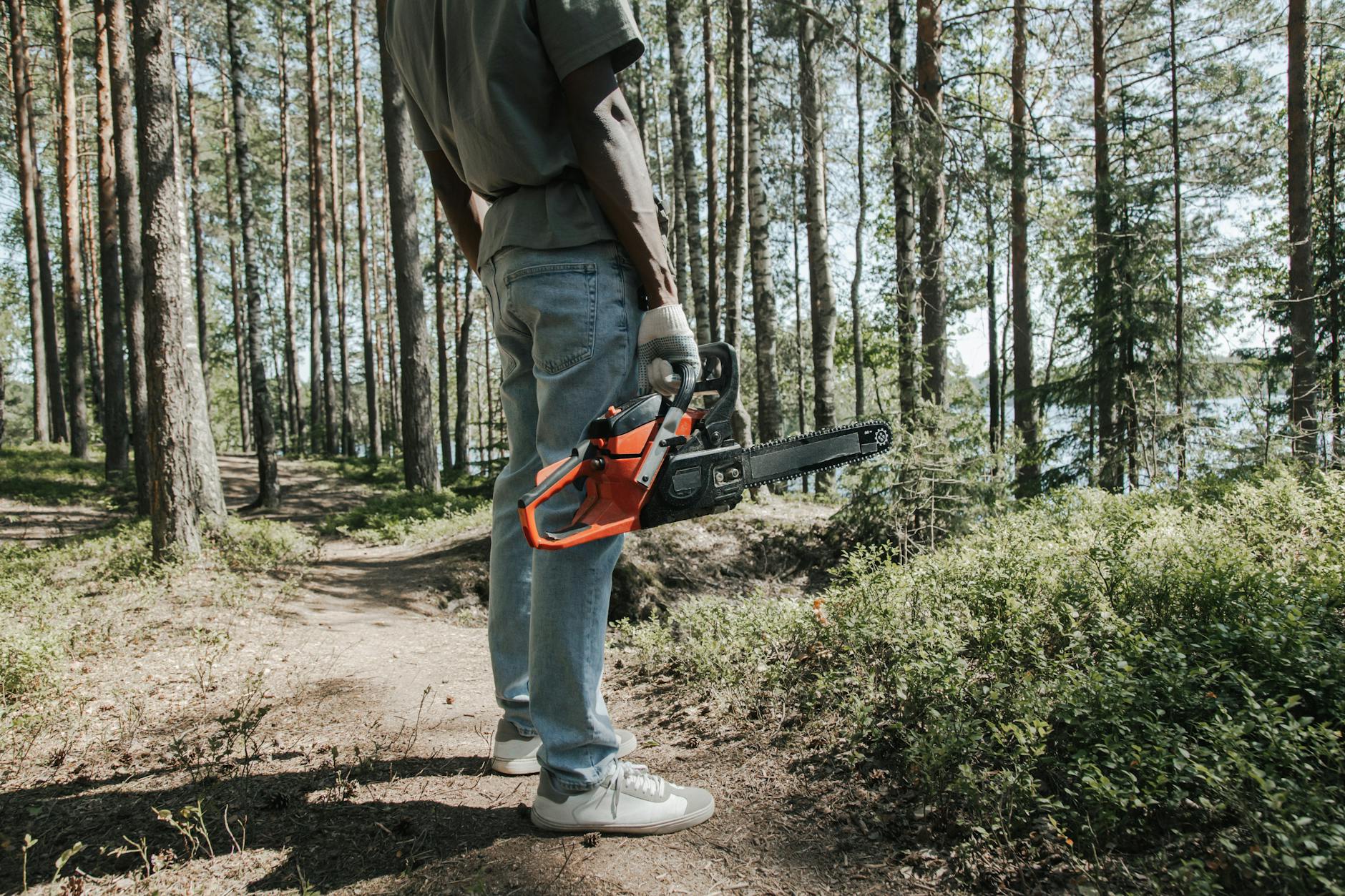
Photo by Ron Lach
The Importance of Maintenance for Chain Longevity
Regular maintenance of a chainsaw’s chain is critical for its longevity. A sharp chain cuts efficiently, reducing wear and tear, while a dull chain can cause a dangerous kickback. Proper use of a chainsaw sharpener file kit can maintain a chain in good condition and extend its lifespan.
Accessories for Enhanced Sharpening Precision
Accessories like the chainsaw file guide, file holder, and depth gauges are integral for precision. They assist in maintaining the correct sharpening angle and depth gauge distance, factors crucial for accuracy and the safety of the user.
Common Queries About Chainsaw File Usage
Frequent enquiries often involve tips for selecting the right file size and type, differences between round files and flat files, and the pros and cons of manual versus automated sharpening. Guides from manufacturers and expert forums are beneficial for both the beginner and the seasoned professional.
By understanding the specifics of chainsaw files and their proper applications, users can ensure optimal performance and safety when operating chainsaws, whether for professional use or at home.
In selecting the right chainsaw sharpener, whether for professional or home use, it is crucial to consider the sharpening chainsaw chain options available on the market. The cutting efficiency is significantly enhanced when one uses a sharpener that’s best suited to their specific needs—be it a simple file for occasional touch-ups at home or a more robust chainsaw chain sharpener for frequent, professional use. Workshops may require a durable and precise sharpener, while casual users might favour ease of use and simple functionality. This comprehensive guide should have provided clarity in choosing the appropriate tool to maintain the sharpness and efficiency of chainsaw chains, ensuring safe and effective operation across all types of use.


Selecting the correct chainsaw file is critical for maintaining your chainsaw’s performance, whether you are a professional logger or a DIY enthusiast. The variety and types of chainsaw files available can be daunting, but understanding the nuances of each type is key to achieving a sharp and efficient cutting edge. Professional loggers often demand files that withstand rigorous, daily use and produce precise results. Meanwhile, home users might look towards a balance of effectiveness and value, prioritising ease of use for occasional maintenance tasks.
Proper chainsaw maintenance using the best chainsaw file ensures peak performance and extends the life of the equipment. Factors such as the pitch of the chain and the hardness of the wood being cut influence the choice of the file. Professionals and homeowners alike have access to a wide range of quality sharpening tools and chainsaw files in Australia, ones that are designed to suit the various specifications of different chainsaws. This availability contrasts with the U.S., where such tools might be more standardized and less varied. Regular and effective sharpening routines are crucial, as they keep the chainsaw in top working order and enhance user safety by reducing the likelihood of kickback from a dull chain. A regular and effective sharpening routine not only keeps your chainsaw in top working order but also safeguards the user by reducing the likelihood of kickback due to a dull chain.
Key Takeaways
Understanding Chainsaw Files and Their Applications
Chainsaw files are essential tools for maintaining the cutting efficiency of a chainsaw’s chain. This section outlines the various file types, their maintenance, and the selection process for both professional and home use.
Identifying the Right File Size and Type
The correct file size and type are paramount for effective chainsaw sharpening. File size must match the chain pitch. Files come in two main types: single cut for fine sharpening and double cut for more aggressive material removal.
The Importance of Maintenance for Chain Longevity
Regular maintenance of a chainsaw’s chain is critical for its longevity. A sharp chain cuts efficiently, reducing wear and tear, while a dull chain can cause a dangerous kickback. Proper use of a chainsaw sharpener file kit can maintain a chain in good condition and extend its lifespan.
Accessories for Enhanced Sharpening Precision
Accessories like the chainsaw file guide, file holder, and depth gauges are integral for precision. They assist in maintaining the correct sharpening angle and depth gauge distance, factors crucial for accuracy and the safety of the user.
Common Queries About Chainsaw File Usage
Frequent enquiries often involve tips for selecting the right file size and type, differences between round files and flat files, and the pros and cons of manual versus automated sharpening. Guides from manufacturers and expert forums are beneficial for both the beginner and the seasoned professional.
By understanding the specifics of chainsaw files and their proper applications, users can ensure optimal performance and safety when operating chainsaws, whether for professional use or at home.
In selecting the right chainsaw sharpener, whether for professional or home use, it is crucial to consider the sharpening chainsaw chain options available on the market. The cutting efficiency is significantly enhanced when one uses a sharpener that’s best suited to their specific needs—be it a simple file for occasional touch-ups at home or a more robust chainsaw chain sharpener for frequent, professional use. Workshops may require a durable and precise sharpener, while casual users might favour ease of use and simple functionality. This comprehensive guide should have provided clarity in choosing the appropriate tool to maintain the sharpness and efficiency of chainsaw chains, ensuring safe and effective operation across all types of use.
Share this:
Like this: