Couples shopping for engagement rings abroad face financial and legal hazards that often surface only after returning home. A March 2024 incident reported by CTV News Toronto demonstrates these problems. An Ontario couple purchased what they thought was a $4,000 diamond ring from a Cancun jewelry store their tour guide recommended. The jeweler promised to send certification documents by email. No documents arrived, and a Canadian appraiser later confirmed the stone was worth $50. Their credit card company initially refunded the charge but reversed the decision after the merchant disputed it, leaving the couple responsible for the full amount.
Steven Knight from the Canadian Jewellers Association stated that buyers are gambling when they purchase jewelry abroad because they cannot verify what they receive. This assessment aligns with patterns seen across international tourist destinations where jewelry fraud occurs regularly.
Credit Card Protections Fail More Often Than Expected
Credit card dispute processes offer limited protection for international jewelry purchases. Banks frequently reverse initial refunds when foreign merchants provide documentation, even if that documentation fails to meet international standards. Tourists who lack concrete proof of fraud or who cannot produce certification documents and photographs rarely succeed in dispute cases. Local consumer laws in the seller’s country typically override the buyer’s home country protections.
The U.S. Federal Trade Commission reported scam losses reached $12.5 billion in 2024, an increase of $2.5 billion from 2023. Bank transfers accounted for $2 billion in losses during 2024. Purchase scams, including jewelry fraud, have become more sophisticated. Scammers now target tourists through online promotions, social media, and referrals from hotel concierges and tour guides. One in three scam victims loses money, compared to one in four in previous years.
Design Recognition Problems in Foreign Markets
Buyers struggle to verify stone quality and ring designs when shopping abroad. A tourist examining a pear shaped engagement ring in Bangkok cannot easily confirm if the center stone matches stated specifications, nor can they verify if side stones in halo or three-stone settings are genuine diamonds or synthetic alternatives. Local jewelers often lack equipment for proper testing.
Authentication becomes harder with complex designs. Vintage-style rings with milgrain detailing, Art Deco geometric patterns, or intricate filigree work require specific expertise to evaluate. Foreign shops rarely provide detailed breakdowns of metal purity in mixed-metal designs or accurate assessments of colored gemstones in alternative settings. Without proper documentation for each design element, buyers cannot prove authenticity to insurers or appraisers back home.
Insurance Companies Reject Claims Without Proper Documentation
Standard jewelry insurance policies require authentication from recognized authorities like GIA, AGS, or IGI. Policies exclude coverage for fraud, counterfeit items, or disputed transactions abroad when documentation is incomplete. Insurers reduce payout values or deny claims entirely for rings purchased overseas without proper certification.
Jewelers Mutual Insurance Company advises travelers to review policy details before buying expensive jewelry overseas. All receipts, certificates, and appraisals must meet international standards. Many tourists discover their insurance worthless only after filing a claim for a ring that turns out to be fake or overvalued.
The 2024 National Money Laundering Risk Assessment identifies jewelry and gem investment schemes as vehicles for money laundering. Criminal organizations use shell companies, virtual assets, and financial intermediaries in regions known for fraud. These networks move funds quickly through global accounts, making recovery nearly impossible.
Government travel advisories warn that jewelry scams involve organized groups using sophisticated tactics. Legal jurisdiction becomes ambiguous when crimes cross borders. Tourists have minimal recourse once they leave the country where the purchase occurred.
Fake Certification Documents and Worthless Guarantees
Jewelry shops abroad routinely promise certification documents that never materialize. Some provide forged certificates or meaningless paperwork not recognized by international gemological authorities. Countries with established jewelry markets may still lack oversight standards found in North America or Europe.
Tour guides and hotel staff often receive commissions for directing tourists to specific jewelry stores. These referrals create false trust. The Ontario couple’s case shows how tour guide recommendations led directly to fraud. Sellers exploit the romantic atmosphere and vacation mindset to pressure buyers into quick decisions.
Practical Steps for Safer Purchases
Buyers who insist on purchasing rings abroad should follow specific protocols. Research businesses through government travel advisory sites and official jewelry association resources before entering negotiations. Buy only from internationally recognized jewelers with transparent certification and verifiable reviews.
Request in-person validation of certification using portable diamond testers or arrange third-party appraisals at the location. Document every interaction by keeping receipts and taking photographs of items with documentation and store personnel. Store copies securely for insurance and dispute purposes. Pay with credit cards when possible but recognize the limitations of dispute processes abroad. Avoid wire transfers or direct bank payments entirely.
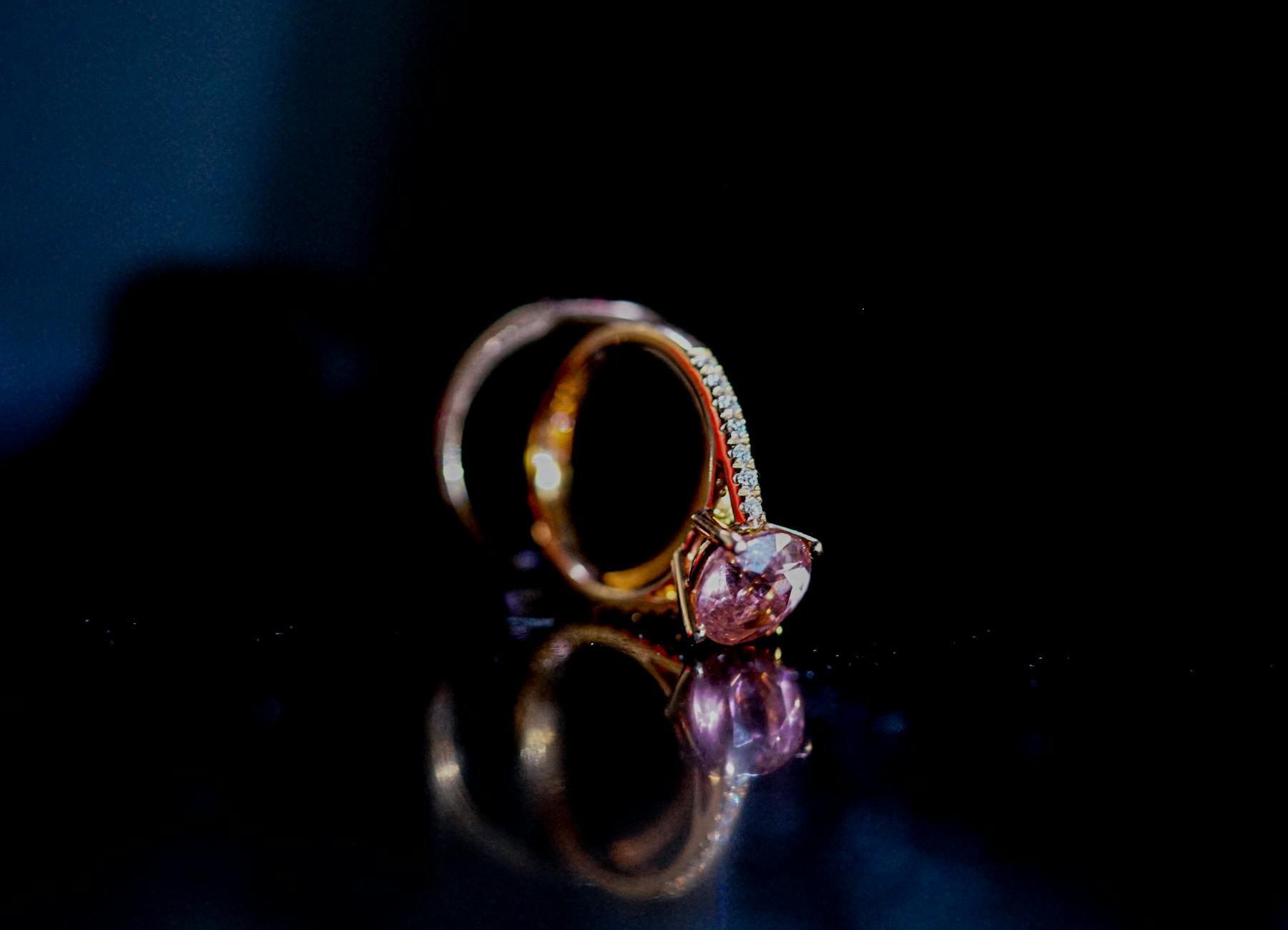
Photo by Anas Hinde
The Vacation Mindset Amplifies Risk
Emotional decision-making during romantic trips creates vulnerability to fraud. Couples swept up in vacation moods make purchases they would scrutinize at home. Hard-sell tactics and deep discounts signal risk, yet tourists often interpret these as opportunities.
The US Postal Inspection Service reported a 2024 scam involving unsolicited diamond rings arriving in luxury packaging. These brushing scams steal consumer identities or encourage contact with fraudulent sellers offering expensive upgrades. Such incidents show how easily international jewelry fraud occurs when buyers are unfamiliar with local markets or under pressure during emotionally charged vacations.
Research local consumer laws and government warnings about jewelry scams before traveling. Assume any unusually low price indicates problems. The Canadian Jewellers Association and consumer protection agencies emphasize slowing down purchase decisions and refusing spur-of-the-moment buying. Only established brands with transparent operations and full documentation offer security. Standard prices, not special deals, indicate legitimate sellers. Romantic excitement combined with unfamiliar jewelry markets creates conditions where couples lose money frequently, rarely recover losses, and face serious challenges with insurance and dispute processes afterward.


The Reality of Foreign Jewelry Purchases
Couples shopping for engagement rings abroad face financial and legal hazards that often surface only after returning home. A March 2024 incident reported by CTV News Toronto demonstrates these problems. An Ontario couple purchased what they thought was a $4,000 diamond ring from a Cancun jewelry store their tour guide recommended. The jeweler promised to send certification documents by email. No documents arrived, and a Canadian appraiser later confirmed the stone was worth $50. Their credit card company initially refunded the charge but reversed the decision after the merchant disputed it, leaving the couple responsible for the full amount.
Steven Knight from the Canadian Jewellers Association stated that buyers are gambling when they purchase jewelry abroad because they cannot verify what they receive. This assessment aligns with patterns seen across international tourist destinations where jewelry fraud occurs regularly.
Credit Card Protections Fail More Often Than Expected
Credit card dispute processes offer limited protection for international jewelry purchases. Banks frequently reverse initial refunds when foreign merchants provide documentation, even if that documentation fails to meet international standards. Tourists who lack concrete proof of fraud or who cannot produce certification documents and photographs rarely succeed in dispute cases. Local consumer laws in the seller’s country typically override the buyer’s home country protections.
The U.S. Federal Trade Commission reported scam losses reached $12.5 billion in 2024, an increase of $2.5 billion from 2023. Bank transfers accounted for $2 billion in losses during 2024. Purchase scams, including jewelry fraud, have become more sophisticated. Scammers now target tourists through online promotions, social media, and referrals from hotel concierges and tour guides. One in three scam victims loses money, compared to one in four in previous years.
Design Recognition Problems in Foreign Markets
Buyers struggle to verify stone quality and ring designs when shopping abroad. A tourist examining a pear shaped engagement ring in Bangkok cannot easily confirm if the center stone matches stated specifications, nor can they verify if side stones in halo or three-stone settings are genuine diamonds or synthetic alternatives. Local jewelers often lack equipment for proper testing.
Authentication becomes harder with complex designs. Vintage-style rings with milgrain detailing, Art Deco geometric patterns, or intricate filigree work require specific expertise to evaluate. Foreign shops rarely provide detailed breakdowns of metal purity in mixed-metal designs or accurate assessments of colored gemstones in alternative settings. Without proper documentation for each design element, buyers cannot prove authenticity to insurers or appraisers back home.
Insurance Companies Reject Claims Without Proper Documentation
Standard jewelry insurance policies require authentication from recognized authorities like GIA, AGS, or IGI. Policies exclude coverage for fraud, counterfeit items, or disputed transactions abroad when documentation is incomplete. Insurers reduce payout values or deny claims entirely for rings purchased overseas without proper certification.
Jewelers Mutual Insurance Company advises travelers to review policy details before buying expensive jewelry overseas. All receipts, certificates, and appraisals must meet international standards. Many tourists discover their insurance worthless only after filing a claim for a ring that turns out to be fake or overvalued.
Criminal Networks Behind Tourist-Targeted Jewelry Fraud
The 2024 National Money Laundering Risk Assessment identifies jewelry and gem investment schemes as vehicles for money laundering. Criminal organizations use shell companies, virtual assets, and financial intermediaries in regions known for fraud. These networks move funds quickly through global accounts, making recovery nearly impossible.
Government travel advisories warn that jewelry scams involve organized groups using sophisticated tactics. Legal jurisdiction becomes ambiguous when crimes cross borders. Tourists have minimal recourse once they leave the country where the purchase occurred.
Fake Certification Documents and Worthless Guarantees
Jewelry shops abroad routinely promise certification documents that never materialize. Some provide forged certificates or meaningless paperwork not recognized by international gemological authorities. Countries with established jewelry markets may still lack oversight standards found in North America or Europe.
Tour guides and hotel staff often receive commissions for directing tourists to specific jewelry stores. These referrals create false trust. The Ontario couple’s case shows how tour guide recommendations led directly to fraud. Sellers exploit the romantic atmosphere and vacation mindset to pressure buyers into quick decisions.
Practical Steps for Safer Purchases
Buyers who insist on purchasing rings abroad should follow specific protocols. Research businesses through government travel advisory sites and official jewelry association resources before entering negotiations. Buy only from internationally recognized jewelers with transparent certification and verifiable reviews.
Request in-person validation of certification using portable diamond testers or arrange third-party appraisals at the location. Document every interaction by keeping receipts and taking photographs of items with documentation and store personnel. Store copies securely for insurance and dispute purposes. Pay with credit cards when possible but recognize the limitations of dispute processes abroad. Avoid wire transfers or direct bank payments entirely.
The Vacation Mindset Amplifies Risk
Emotional decision-making during romantic trips creates vulnerability to fraud. Couples swept up in vacation moods make purchases they would scrutinize at home. Hard-sell tactics and deep discounts signal risk, yet tourists often interpret these as opportunities.
The US Postal Inspection Service reported a 2024 scam involving unsolicited diamond rings arriving in luxury packaging. These brushing scams steal consumer identities or encourage contact with fraudulent sellers offering expensive upgrades. Such incidents show how easily international jewelry fraud occurs when buyers are unfamiliar with local markets or under pressure during emotionally charged vacations.
Research local consumer laws and government warnings about jewelry scams before traveling. Assume any unusually low price indicates problems. The Canadian Jewellers Association and consumer protection agencies emphasize slowing down purchase decisions and refusing spur-of-the-moment buying. Only established brands with transparent operations and full documentation offer security. Standard prices, not special deals, indicate legitimate sellers. Romantic excitement combined with unfamiliar jewelry markets creates conditions where couples lose money frequently, rarely recover losses, and face serious challenges with insurance and dispute processes afterward.
Share this:
Like this: