In today’s global market, it is easier than ever to access a plethora of food options sourced from all over the world. Yet, making informed choices about where your food comes from can significantly impact not only your health but also the environment. Opting for local produce over imported foods has numerous advantages, ranging from nutritional benefits to ecological impacts.
Avoiding the Pitfalls of Long-Distance Shipping
Transporting food across long distances involves significant logistical efforts. According to Food Circle, an astounding 20 million shipping containers cross our oceans annually, facilitating the global distribution of goods, including food. These containers can take weeks, if not months, to reach their final destinations, during which time the food inside may deplete in quality.
To preserve the so-called freshness of imported produce, various preservatives and chemicals are often used. These additives can diminish the natural nutritional value of foods, making them less beneficial to our overall health. The prolonged transit times also necessitate the consumption of additional fossil fuels, contributing to increased carbon emissions and subsequent environmental harm.
Contrastingly, choosing local produce means reducing the distance food travels from farm to table. This not only ensures that the produce is fresher and more nutrient-rich, but it also lessens the ecological footprint of your diet. In the age of climate change awareness, reducing the environmental impact of our food choices is an actionable step we can take towards sustainability.
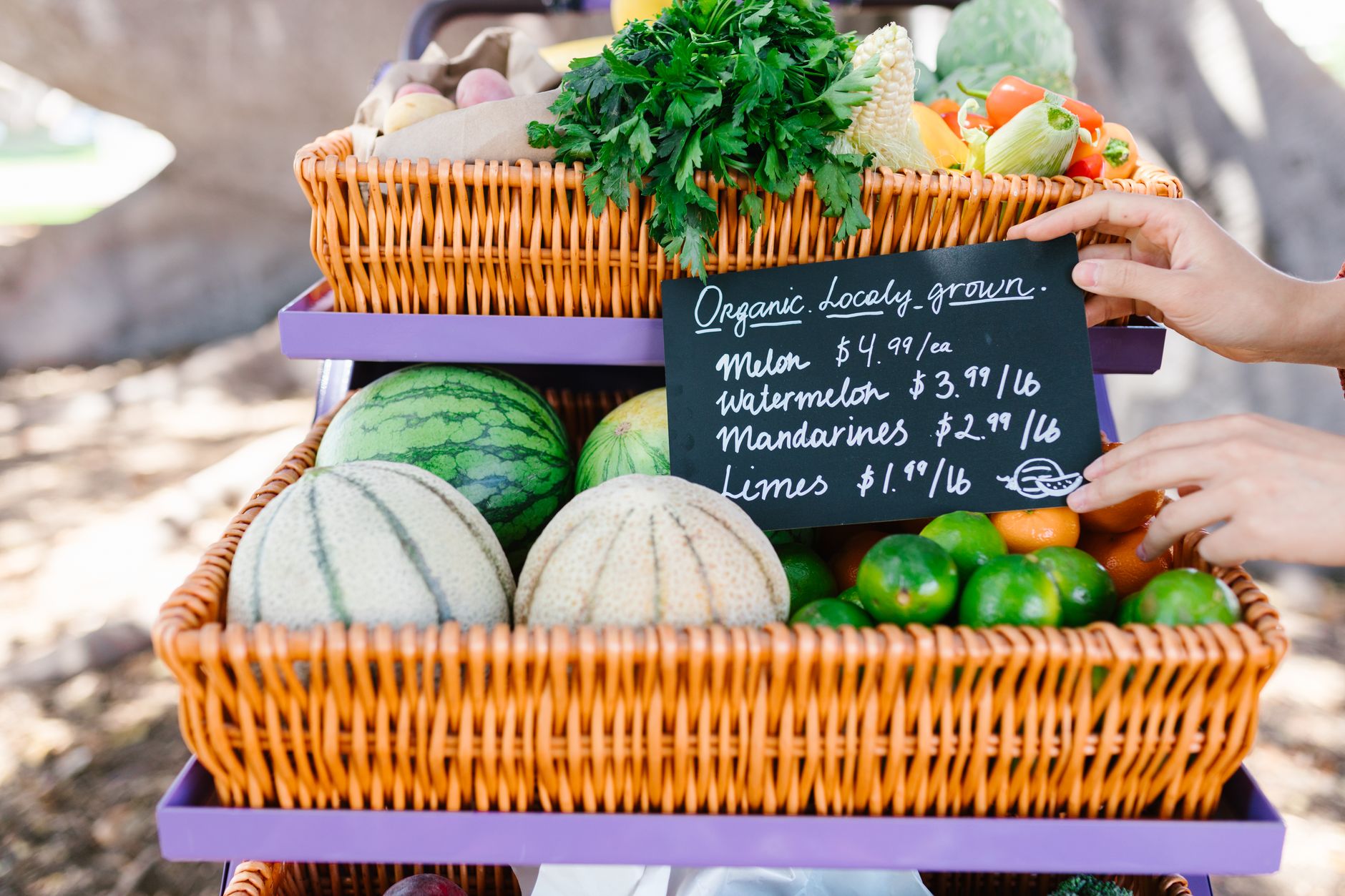
Photo by Alesia Kozik
The Imperative of Real, Fresh, Local Produce
The nourishment of our bodies, especially our brains, depends on the quality of the food we consume. According to the World Food Program, a substantial 20% of our daily caloric intake powers our minds. Prioritizing real, fresh, local produce feeds not only our appetite but our brain health, providing essential nutrients needed for optimal cognitive functioning.
Local produce is typically harvested at peak ripeness, meaning it is allowed to develop its full nutritional profile in comparison to imported foods that might be picked prematurely. This includes a balance of vitamins, antioxidants, and minerals absent from chemically preserved goods. Moreover, the fresher the produce, the better its taste and textural qualities, making it an overall more enjoyable dining experience.
By supporting local agriculture, you contribute to sustaining the health of your community’s economy. Purchasing local produce empowers small farmers and encourages better farming practices that are more attuned to environmental conservation. This local investment creates a cycle of benefits that include revitalizing local landscapes, decreasing food miles, and ensuring that farmlands are used for continued food production.
The Hidden Risks of Imported Food Systems
The importation of food not only depends on the shipping containers that cross our oceans but also grapples with systemic risks. On average, approximately 675 shipping containers are lost at sea annually, resulting in wasted resources and potential environmental hazards. These losses highlight the vulnerabilities of relying on international trade to stock our grocery shelves.
The journey of food through such vast networks can expose it to harmful conditions, impacting food safety and quality. Temperature fluctuations, improperly sealed containers, and delays in transit can all contribute to deteriorating food quality. Such risks are mitigated when choosing local options, where supply chains are shorter and more easily regulated.
Embracing local produce aligns with practices that safeguard food integrity. Locally grown food is less likely to encounter the challenges imported foods face, ensuring safer, higher-quality nourishment. In a world where health consciousness is on the rise, leaning towards local is a step towards ensuring our diets align with our wellness goals.
In conclusion, opting for local produce over imported foods allows individuals to make food choices that are not only health-conscious but also environmentally responsible. From reducing carbon footprints and supporting local economies to ensuring fresh, nutrient-rich meals, the benefits are clear. By prioritizing local foods, you contribute to a system that values health, sustainability, and local agricultural prosperity.


In today’s global market, it is easier than ever to access a plethora of food options sourced from all over the world. Yet, making informed choices about where your food comes from can significantly impact not only your health but also the environment. Opting for local produce over imported foods has numerous advantages, ranging from nutritional benefits to ecological impacts.
Avoiding the Pitfalls of Long-Distance Shipping
Transporting food across long distances involves significant logistical efforts. According to Food Circle, an astounding 20 million shipping containers cross our oceans annually, facilitating the global distribution of goods, including food. These containers can take weeks, if not months, to reach their final destinations, during which time the food inside may deplete in quality.
To preserve the so-called freshness of imported produce, various preservatives and chemicals are often used. These additives can diminish the natural nutritional value of foods, making them less beneficial to our overall health. The prolonged transit times also necessitate the consumption of additional fossil fuels, contributing to increased carbon emissions and subsequent environmental harm.
Contrastingly, choosing local produce means reducing the distance food travels from farm to table. This not only ensures that the produce is fresher and more nutrient-rich, but it also lessens the ecological footprint of your diet. In the age of climate change awareness, reducing the environmental impact of our food choices is an actionable step we can take towards sustainability.
The Imperative of Real, Fresh, Local Produce
The nourishment of our bodies, especially our brains, depends on the quality of the food we consume. According to the World Food Program, a substantial 20% of our daily caloric intake powers our minds. Prioritizing real, fresh, local produce feeds not only our appetite but our brain health, providing essential nutrients needed for optimal cognitive functioning.
Local produce is typically harvested at peak ripeness, meaning it is allowed to develop its full nutritional profile in comparison to imported foods that might be picked prematurely. This includes a balance of vitamins, antioxidants, and minerals absent from chemically preserved goods. Moreover, the fresher the produce, the better its taste and textural qualities, making it an overall more enjoyable dining experience.
By supporting local agriculture, you contribute to sustaining the health of your community’s economy. Purchasing local produce empowers small farmers and encourages better farming practices that are more attuned to environmental conservation. This local investment creates a cycle of benefits that include revitalizing local landscapes, decreasing food miles, and ensuring that farmlands are used for continued food production.
The Hidden Risks of Imported Food Systems
The importation of food not only depends on the shipping containers that cross our oceans but also grapples with systemic risks. On average, approximately 675 shipping containers are lost at sea annually, resulting in wasted resources and potential environmental hazards. These losses highlight the vulnerabilities of relying on international trade to stock our grocery shelves.
The journey of food through such vast networks can expose it to harmful conditions, impacting food safety and quality. Temperature fluctuations, improperly sealed containers, and delays in transit can all contribute to deteriorating food quality. Such risks are mitigated when choosing local options, where supply chains are shorter and more easily regulated.
Embracing local produce aligns with practices that safeguard food integrity. Locally grown food is less likely to encounter the challenges imported foods face, ensuring safer, higher-quality nourishment. In a world where health consciousness is on the rise, leaning towards local is a step towards ensuring our diets align with our wellness goals.
In conclusion, opting for local produce over imported foods allows individuals to make food choices that are not only health-conscious but also environmentally responsible. From reducing carbon footprints and supporting local economies to ensuring fresh, nutrient-rich meals, the benefits are clear. By prioritizing local foods, you contribute to a system that values health, sustainability, and local agricultural prosperity.
Share this:
Like this: