There’s something about Wuthering Heights that lingers, not just in the heartache of its story, but in the raw, untamed landscape that becomes a character in its own right. The moors, the windswept hills, the stone farmhouses isolated against an endless sky… it is a setting that has inspired generations of readers, and now a new film adaptation starring Margot Robbie and Jacob Elordi has reinvigorated the romance of the Yorkshire landscape.
If you’ve ever wanted to stand where Heathcliff might have wandered or imagine Catherine bracing the wind across an open field, this guide takes you there. From the actual filming locations to the best nearby towns for food, walks, and photography, here’s how to explore the moors and valleys that make Wuthering Heights so unforgettable.
The Yorkshire Dales and Moors – Key Filming Locations
Both the Yorkshire Dales and the North York Moors sit in northern England, within easy reach of cities like York and Leeds. The Dales stretch across western North Yorkshire into Cumbria, while the North York Moors lie to the east, edging toward the coast and towns like Whitby. You can comfortably explore either by car, and in a longer trip, combine both in one itinerary. They are separate national parks with distinct terrain, but geographically they are close enough that many visitors see them together, especially when tracing filming locations linked to Wuthering Heights.
The Yorkshire Dales are defined by valleys. The word “dale” literally means valley, and that is the essence of the landscape. You will find rolling green hills divided by dry stone walls, limestone escarpments, waterfalls, and small farming villages built from honey coloured stone. It feels pastoral and lived in. There is a rhythm to the Dales, shaped by agriculture and centuries of rural life. Even when dramatic, the scenery feels grounded and textured rather than overwhelming. It is countryside you move through gently, following rivers and winding lanes.
The North York Moors, by contrast, feel open and exposed. Instead of enclosed valleys, you get vast stretches of upland heather moorland beneath wide skies. Trees are sparse, villages are fewer and further between, and the land feels shaped more by wind and weather than by farming boundaries. In late summer, the heather turns a deep purple, but even then the atmosphere carries a sense of solitude. This is the kind of landscape that feels emotionally charged, which is why it suits the brooding intensity of Wuthering Heights so well.
In simple terms, the Dales feel intimate and pastoral, while the Moors feel expansive and elemental. Visiting both gives you two very different versions of Yorkshire, and understanding that contrast adds real depth to any Wuthering Heights filming locations journey.
Where Wuthering Heights Was Filmed: Key Locations
Swaledale
Set within the northern reaches of the Yorkshire Dales, Swaledale was used to frame some of the film’s sweeping moorland sequences, its open hillsides and big skies giving visual weight to Catherine and Heathcliff’s early, untamed bond. Swaledale is one of the most northerly and least developed of the Dales, and that relative isolation is exactly what gives it its power on screen. The landscape feels expansive and quietly dramatic, with rolling fells, dry stone walls and long stretches of open pasture that seem to stretch endlessly toward the horizon.
For walkers and nature lovers, it offers a more rugged and authentic version of the Yorkshire countryside, one that feels less curated and more elemental. On screen, that rawness helps anchor the story in a real, physical place rather than a romanticised backdrop, reinforcing the sense that the landscape itself shapes the characters who move through it.
Surrender Bridge, Swaledale
Footage from the official trailer hints that Surrender Bridge may appear in the finished film, and if so, it is a fitting choice. Set high on the moor above Swaledale, this 18th century stone packhorse bridge sits in an exposed, windswept landscape with barely a tree in sight. The surrounding terrain feels stark and elemental, especially under shifting Yorkshire skies, which makes it visually striking on screen.
Its lonely position in the open moorland carries an emotional weight that aligns perfectly with the story’s themes. A bridge is, of course, a symbol of crossing, of movement between worlds, of departure and return. Framed against the emptiness of the moor, Surrender Bridge becomes more than just a scenic detail. It feels like a threshold, a quiet marker of separation and reunion. For visitors, it is a powerful stop on a Wuthering Heights filming locations journey, not just for the view, but for the atmosphere. Standing there, with the wind cutting across the hillside, you can understand why a filmmaker would choose it to capture that sense of isolation and inevitability.
Early glimpses of the film show a horse drawn carriage moving slowly through a narrow valley, the track curving gently along a bridleway as ruins rise from the hillside. In the distance, the tall chimney and crumbling stone structures are clearly visible, creating a stark industrial contrast against the surrounding countryside. In other shots, characters walk through the same landscape under a veil of mist, the atmosphere heavy and subdued.
Old Gand Lead Mines, Swaledale
This location is Old Gang Smelt Mill, part of the historic lead mining remains scattered across Swaledale within the Yorkshire Dales National Park. Dating back to the early nineteenth century, these ruins are remnants of Yorkshire’s once thriving lead industry. The exposed stonework and solitary chimney add a haunting quality to the landscape, grounding the film in a setting that feels both historically authentic and emotionally stark.
Bouldershaw Lane, Yorkshire Dales National Park
One of the earliest clips shows a striking scene filmed along Bouldershaw Lane, within the Yorkshire Dales National Park. Here, Robbie is seen crossing a wide, open field in a flowing white 80s inspired wedding gown and veil, bouquet in hand, the landscape stretching starkly around her. The location sits about a mile north of the Old Gang site, along the road that climbs toward Langthwaite and the moorland beyond. An old farm building in a private field was also used for filming. While visitors cannot enter the field itself, it is visible from the roadside and can be glimpsed if you are following the five and a half mile circular walk from Surrender Bridge through Old Gang and across Reeth High Moor.
Melbecks Moor
Additional scenes appear to have been filmed on Melbecks Moor, a remote stretch of high ground in upper Swaledale within the National Park. Early footage shows characters wandering across open moorland or sitting quietly while looking out over the valleys below, and this exposed landscape matches that stark, expansive feel. Upper Swaledale is also home to the famously isolated Tan Hill Inn, often described as Britain’s highest pub, which gives you an idea of just how elevated and windswept this area is.
Like much of Swaledale, Melbecks Moor carries visible traces of its lead mining past, with scattered ruins, old trackways and spoil heaps still marking the terrain. One of these derelict buildings was reportedly used during filming, with additional props and visual effects brought in to enhance the setting. Today, however, the area feels largely untouched, open moorland stretching for miles, and reaching the site involves a walk of more than five miles. That sense of distance and isolation is part of its power, both on screen and in person.
Sky Studios Elstree, Hertfordshire
Many interior scenes were said to be shot on set at Sky Studios Elstree in southern Hertfordshire. Designed to meet the growing demands of international film and television, the studios bring together 12 state of the art soundstages with modern production offices, adaptable workshop spaces, and a comprehensive range of on site facilities. Every element is built to support the full production journey, from early set build through to final wrap, in one streamlined and professional environment.
Image: Warner Bros
Exploring the Yorkshire Dales – Travel Guide
The Yorkshire Dales are a moody invitation to slow travel, quiet paths, stone barns, and endless open skies. This region combines the raw beauty of the moors with friendly towns, excellent food, and unforgettable walks.
Best Towns and Villages to Visit
Start in Hawes, the heart of the Dales and home to the famous Wensleydale Creamery. Beyond trying (and buying) world-class cheeses, wander the cobbled streets, visit local farm shops, and enjoy pubs serving hearty ales and local fare. Hawes is your perfect base for exploring the nearby moors.
Hawes, United Kingdom
Grassington
Grassington is a picturesque village with historic stone buildings and boutique shops. It’s ideal for a relaxed day of wandering, cosy cafés, and artisan stores.
Richmond
A bit larger, Richmondoffers a castle, river walks along the Swale, and charming architecture. It blends history with excellent restaurants and independent galleries.
Skipton
Known as the “Gateway to the Dales,” Skipton has a lively high street, a 900-year-old castle, and canal walks. It’s a great starting point for exploring westward into the hills.
Moors, Walks and Wild Landscapes
If there’s one reason this landscape works so well for Wuthering Heights, it’s the moors themselves. Watching storm clouds sweep across open terrain is a quintessential Yorkshire experience.
Top Walks and Nature Spots
Hardraw Force
A short drive from Hawes, Hardraw Force is one of England’s largest single-drop waterfalls. The walk through woodland and moorland is atmospheric and evocative.
Malham Cove
This natural limestone amphitheatre feels almost primeval. The sheer rock face and surrounding paths reward hikers with unforgettable views.
Tan Hill — England’s Highest Inn
For theatre and refreshment, visit Tan Hill Inn, perched at 1,732 feet above sea level. It’s atmospheric year-round and feels like stepping into a novel.
The Moorland Trails
Whether you choose a short loop or a longer moorland trek, the open moors are the landscape that made Brontë’s novel a classic. Mists rise in the morning, winds whip over heather, and the horizon seems endless.
When to Visit
The Yorkshire Dales are beautiful year-round, but timing alters the experience.
Spring and early summer (May–July): • Wildflowers and bluebells • Milder weather for walking • Longer daylight
Autumn (September–November): • Heather and moorland in rich colour • Crisp, atmospheric days • Fewer crowds
Winter (Dec-Feb): • Moors can be chilly and dramatic • Snow can create almost cinematic vistas • Best for shorter daytime explorations
Summer is popular, so if you prefer quieter conditions and atmospheric skies perfect for Wuthering Heights vibes, winter and autumn are ideal.
How to Get There
From London
• By Train: Direct trains from London King’s Cross to Leeds and then a connecting service to Skipton or Leeds to Garsdale for access to Hawes. • By Car: Around 4–5 hours via M1 and A1(M) before winding through scenic country roads.
From Manchester
• By Train: Manchester to Leeds, then regional connections into the Dales. • By Car: About 2.5–3 hours, take the A65 into the heart of the Dales.
Driving gives you the most flexibility to explore remote moorland roads and scenic byways. Narrow winding lanes are common, so take your time and enjoy the scenery.
Walking the trails, watching clouds sweep across valleys, or curling up with a local ale while fog drifts through stone villages, visiting the Yorkshire Dales is an emotional experience, just as Wuthering Heights intended.
The Best Time for Moody Scenery in the Yorkshire Dales and North York Moors
If you are visiting for cinematic atmosphere rather than postcard sunshine, timing matters. Both the Yorkshire Dales and the North York Moors change dramatically with the seasons, and that shift can completely alter how the landscape feels.
Late summer, particularly from late July through early September, is when the North York Moors are at their most visually striking. The heather blooms into a rich purple haze that rolls across the hills, softening the landscape while still keeping that sense of openness and scale. It is beautiful, but still wild. Early autumn is arguably the most atmospheric time overall. Cooler air, low cloud, and mist clinging to the valleys create the kind of brooding, layered scenery that feels straight out of Wuthering Heights. The Dales in autumn take on deeper greens and muted golds, while the Moors feel vast and elemental under shifting skies.
Winter offers a starker, more dramatic version of Yorkshire. Frost, bare hillsides, and near empty roads heighten the sense of isolation, especially in exposed areas like Swaledale. It is not the easiest season for hiking, but it can be the most powerful visually. Spring, meanwhile, brings lambing season in the Dales and a softer palette of fresh green fields and flowing waterfalls. It is less brooding, more hopeful, but still beautiful in its own way.
For photographers and film lovers, early morning and late afternoon are always best, regardless of season. Low light adds depth to stone walls, ruins, and ridgelines, while cloud cover often enhances rather than ruins the mood. In Yorkshire, a little grey sky is not a drawback, it is part of the story.
Yorkshire Dales and North York Moors Travel FAQ
Where are the Yorkshire Dales and North York Moors located? The Yorkshire Dales are in western North Yorkshire, stretching toward Cumbria, while the North York Moors lie to the east, closer to the North Sea coast. Both are national parks in northern England and can easily be combined in a single road trip.
What is the main difference between the Dales and the Moors? The Dales are defined by green valleys, rivers, limestone cliffs, and stone villages. They feel pastoral and lived in. The Moors are higher, more exposed uplands covered in heather, with fewer trees and settlements. They feel wilder, more expansive, and more atmospheric.
Which is better for Wuthering Heights style scenery? For dramatic, windswept landscapes that capture the emotional intensity of the story, the North York Moors often feel closer to the novel’s mood. However, parts of Swaledale in the Yorkshire Dales also offer rugged, open terrain that works beautifully on screen.
Can you visit the filming locations? Many of the landscapes used for filming are accessible via public roads and walking trails, especially around Swaledale within the Yorkshire Dales National Park. Some specific fields or farm buildings are private property, so always respect signage and stick to public footpaths.
When is the best time to visit? Late spring through early autumn offers the most reliable weather for walking and exploring. August is especially striking on the North York Moors when the heather blooms purple. Autumn can also be atmospheric, with fewer crowds and dramatic skies.
Do you need a car to explore the area? A car is highly recommended. While there are some train and bus connections to nearby towns such as York and Harrogate, many of the most scenic spots and filming locations are in remote areas best reached by road.
Are the walks difficult? There is something for every level. In the Dales, you will find gentle valley walks as well as challenging hill climbs. On the Moors, routes can be longer and more exposed, so sturdy footwear and checking the weather forecast are important.
“`html
Wuthering Heights Filming Locations, 1 to 2 Day Itinerary
A practical route through Swaledale and the surrounding moorland, with an optional second day in the North York Moors.
Ideal if you want big landscapes, quiet roads, and that windswept, cinematic mood.
🚗 Best by car🥾 Mix of short stops and longer walks🌫️ Great in mist, cloud, and late afternoon light
Day 1, Swaledale and the wild heart of the Dales Primary filming area
🌉
Morning, Surrender Bridge
Start early for the best atmosphere. The exposed moorland and big skies set the tone immediately,
especially when the weather turns dramatic.
🏚️
Mid morning, Old Gang Smelt Mill
Explore the historic ruins via public footpaths. The stonework and lone chimney add a haunting,
industrial edge to the valley scenery.
🍲
Lunch, Tan Hill Inn
Stop for a meal or a hot drink in one of the most remote pub settings in England.
The drive alone is part of the experience.
🌾
Afternoon, Bouldershaw Lane and Langthwaite area
Pass the roadside viewpoints near the private field used for one of the early scenes.
You cannot enter private land, but you can still soak up the setting from the road and public paths.
🏡
Evening, Reeth
Wind down in a classic Dales village with cosy pubs and a relaxed pace,
a softer contrast to the exposed moorland you have explored.
Day 2, North York Moors extension Optional, for extra atmosphere
⛰️
Morning, high moorland viewpoints
Head east into the North York Moors for a different kind of drama,
wider horizons, fewer trees, and a real feeling of openness.
🏰
Midday, Helmsley or Rievaulx Abbey
Break up the drive with a historic stop. A market town lunch in Helmsley works well,
or visit the abbey ruins for an extra layer of gothic mood.
🌊
Afternoon, Whitby coastline
If you have time, finish by the sea. Clifftop views and moody coastal weather give your trip
a final cinematic flourish, especially near sunset.
📸
Golden hour tip
Aim for late afternoon light, or embrace cloud cover. Yorkshire looks its most Wuthering Heights
when the sky is doing something interesting.
Quick practical note: Many stops are remote, mobile coverage can be patchy, and weather changes fast.
Bring layers, good footwear, and download maps offline before you head out. Always respect private land and stick to public footpaths.
“`
Whether you are a film pilgrim retracing scenes from the latest adaptation, or a traveller seeking dramatic landscapes and timeless towns, the magic of the moors is transformative. It’s a place where stone meets sky, stories feel rooted in place, and every horizon feels like the beginning of another chapter.


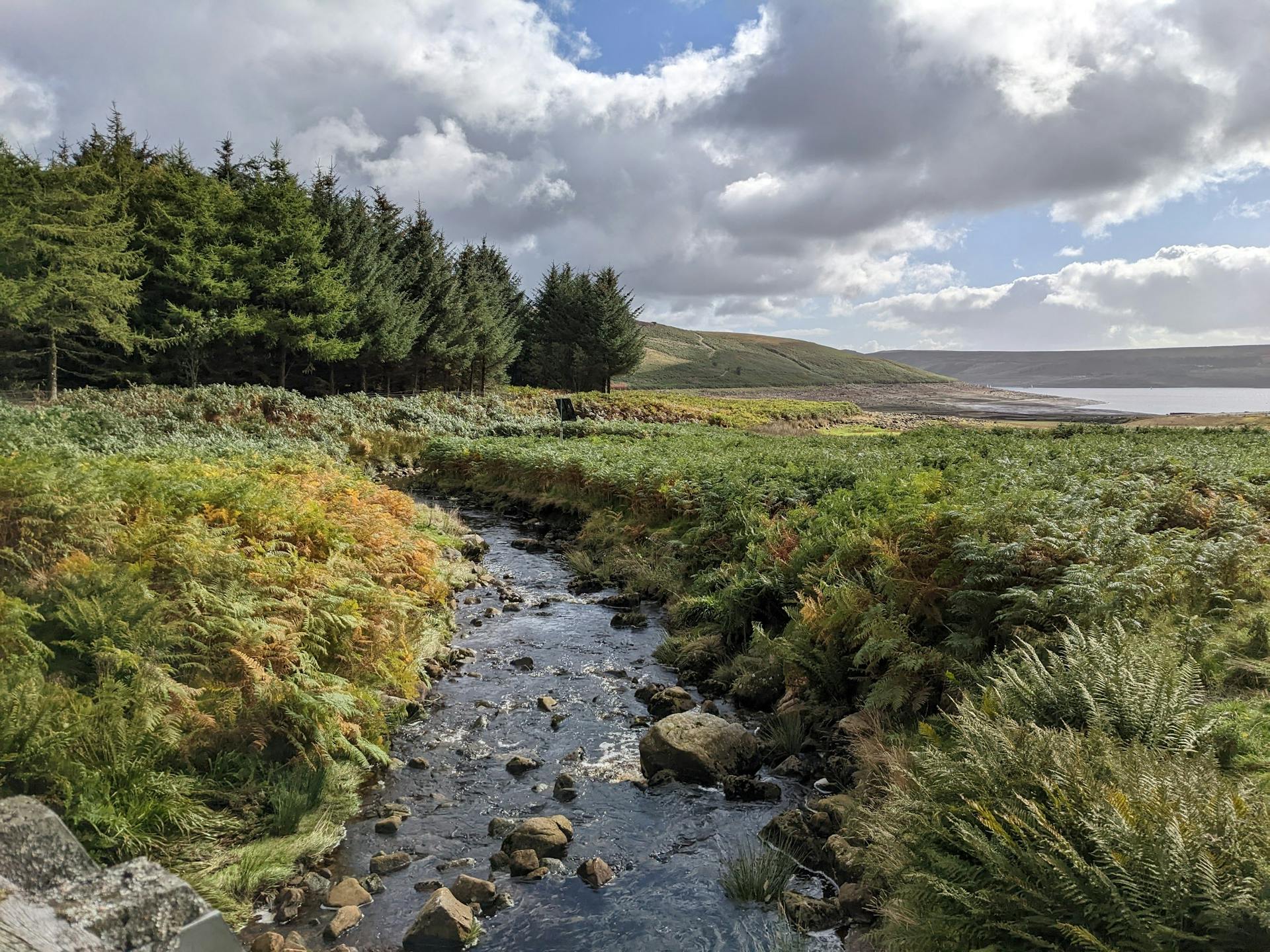
There’s something about Wuthering Heights that lingers, not just in the heartache of its story, but in the raw, untamed landscape that becomes a character in its own right. The moors, the windswept hills, the stone farmhouses isolated against an endless sky… it is a setting that has inspired generations of readers, and now a new film adaptation starring Margot Robbie and Jacob Elordi has reinvigorated the romance of the Yorkshire landscape.
If you’ve ever wanted to stand where Heathcliff might have wandered or imagine Catherine bracing the wind across an open field, this guide takes you there. From the actual filming locations to the best nearby towns for food, walks, and photography, here’s how to explore the moors and valleys that make Wuthering Heights so unforgettable.
The Yorkshire Dales and Moors – Key Filming Locations
Both the Yorkshire Dales and the North York Moors sit in northern England, within easy reach of cities like York and Leeds. The Dales stretch across western North Yorkshire into Cumbria, while the North York Moors lie to the east, edging toward the coast and towns like Whitby. You can comfortably explore either by car, and in a longer trip, combine both in one itinerary. They are separate national parks with distinct terrain, but geographically they are close enough that many visitors see them together, especially when tracing filming locations linked to Wuthering Heights.
The Yorkshire Dales are defined by valleys. The word “dale” literally means valley, and that is the essence of the landscape. You will find rolling green hills divided by dry stone walls, limestone escarpments, waterfalls, and small farming villages built from honey coloured stone. It feels pastoral and lived in. There is a rhythm to the Dales, shaped by agriculture and centuries of rural life. Even when dramatic, the scenery feels grounded and textured rather than overwhelming. It is countryside you move through gently, following rivers and winding lanes.
The North York Moors, by contrast, feel open and exposed. Instead of enclosed valleys, you get vast stretches of upland heather moorland beneath wide skies. Trees are sparse, villages are fewer and further between, and the land feels shaped more by wind and weather than by farming boundaries. In late summer, the heather turns a deep purple, but even then the atmosphere carries a sense of solitude. This is the kind of landscape that feels emotionally charged, which is why it suits the brooding intensity of Wuthering Heights so well.
In simple terms, the Dales feel intimate and pastoral, while the Moors feel expansive and elemental. Visiting both gives you two very different versions of Yorkshire, and understanding that contrast adds real depth to any Wuthering Heights filming locations journey.
Where Wuthering Heights Was Filmed: Key Locations
Swaledale
Set within the northern reaches of the Yorkshire Dales, Swaledale was used to frame some of the film’s sweeping moorland sequences, its open hillsides and big skies giving visual weight to Catherine and Heathcliff’s early, untamed bond. Swaledale is one of the most northerly and least developed of the Dales, and that relative isolation is exactly what gives it its power on screen. The landscape feels expansive and quietly dramatic, with rolling fells, dry stone walls and long stretches of open pasture that seem to stretch endlessly toward the horizon.
For walkers and nature lovers, it offers a more rugged and authentic version of the Yorkshire countryside, one that feels less curated and more elemental. On screen, that rawness helps anchor the story in a real, physical place rather than a romanticised backdrop, reinforcing the sense that the landscape itself shapes the characters who move through it.
Surrender Bridge, Swaledale
Footage from the official trailer hints that Surrender Bridge may appear in the finished film, and if so, it is a fitting choice. Set high on the moor above Swaledale, this 18th century stone packhorse bridge sits in an exposed, windswept landscape with barely a tree in sight. The surrounding terrain feels stark and elemental, especially under shifting Yorkshire skies, which makes it visually striking on screen.
Its lonely position in the open moorland carries an emotional weight that aligns perfectly with the story’s themes. A bridge is, of course, a symbol of crossing, of movement between worlds, of departure and return. Framed against the emptiness of the moor, Surrender Bridge becomes more than just a scenic detail. It feels like a threshold, a quiet marker of separation and reunion. For visitors, it is a powerful stop on a Wuthering Heights filming locations journey, not just for the view, but for the atmosphere. Standing there, with the wind cutting across the hillside, you can understand why a filmmaker would choose it to capture that sense of isolation and inevitability.
Early glimpses of the film show a horse drawn carriage moving slowly through a narrow valley, the track curving gently along a bridleway as ruins rise from the hillside. In the distance, the tall chimney and crumbling stone structures are clearly visible, creating a stark industrial contrast against the surrounding countryside. In other shots, characters walk through the same landscape under a veil of mist, the atmosphere heavy and subdued.
Old Gand Lead Mines, Swaledale
This location is Old Gang Smelt Mill, part of the historic lead mining remains scattered across Swaledale within the Yorkshire Dales National Park. Dating back to the early nineteenth century, these ruins are remnants of Yorkshire’s once thriving lead industry. The exposed stonework and solitary chimney add a haunting quality to the landscape, grounding the film in a setting that feels both historically authentic and emotionally stark.
Bouldershaw Lane, Yorkshire Dales National Park
One of the earliest clips shows a striking scene filmed along Bouldershaw Lane, within the Yorkshire Dales National Park. Here, Robbie is seen crossing a wide, open field in a flowing white 80s inspired wedding gown and veil, bouquet in hand, the landscape stretching starkly around her. The location sits about a mile north of the Old Gang site, along the road that climbs toward Langthwaite and the moorland beyond. An old farm building in a private field was also used for filming. While visitors cannot enter the field itself, it is visible from the roadside and can be glimpsed if you are following the five and a half mile circular walk from Surrender Bridge through Old Gang and across Reeth High Moor.
Melbecks Moor
Additional scenes appear to have been filmed on Melbecks Moor, a remote stretch of high ground in upper Swaledale within the National Park. Early footage shows characters wandering across open moorland or sitting quietly while looking out over the valleys below, and this exposed landscape matches that stark, expansive feel. Upper Swaledale is also home to the famously isolated Tan Hill Inn, often described as Britain’s highest pub, which gives you an idea of just how elevated and windswept this area is.
Like much of Swaledale, Melbecks Moor carries visible traces of its lead mining past, with scattered ruins, old trackways and spoil heaps still marking the terrain. One of these derelict buildings was reportedly used during filming, with additional props and visual effects brought in to enhance the setting. Today, however, the area feels largely untouched, open moorland stretching for miles, and reaching the site involves a walk of more than five miles. That sense of distance and isolation is part of its power, both on screen and in person.
Sky Studios Elstree, Hertfordshire
Many interior scenes were said to be shot on set at Sky Studios Elstree in southern Hertfordshire. Designed to meet the growing demands of international film and television, the studios bring together 12 state of the art soundstages with modern production offices, adaptable workshop spaces, and a comprehensive range of on site facilities. Every element is built to support the full production journey, from early set build through to final wrap, in one streamlined and professional environment.
Exploring the Yorkshire Dales – Travel Guide
The Yorkshire Dales are a moody invitation to slow travel, quiet paths, stone barns, and endless open skies. This region combines the raw beauty of the moors with friendly towns, excellent food, and unforgettable walks.
Best Towns and Villages to Visit
Start in Hawes, the heart of the Dales and home to the famous Wensleydale Creamery. Beyond trying (and buying) world-class cheeses, wander the cobbled streets, visit local farm shops, and enjoy pubs serving hearty ales and local fare. Hawes is your perfect base for exploring the nearby moors.
Grassington
Grassington is a picturesque village with historic stone buildings and boutique shops. It’s ideal for a relaxed day of wandering, cosy cafés, and artisan stores.
Richmond
A bit larger, Richmond offers a castle, river walks along the Swale, and charming architecture. It blends history with excellent restaurants and independent galleries.
Skipton
Known as the “Gateway to the Dales,” Skipton has a lively high street, a 900-year-old castle, and canal walks. It’s a great starting point for exploring westward into the hills.
Moors, Walks and Wild Landscapes
If there’s one reason this landscape works so well for Wuthering Heights, it’s the moors themselves. Watching storm clouds sweep across open terrain is a quintessential Yorkshire experience.
Top Walks and Nature Spots
Hardraw Force
A short drive from Hawes, Hardraw Force is one of England’s largest single-drop waterfalls. The walk through woodland and moorland is atmospheric and evocative.
Malham Cove
This natural limestone amphitheatre feels almost primeval. The sheer rock face and surrounding paths reward hikers with unforgettable views.
Tan Hill — England’s Highest Inn
For theatre and refreshment, visit Tan Hill Inn, perched at 1,732 feet above sea level. It’s atmospheric year-round and feels like stepping into a novel.
The Moorland Trails
Whether you choose a short loop or a longer moorland trek, the open moors are the landscape that made Brontë’s novel a classic. Mists rise in the morning, winds whip over heather, and the horizon seems endless.
When to Visit
The Yorkshire Dales are beautiful year-round, but timing alters the experience.
Spring and early summer (May–July):
• Wildflowers and bluebells
• Milder weather for walking
• Longer daylight
Autumn (September–November):
• Heather and moorland in rich colour
• Crisp, atmospheric days
• Fewer crowds
Winter (Dec-Feb):
• Moors can be chilly and dramatic
• Snow can create almost cinematic vistas
• Best for shorter daytime explorations
Summer is popular, so if you prefer quieter conditions and atmospheric skies perfect for Wuthering Heights vibes, winter and autumn are ideal.
How to Get There
From London
• By Train: Direct trains from London King’s Cross to Leeds and then a connecting service to Skipton or Leeds to Garsdale for access to Hawes.
• By Car: Around 4–5 hours via M1 and A1(M) before winding through scenic country roads.
From Manchester
• By Train: Manchester to Leeds, then regional connections into the Dales.
• By Car: About 2.5–3 hours, take the A65 into the heart of the Dales.
Driving gives you the most flexibility to explore remote moorland roads and scenic byways. Narrow winding lanes are common, so take your time and enjoy the scenery.
Eat, Stay, and Explore
Where to Eat
• The Crown in Hawes Classic British pub fare and local ales.
• The Lion Inn, Blakey Ridge Historic 16th-century inn with local dishes.
• Yorebridge House, Bainbridge For fine dining with regional flair.
Where to Stay
• Simonstone Hall Stay near the heart of filming atmosphere, and where Jacob, Margot and the cast stayed for two weeks during filming.
• The Traddock Hotel & Restaurant Stylish and local.
• The Devonshire Arms Hotel & Spa, Bolton Abbey A touch of luxury and comfort.
Capturing the Spirit of the Moors
Walking the trails, watching clouds sweep across valleys, or curling up with a local ale while fog drifts through stone villages, visiting the Yorkshire Dales is an emotional experience, just as Wuthering Heights intended.
The Best Time for Moody Scenery in the Yorkshire Dales and North York Moors
If you are visiting for cinematic atmosphere rather than postcard sunshine, timing matters. Both the Yorkshire Dales and the North York Moors change dramatically with the seasons, and that shift can completely alter how the landscape feels.
Late summer, particularly from late July through early September, is when the North York Moors are at their most visually striking. The heather blooms into a rich purple haze that rolls across the hills, softening the landscape while still keeping that sense of openness and scale. It is beautiful, but still wild. Early autumn is arguably the most atmospheric time overall. Cooler air, low cloud, and mist clinging to the valleys create the kind of brooding, layered scenery that feels straight out of Wuthering Heights. The Dales in autumn take on deeper greens and muted golds, while the Moors feel vast and elemental under shifting skies.
Winter offers a starker, more dramatic version of Yorkshire. Frost, bare hillsides, and near empty roads heighten the sense of isolation, especially in exposed areas like Swaledale. It is not the easiest season for hiking, but it can be the most powerful visually. Spring, meanwhile, brings lambing season in the Dales and a softer palette of fresh green fields and flowing waterfalls. It is less brooding, more hopeful, but still beautiful in its own way.
For photographers and film lovers, early morning and late afternoon are always best, regardless of season. Low light adds depth to stone walls, ruins, and ridgelines, while cloud cover often enhances rather than ruins the mood. In Yorkshire, a little grey sky is not a drawback, it is part of the story.
Yorkshire Dales and North York Moors Travel FAQ
Where are the Yorkshire Dales and North York Moors located?
The Yorkshire Dales are in western North Yorkshire, stretching toward Cumbria, while the North York Moors lie to the east, closer to the North Sea coast. Both are national parks in northern England and can easily be combined in a single road trip.
What is the main difference between the Dales and the Moors?
The Dales are defined by green valleys, rivers, limestone cliffs, and stone villages. They feel pastoral and lived in. The Moors are higher, more exposed uplands covered in heather, with fewer trees and settlements. They feel wilder, more expansive, and more atmospheric.
Which is better for Wuthering Heights style scenery?
For dramatic, windswept landscapes that capture the emotional intensity of the story, the North York Moors often feel closer to the novel’s mood. However, parts of Swaledale in the Yorkshire Dales also offer rugged, open terrain that works beautifully on screen.
Can you visit the filming locations?
Many of the landscapes used for filming are accessible via public roads and walking trails, especially around Swaledale within the Yorkshire Dales National Park. Some specific fields or farm buildings are private property, so always respect signage and stick to public footpaths.
When is the best time to visit?
Late spring through early autumn offers the most reliable weather for walking and exploring. August is especially striking on the North York Moors when the heather blooms purple. Autumn can also be atmospheric, with fewer crowds and dramatic skies.
Do you need a car to explore the area?
A car is highly recommended. While there are some train and bus connections to nearby towns such as York and Harrogate, many of the most scenic spots and filming locations are in remote areas best reached by road.
Are the walks difficult?
“`htmlThere is something for every level. In the Dales, you will find gentle valley walks as well as challenging hill climbs. On the Moors, routes can be longer and more exposed, so sturdy footwear and checking the weather forecast are important.
Wuthering Heights Filming Locations, 1 to 2 Day Itinerary
A practical route through Swaledale and the surrounding moorland, with an optional second day in the North York Moors. Ideal if you want big landscapes, quiet roads, and that windswept, cinematic mood.
Day 1, Swaledale and the wild heart of the Dales Primary filming area
Start early for the best atmosphere. The exposed moorland and big skies set the tone immediately, especially when the weather turns dramatic.
Explore the historic ruins via public footpaths. The stonework and lone chimney add a haunting, industrial edge to the valley scenery.
Stop for a meal or a hot drink in one of the most remote pub settings in England. The drive alone is part of the experience.
Pass the roadside viewpoints near the private field used for one of the early scenes. You cannot enter private land, but you can still soak up the setting from the road and public paths.
Wind down in a classic Dales village with cosy pubs and a relaxed pace, a softer contrast to the exposed moorland you have explored.
Day 2, North York Moors extension Optional, for extra atmosphere
Head east into the North York Moors for a different kind of drama, wider horizons, fewer trees, and a real feeling of openness.
Break up the drive with a historic stop. A market town lunch in Helmsley works well, or visit the abbey ruins for an extra layer of gothic mood.
If you have time, finish by the sea. Clifftop views and moody coastal weather give your trip a final cinematic flourish, especially near sunset.
Aim for late afternoon light, or embrace cloud cover. Yorkshire looks its most Wuthering Heights when the sky is doing something interesting.
Whether you are a film pilgrim retracing scenes from the latest adaptation, or a traveller seeking dramatic landscapes and timeless towns, the magic of the moors is transformative. It’s a place where stone meets sky, stories feel rooted in place, and every horizon feels like the beginning of another chapter.
Share this:
Like this: