There are places that look beautiful in photographs and places that somehow manage to be even more extraordinary when you arrive. Zermatt belongs firmly in the second category. Tucked into the Swiss Alps beneath the unmistakable pyramid of the Matterhorn, this mountain village has a way of making even the simplest moments feel cinematic. Snow settles across wooden chalets, church bells carry through the crisp mountain air and the narrow streets glow softly as the afternoon light fades behind the peaks.
For many travellers, Zermatt is synonymous with skiing. Its legendary slopes, high-altitude lifts and international reputation as a winter sports destination have made it one of Switzerland’s most celebrated alpine resorts. But there is another side to the village, one that is just as appealing to those who have never put on a pair of skis and have absolutely no intention of starting now.
In winter, Zermatt is a place for scenic train journeys, snowy walks, long lunches, cosy cafés, beautiful hotels and the sort of mountain views that make you forget to check your phone. You can travel high above the village without touching a ski lift, explore the history of the Matterhorn, wander through traditional streets and finish the day with a bubbling pot of cheese fondue.
The secret is to approach Zermatt a little differently. Rather than seeing it as a ski resort with activities for everyone else, think of it as an alpine village with a spectacular winter landscape attached. Once you do, the possibilities become rather wonderful.
Why Visit Zermatt in Winter?
Zermatt sits in the canton of Valais in southern Switzerland, close to the Italian border and at the foot of the Matterhorn, one of the most recognisable mountains in the world. Its setting is extraordinary, with dramatic peaks rising above the village and glaciers filling the surrounding high-altitude landscape.
Winter gives the destination a particular atmosphere. The rooftops are dusted with snow, the mountain air feels wonderfully fresh and the village takes on a slower, more intimate rhythm once the day visitors have departed. Even a simple walk to find a coffee can become an occasion when the Matterhorn appears between the buildings.
One of Zermatt’s greatest advantages is that it is not dependent on good skiing conditions to be enjoyable. The mountain railways and cable cars offer spectacular sightseeing experiences, while prepared winter walking routes, snowshoe trails, museums and wellness facilities provide plenty of alternatives. The official destination tourism board promotes winter hiking, snowshoeing, sledging and other experiences alongside skiing, making it clear that the mountains are not reserved for those carrying equipment.
There is also something particularly appealing about the village itself. Unlike some purpose-built resorts, Zermatt has a long history as a mountain settlement. Its traditional architecture, local food culture and relationship with the surrounding landscape give it a character that extends well beyond the ski season.
For travellers who love beautiful European mountain destinations, it is worth comparing Zermatt with the dramatic landscapes of the Italian Dolomites, where alpine villages, mountain restaurants and extraordinary scenery create a similarly memorable escape.
The Matterhorn: A View Worth Travelling For
Gornergrat Railway se
You do not need to climb it, ski beneath it or even be particularly interested in mountaineering to appreciate its presence. Some of the loveliest views can be enjoyed from the village itself, particularly on clear mornings when the mountain appears above the rooftops.
For a memorable introduction, take a slow walk through the village early in the day. The streets are quieter, the light is softer and there is a good chance of finding a peaceful viewpoint before the main sightseeing crowds arrive. Find a café, order something warm and enjoy the view without feeling obliged to do anything more ambitious.
The Matterhorn is also particularly beautiful around sunset. As the light changes, the mountain can take on shades of pink, orange and gold, creating the kind of scene that makes even experienced travellers reach for their cameras.
A useful tip is to leave some flexibility in your plans. Mountain weather can change quickly, and a clear afternoon is not guaranteed. If the forecast offers a bright morning, make the most of it rather than saving the best views for another day.
Ride the Gornergrat Railway for Extraordinary Alpine Views
If there is one experience that belongs on every non-skiing winter itinerary in Zermatt, it is the Gornergrat Railway. This historic cogwheel train climbs from the village to the Gornergrat, a panoramic mountain ridge at approximately 3,089 metres above sea level.
The journey takes around 33 minutes, but it feels much longer in the best possible way. As the train climbs, the scenery gradually changes from village rooftops and forest to open alpine terrain, snow-covered slopes and increasingly dramatic mountain views. The Matterhorn appears from different angles along the way, while the surrounding peaks create an extraordinary panorama.
At the summit, the landscape opens into a world of glaciers and high mountains. Gornergrat is surrounded by 29 peaks rising above 4,000 metres, and the views across the surrounding Alpine range are spectacular. Even if you have no interest in winter sports, simply standing on the viewing terraces and taking in the scale of the landscape is worth the journey.
The railway is particularly appealing because it allows visitors to experience the high mountains without needing specialist equipment or a strenuous hike. You can travel up, enjoy the views, spend some time in the mountain environment and return to the village by train.
The railway operates seasonally, and timetables can change. For the 2026–27 winter season, the published timetable shows regular services from late November, with a temporary closure scheduled from 2 to 14 November 2026 for construction work.
Visit Matterhorn Glacier Paradise and the Glacier Palace
For another extraordinary mountain experience, take the cable cars towards Matterhorn Glacier Paradise. Located at 3,883 metres above sea level on Klein Matterhorn, this is the highest mountain station in Europe and one of the most spectacular viewpoints accessible to visitors in the region.
The journey itself is part of the experience. As the cable cars rise above the surrounding landscape, the village gradually disappears and the mountains become increasingly immense. On a clear day, the views extend across glaciers and peaks in Switzerland, Italy and France.
At the summit, the viewing platform offers an extraordinary panorama of 38 peaks above 4,000 metres and 14 glaciers. It is a remarkable place to appreciate the scale of the Alps, particularly if you have never experienced a high-altitude mountain environment before.
One of the most unusual attractions is the Glacier Palace, an ice world located beneath the glacier surface. Visitors can explore illuminated ice sculptures, natural ice formations and a series of passages carved into the frozen landscape. There is even an ice slide, adding a little playful character to an otherwise otherworldly experience.
The Glacier Palace is open throughout the year, although access to the mountain attractions depends on operating conditions. The altitude is significant, so allow yourself time to adjust, dress warmly and avoid rushing around. If you are sensitive to altitude, have a relevant medical concern or begin feeling unwell, take it seriously and follow local advice.
This is one of those experiences that reminds you why the Swiss Alps have such a powerful hold on the imagination. You are not simply looking at a mountain from a distance; you are standing high above the valley, surrounded by a landscape of ice, snow and enormous peaks.
Wander Through Zermatt’s Beautiful Old Village
While the mountain scenery is the obvious attraction, some of Zermatt’s most charming moments happen at ground level. The village is wonderfully walkable, with narrow streets, traditional wooden buildings, independent shops and cafés that invite you to slow down.
Photo by Parth Patel
One of the most interesting areas is the old village, where historic Valais-style buildings offer a glimpse of traditional alpine life. Look out for the dark wooden barns and storehouses raised on stone supports, a traditional construction designed to protect stored food and grain from rodents. Their weathered timber and stone foundations create a beautiful contrast with the surrounding snow.
The village also has a more contemporary side. Along Bahnhofstrasse, you will find boutiques, outdoor equipment shops, cafés and restaurants, while smaller lanes reveal quieter corners and traditional architecture.
A walk through the village is best enjoyed without a strict plan. Stop for coffee, browse the shop windows, look for the Matterhorn between the rooftops and take time to appreciate the details. In a destination famous for its dramatic landscapes, it is easy to overlook the charm of the place itself.
For a deeper understanding of the region, visit the Matterhorn Museum – Zermatlantis. Its underground exhibition explores the history of Zermatt, local life and the story of mountaineering, including the famous first ascent of the Matterhorn in 1865 and the tragedy that followed. It offers valuable context for understanding how this once-remote mountain village became one of the world’s best-known alpine destinations.
Enjoy a Winter Walk Without Skis
One of the loveliest ways to experience Zermatt in winter is simply to walk through its snow-covered landscape. You do not need to be a serious hiker to enjoy the mountain atmosphere, although choosing the right route and checking current conditions are essential.
The destination has a network of prepared winter walking trails, with routes ranging from relatively easy village walks to more demanding high-altitude experiences. One option is the AHV route, also known as the Lower High Path. This easy walk takes approximately an hour and covers around 2.2 kilometres, offering a peaceful route through the winter forest and views towards the village and Gornergrat Railway.
Another option is the Blauherd to Fluhalp winter walk, a short route that offers beautiful mountain scenery and the opportunity to enjoy the sunshine on a clear day. It is particularly appealing for visitors who want to spend time in the mountains without committing to a long or difficult hike.
Snowshoeing is another excellent alternative. Snowshoes make it easier to move across suitable snowy terrain, and guided experiences are available for travellers who would prefer local knowledge and support. The sensation of walking through a quiet winter landscape, with the sound of snow beneath your feet and enormous mountains in the distance, is quite different from the busier atmosphere around the ski slopes.
The important thing is to stay on marked winter trails. Conditions can change quickly, and routes may close because of weather or avalanche risk.
Try Sledging for a Little Winter Fun
Not every winter activity needs to be peaceful and contemplative. Sometimes it is more fun to embrace the snow and enjoy a little speed.
Sledging is a wonderful option for non-skiers, and the Gornergrat region offers a particularly scenic experience. The well-known route runs between Rotenboden and Riffelberg, descending through a spectacular mountain landscape with views of the Matterhorn.
The run begins at around 2,815 metres and finishes at approximately 2,582 metres. It is a memorable way to experience the mountain scenery, although it is more active than it might initially appear. You need to be comfortable controlling the sledge, braking and steering, and appropriate footwear and warm clothing are essential.
The Gornergrat Railway provides access to the route, and sledging equipment can be arranged through the relevant ticket and rental services. However, the run is dependent on snow conditions and seasonal operations. For winter 2026–27, the operator currently expects the route to reopen in early January 2027, subject to snow conditions.
If sledging is not your idea of a relaxing holiday, there is no need to force it. Watching the activity from a warm mountain restaurant or simply enjoying the snowy scenery is equally appealing.
Make Time for the Cafés, Chocolate and Cosy Alpine Atmosphere
A winter holiday in Zermatt should include plenty of time for doing very little. This is not a destination where every hour needs to be filled with an activity, and some of the most enjoyable moments happen indoors.
The village has a lovely café culture, with places to settle in for coffee, hot chocolate and something sweet after a morning outside. A warm drink tastes particularly good when you have just returned from a snowy walk, and the simple pleasure of watching people move through the village from a window seat is part of the experience.
Swiss chocolate is an obvious temptation, and Zermatt offers plenty of opportunities to enjoy it. Look for local confectionery shops and traditional bakeries, where cakes, pastries and chocolate treats provide a welcome pause between mountain adventures.
For a more indulgent afternoon, choose a hotel lounge or a cosy café and make time to linger. Order a second coffee if the mood takes you. There is no prize for rushing through a holiday in the Alps.
Eat Your Way Through Traditional Swiss Alpine Food
Food is an important part of the Zermatt experience, particularly in winter. After spending time in the cold mountain air, few things feel more satisfying than sitting down to a hearty meal in a warm restaurant.
Fondue is the obvious classic. A pot of melted Swiss cheese, served with bread for dipping, is one of the country’s most recognisable dishes and feels particularly suited to a snowy evening. Raclette is another regional favourite, traditionally involving melted cheese served with potatoes and accompaniments such as pickles and onions.
Valais cuisine also offers plenty of other comforting options. Look for rösti, a crisp potato dish, local cheeses, dried meats and seasonal specialities. The region is also known for its wines, with Valais producing a range of distinctive varieties that pair beautifully with local food.
Zermatt has a broad restaurant scene, from traditional Swiss dining rooms to contemporary restaurants and fine dining experiences. For a more relaxed, traditional meal, Du Pont is listed by Zermatt tourism as one of the village’s oldest restaurants and is known for regional specialities including fondue, raclette and rösti. Always check opening times and make reservations where possible, particularly during busy winter periods.
For mountain dining, the restaurants around the Gornergrat and other accessible mountain stations offer the opportunity to combine lunch with spectacular views. You do not have to ski to enjoy a mountain restaurant. Take the train or cable car, settle in for a long lunch and let the landscape provide the entertainment.
Relax at a Spa with Mountain Views
After a day in the cold, a spa visit can feel like the perfect winter luxury. Zermatt has several hotels and wellness facilities offering indoor pools, saunas, steam rooms and treatments, often with beautiful views of the surrounding mountains.
The appeal is easy to understand. Spend the morning exploring the village or travelling up into the mountains, return in the afternoon and exchange winter boots for a robe. A warm pool or sauna is a particularly lovely way to unwind, especially when snow is falling outside.
Some of the village’s luxury hotels have extensive wellness facilities, while other properties offer smaller spa spaces that feel more intimate. If you are not staying at a hotel with a spa, check whether day access or treatment bookings are available. Access policies vary, and some facilities are reserved for hotel guests.
A spa afternoon is also an excellent option when the weather is cloudy or mountain visibility is limited. Rather than feeling disappointed about missing a viewpoint, take the opportunity to slow down and enjoy a different side of the destination.
Where to Stay in Zermatt
Choosing the right accommodation can shape the entire experience, particularly if you are visiting without skiing. A central location makes it easier to explore the village, reach restaurants and cafés, and access the mountain railway stations.
Photo by Matteo Milan
For a classic luxury experience, Zermatt has several established hotels with mountain views, elegant interiors and wellness facilities. The Grand Hotel Zermatterhof is one of the village’s best-known historic properties, with a central location and a collection of restaurants and bars. Its dining options include traditional Swiss cheese dishes as well as more formal Alpine-inspired cuisine.
CERVO Mountain Resort offers a different atmosphere, combining contemporary alpine design with restaurants, wellness experiences and mountain views. Its setting above the village gives it a distinctive feel, particularly for travellers looking for a stylish winter escape.
There are also plenty of smaller hotels, guesthouses and apartments for visitors who prefer a more relaxed or practical base. If you are not skiing, you may not need to pay for accommodation directly beside the slopes. A comfortable room, convenient access to the village and somewhere inviting to return to after a day outdoors are likely to matter more.
When booking, check whether breakfast is included, whether the property offers a luggage transfer or electric taxi service, and how easy it is to reach from the railway station. Snow-covered streets can make moving heavy suitcases less enjoyable than expected.
How to Get to Zermatt and Get Around
One of Zermatt’s most distinctive features is that it is car-free. Private vehicles cannot drive into the village, which helps preserve its peaceful atmosphere and makes walking around much more pleasant.
The easiest way to arrive is by train. Travellers coming from Zurich, Geneva or other Swiss cities can connect through the national rail network, usually changing at Visp before continuing on the Matterhorn Gotthard Railway to Zermatt.
If you are travelling by car, you must leave it in Täsch, approximately five kilometres before Zermatt. From there, a shuttle train takes around 12 minutes to reach the village. The service runs regularly, and the station is conveniently located in the centre of Zermatt.
Once there, much of the village can be explored on foot. Electric taxis and local e-buses are available for longer journeys or when carrying luggage. Some hotels also offer transport from the station, so it is worth arranging this in advance.
For travellers who enjoy scenic rail journeys, Switzerland is particularly rewarding. The journey to Zermatt can become part of the holiday rather than simply a transfer. If you are planning a broader European itinerary, our guide to different ways to travel through Europe offers inspiration for making the journey itself part of the experience.
When Is the Best Time to Visit Zermatt in Winter?
Winter in Zermatt generally runs from December through March, although snow conditions and mountain operations vary from year to year.
December is particularly appealing for travellers who love festive atmosphere. The village takes on a cosy winter feel, with seasonal decorations, warm restaurants and the possibility of fresh snowfall. The Christmas and New Year period is popular, so accommodation and restaurant reservations should be made well ahead.
January and February are often associated with the heart of the winter season. Snow-covered landscapes, cold temperatures and longer opportunities for winter activities create the classic alpine experience. These months can also be busy, especially around school holidays and major travel periods.
March brings longer days and often more sunshine, while the mountains remain beautifully snowy at higher elevations. It can be an attractive time for travellers who want a balance of winter scenery and more daylight for exploring.
The best month ultimately depends on the kind of holiday you want. For festive charm, December is lovely. For a traditional snowy winter escape, January and February are strong choices. For brighter days and a slightly softer atmosphere, consider March.
Whatever month you choose, check weather forecasts, lift schedules and trail conditions before travelling. Mountain operations are subject to weather, maintenance and seasonal changes.
A Simple Three-Day Zermatt Winter Itinerary Without Skis
Three days is a lovely introduction to Zermatt, particularly if you want to experience the village and its mountain scenery without rushing.
Begin your first day by exploring the village. Wander through the old streets, visit the Matterhorn Museum and spend time in the cafés and shops around the centre. If the weather is clear, find a good viewpoint of the Matterhorn before enjoying a traditional Swiss dinner.
On the second day, make the Gornergrat Railway your main experience. Choose a clear morning if possible, travel up to the panoramic viewpoint and allow plenty of time to enjoy the mountain scenery. Have lunch at one of the mountain restaurants before returning to the village for a relaxed afternoon. If conditions permit and the route is open, you could also consider a winter walk or sledging experience.
Spend the third day exploring at a slower pace. Depending on the weather and your interests, visit Matterhorn Glacier Paradise, try a prepared winter walking route, book a spa afternoon or enjoy a long lunch. Finish the trip with fondue or raclette and one last look at the mountain.
The best thing about this itinerary is its flexibility. Zermatt is a destination where the weather should help determine your plans. Keep the mountain excursions for clear days and save museums, cafés and wellness experiences for less favourable conditions.
What to Pack for a Winter Trip to Zermatt
Even if you are not skiing, proper winter clothing is essential. Temperatures in the village can be cold, while conditions at higher elevations are significantly colder and more exposed.
Pack a warm insulated jacket, thermal layers, gloves, a hat and a scarf. Waterproof winter boots with good grip are particularly important, as streets and paths can become icy. Sunglasses and sunscreen are also worth bringing because sunlight reflected off snow can be surprisingly intense.
For mountain excursions, dress in layers so you can adjust your clothing as temperatures change. A small day bag is useful for carrying water, snacks and extra layers, particularly if you plan to spend several hours away from the village.
If you are visiting Matterhorn Glacier Paradise or Gornergrat, remember that the temperature and wind conditions can feel very different from those in the village. Being properly dressed will make the experience much more enjoyable.
Is Zermatt Worth Visiting If You Don’t Ski?
Absolutely. In fact, Zermatt may be one of the most rewarding winter destinations in Switzerland for travellers who prefer scenery, food, culture and slower experiences over skiing.
The mountain railways make extraordinary alpine landscapes accessible, the village has enough character to keep you entertained between excursions, and the food and wellness experiences provide plenty of reasons to linger. You can spend a morning looking across glaciers, an afternoon wandering through snowy streets and an evening enjoying fondue without ever needing to step onto a ski slope.
It is also a wonderful destination for couples, photographers, families with older children and anyone who enjoys a beautiful mountain setting. The key is to plan around the experiences that interest you rather than feeling that you need to participate in the resort’s most famous activity.
For more inspiration when planning a European escape, explore our ultimate Slovenia travel guide, which brings together alpine scenery, lakeside towns and beautiful countryside. If you are drawn to dramatic landscapes and quieter destinations, our guide to the Faroe Islands offers another kind of extraordinary natural escape.
What to Read Next
If Zermatt has inspired you to explore more of Europe’s beautiful mountain landscapes, continue with our Ultimate Guide to the Dolomites in Italy, where dramatic peaks, alpine villages and mountain dining create an unforgettable escape.
For a different kind of European adventure, discover The Ultimate Slovenia Travel Guide, featuring beautiful lakes, mountain scenery and charming historic towns.
Zermatt has a way of making winter feel wonderfully romantic. Perhaps it is the Matterhorn rising above the village, the snow-covered rooftops, the sound of the train climbing into the mountains or the simple pleasure of sitting somewhere warm with a plate of melted cheese after a day outside.
It is certainly a destination for skiers, but it is not only a destination for skiers. There are mountain views to admire, winter trails to explore, stories to discover and long afternoons that seem to invite you to do very little at all.
Sometimes the best winter holidays are not about how much you achieve. They are about the places that make you want to slow down, look around and stay just a little longer.
And in Zermatt, with the Matterhorn watching over the village, doing exactly that feels like a rather wonderful plan.


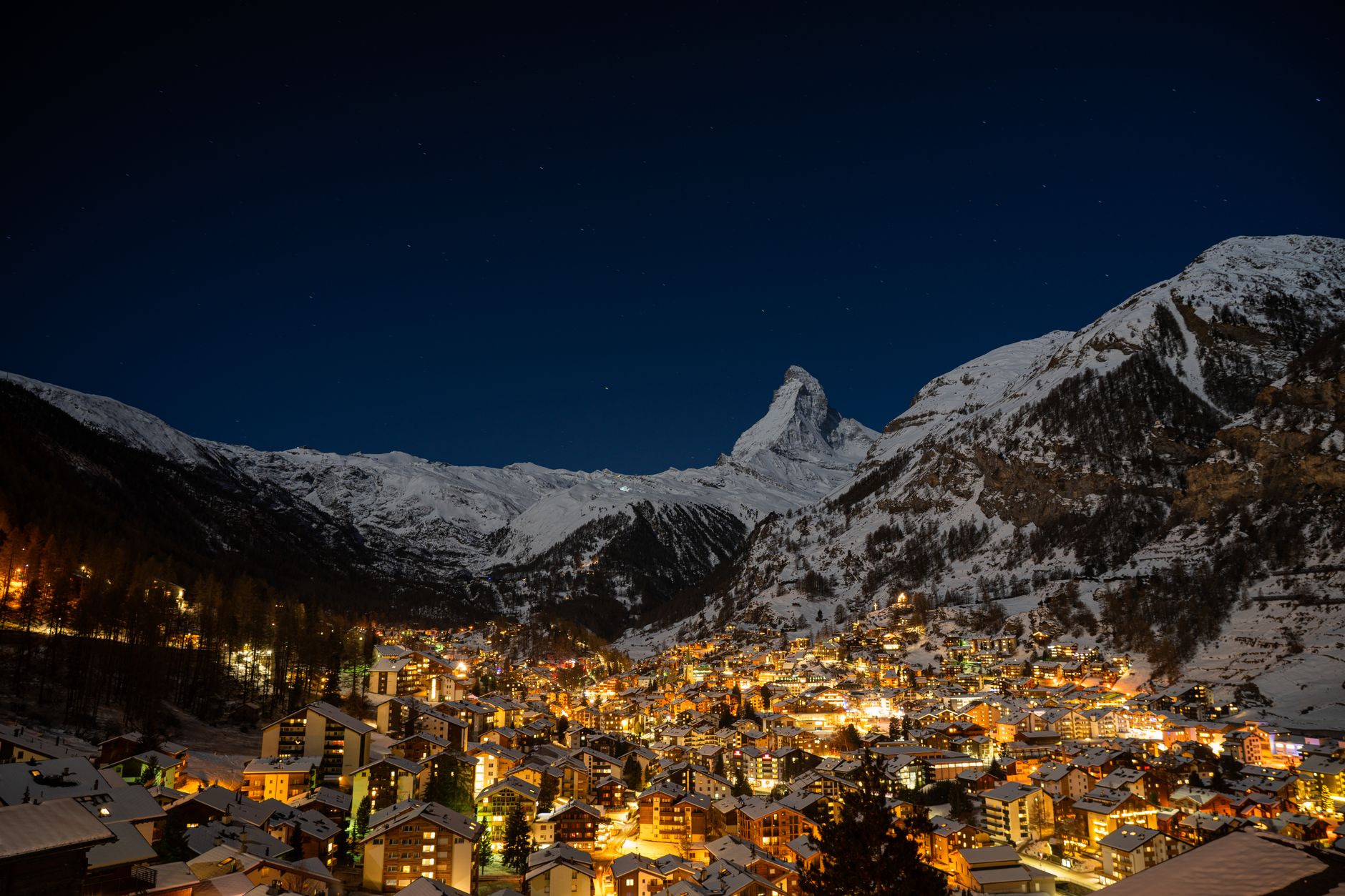
There are places that look beautiful in photographs and places that somehow manage to be even more extraordinary when you arrive. Zermatt belongs firmly in the second category. Tucked into the Swiss Alps beneath the unmistakable pyramid of the Matterhorn, this mountain village has a way of making even the simplest moments feel cinematic. Snow settles across wooden chalets, church bells carry through the crisp mountain air and the narrow streets glow softly as the afternoon light fades behind the peaks.
For many travellers, Zermatt is synonymous with skiing. Its legendary slopes, high-altitude lifts and international reputation as a winter sports destination have made it one of Switzerland’s most celebrated alpine resorts. But there is another side to the village, one that is just as appealing to those who have never put on a pair of skis and have absolutely no intention of starting now.
In winter, Zermatt is a place for scenic train journeys, snowy walks, long lunches, cosy cafés, beautiful hotels and the sort of mountain views that make you forget to check your phone. You can travel high above the village without touching a ski lift, explore the history of the Matterhorn, wander through traditional streets and finish the day with a bubbling pot of cheese fondue.
The secret is to approach Zermatt a little differently. Rather than seeing it as a ski resort with activities for everyone else, think of it as an alpine village with a spectacular winter landscape attached. Once you do, the possibilities become rather wonderful.
Why Visit Zermatt in Winter?
Zermatt sits in the canton of Valais in southern Switzerland, close to the Italian border and at the foot of the Matterhorn, one of the most recognisable mountains in the world. Its setting is extraordinary, with dramatic peaks rising above the village and glaciers filling the surrounding high-altitude landscape.
Winter gives the destination a particular atmosphere. The rooftops are dusted with snow, the mountain air feels wonderfully fresh and the village takes on a slower, more intimate rhythm once the day visitors have departed. Even a simple walk to find a coffee can become an occasion when the Matterhorn appears between the buildings.
One of Zermatt’s greatest advantages is that it is not dependent on good skiing conditions to be enjoyable. The mountain railways and cable cars offer spectacular sightseeing experiences, while prepared winter walking routes, snowshoe trails, museums and wellness facilities provide plenty of alternatives. The official destination tourism board promotes winter hiking, snowshoeing, sledging and other experiences alongside skiing, making it clear that the mountains are not reserved for those carrying equipment.
There is also something particularly appealing about the village itself. Unlike some purpose-built resorts, Zermatt has a long history as a mountain settlement. Its traditional architecture, local food culture and relationship with the surrounding landscape give it a character that extends well beyond the ski season.
For travellers who love beautiful European mountain destinations, it is worth comparing Zermatt with the dramatic landscapes of the Italian Dolomites, where alpine villages, mountain restaurants and extraordinary scenery create a similarly memorable escape.
The Matterhorn: A View Worth Travelling For
Gornergrat Railway se
You do not need to climb it, ski beneath it or even be particularly interested in mountaineering to appreciate its presence. Some of the loveliest views can be enjoyed from the village itself, particularly on clear mornings when the mountain appears above the rooftops.
For a memorable introduction, take a slow walk through the village early in the day. The streets are quieter, the light is softer and there is a good chance of finding a peaceful viewpoint before the main sightseeing crowds arrive. Find a café, order something warm and enjoy the view without feeling obliged to do anything more ambitious.
The Matterhorn is also particularly beautiful around sunset. As the light changes, the mountain can take on shades of pink, orange and gold, creating the kind of scene that makes even experienced travellers reach for their cameras.
A useful tip is to leave some flexibility in your plans. Mountain weather can change quickly, and a clear afternoon is not guaranteed. If the forecast offers a bright morning, make the most of it rather than saving the best views for another day.
Ride the Gornergrat Railway for Extraordinary Alpine Views
If there is one experience that belongs on every non-skiing winter itinerary in Zermatt, it is the Gornergrat Railway. This historic cogwheel train climbs from the village to the Gornergrat, a panoramic mountain ridge at approximately 3,089 metres above sea level.
The journey takes around 33 minutes, but it feels much longer in the best possible way. As the train climbs, the scenery gradually changes from village rooftops and forest to open alpine terrain, snow-covered slopes and increasingly dramatic mountain views. The Matterhorn appears from different angles along the way, while the surrounding peaks create an extraordinary panorama.
At the summit, the landscape opens into a world of glaciers and high mountains. Gornergrat is surrounded by 29 peaks rising above 4,000 metres, and the views across the surrounding Alpine range are spectacular. Even if you have no interest in winter sports, simply standing on the viewing terraces and taking in the scale of the landscape is worth the journey.
The railway is particularly appealing because it allows visitors to experience the high mountains without needing specialist equipment or a strenuous hike. You can travel up, enjoy the views, spend some time in the mountain environment and return to the village by train.
The railway operates seasonally, and timetables can change. For the 2026–27 winter season, the published timetable shows regular services from late November, with a temporary closure scheduled from 2 to 14 November 2026 for construction work.
Visit Matterhorn Glacier Paradise and the Glacier Palace
For another extraordinary mountain experience, take the cable cars towards Matterhorn Glacier Paradise. Located at 3,883 metres above sea level on Klein Matterhorn, this is the highest mountain station in Europe and one of the most spectacular viewpoints accessible to visitors in the region.
The journey itself is part of the experience. As the cable cars rise above the surrounding landscape, the village gradually disappears and the mountains become increasingly immense. On a clear day, the views extend across glaciers and peaks in Switzerland, Italy and France.
At the summit, the viewing platform offers an extraordinary panorama of 38 peaks above 4,000 metres and 14 glaciers. It is a remarkable place to appreciate the scale of the Alps, particularly if you have never experienced a high-altitude mountain environment before.
One of the most unusual attractions is the Glacier Palace, an ice world located beneath the glacier surface. Visitors can explore illuminated ice sculptures, natural ice formations and a series of passages carved into the frozen landscape. There is even an ice slide, adding a little playful character to an otherwise otherworldly experience.
The Glacier Palace is open throughout the year, although access to the mountain attractions depends on operating conditions. The altitude is significant, so allow yourself time to adjust, dress warmly and avoid rushing around. If you are sensitive to altitude, have a relevant medical concern or begin feeling unwell, take it seriously and follow local advice.
This is one of those experiences that reminds you why the Swiss Alps have such a powerful hold on the imagination. You are not simply looking at a mountain from a distance; you are standing high above the valley, surrounded by a landscape of ice, snow and enormous peaks.
Wander Through Zermatt’s Beautiful Old Village
While the mountain scenery is the obvious attraction, some of Zermatt’s most charming moments happen at ground level. The village is wonderfully walkable, with narrow streets, traditional wooden buildings, independent shops and cafés that invite you to slow down.
One of the most interesting areas is the old village, where historic Valais-style buildings offer a glimpse of traditional alpine life. Look out for the dark wooden barns and storehouses raised on stone supports, a traditional construction designed to protect stored food and grain from rodents. Their weathered timber and stone foundations create a beautiful contrast with the surrounding snow.
The village also has a more contemporary side. Along Bahnhofstrasse, you will find boutiques, outdoor equipment shops, cafés and restaurants, while smaller lanes reveal quieter corners and traditional architecture.
A walk through the village is best enjoyed without a strict plan. Stop for coffee, browse the shop windows, look for the Matterhorn between the rooftops and take time to appreciate the details. In a destination famous for its dramatic landscapes, it is easy to overlook the charm of the place itself.
For a deeper understanding of the region, visit the Matterhorn Museum – Zermatlantis. Its underground exhibition explores the history of Zermatt, local life and the story of mountaineering, including the famous first ascent of the Matterhorn in 1865 and the tragedy that followed. It offers valuable context for understanding how this once-remote mountain village became one of the world’s best-known alpine destinations.
Enjoy a Winter Walk Without Skis
One of the loveliest ways to experience Zermatt in winter is simply to walk through its snow-covered landscape. You do not need to be a serious hiker to enjoy the mountain atmosphere, although choosing the right route and checking current conditions are essential.
The destination has a network of prepared winter walking trails, with routes ranging from relatively easy village walks to more demanding high-altitude experiences. One option is the AHV route, also known as the Lower High Path. This easy walk takes approximately an hour and covers around 2.2 kilometres, offering a peaceful route through the winter forest and views towards the village and Gornergrat Railway.
Another option is the Blauherd to Fluhalp winter walk, a short route that offers beautiful mountain scenery and the opportunity to enjoy the sunshine on a clear day. It is particularly appealing for visitors who want to spend time in the mountains without committing to a long or difficult hike.
Snowshoeing is another excellent alternative. Snowshoes make it easier to move across suitable snowy terrain, and guided experiences are available for travellers who would prefer local knowledge and support. The sensation of walking through a quiet winter landscape, with the sound of snow beneath your feet and enormous mountains in the distance, is quite different from the busier atmosphere around the ski slopes.
The important thing is to stay on marked winter trails. Conditions can change quickly, and routes may close because of weather or avalanche risk.
Try Sledging for a Little Winter Fun
Not every winter activity needs to be peaceful and contemplative. Sometimes it is more fun to embrace the snow and enjoy a little speed.
Sledging is a wonderful option for non-skiers, and the Gornergrat region offers a particularly scenic experience. The well-known route runs between Rotenboden and Riffelberg, descending through a spectacular mountain landscape with views of the Matterhorn.
The run begins at around 2,815 metres and finishes at approximately 2,582 metres. It is a memorable way to experience the mountain scenery, although it is more active than it might initially appear. You need to be comfortable controlling the sledge, braking and steering, and appropriate footwear and warm clothing are essential.
The Gornergrat Railway provides access to the route, and sledging equipment can be arranged through the relevant ticket and rental services. However, the run is dependent on snow conditions and seasonal operations. For winter 2026–27, the operator currently expects the route to reopen in early January 2027, subject to snow conditions.
If sledging is not your idea of a relaxing holiday, there is no need to force it. Watching the activity from a warm mountain restaurant or simply enjoying the snowy scenery is equally appealing.
Make Time for the Cafés, Chocolate and Cosy Alpine Atmosphere
A winter holiday in Zermatt should include plenty of time for doing very little. This is not a destination where every hour needs to be filled with an activity, and some of the most enjoyable moments happen indoors.
The village has a lovely café culture, with places to settle in for coffee, hot chocolate and something sweet after a morning outside. A warm drink tastes particularly good when you have just returned from a snowy walk, and the simple pleasure of watching people move through the village from a window seat is part of the experience.
Swiss chocolate is an obvious temptation, and Zermatt offers plenty of opportunities to enjoy it. Look for local confectionery shops and traditional bakeries, where cakes, pastries and chocolate treats provide a welcome pause between mountain adventures.
For a more indulgent afternoon, choose a hotel lounge or a cosy café and make time to linger. Order a second coffee if the mood takes you. There is no prize for rushing through a holiday in the Alps.
Eat Your Way Through Traditional Swiss Alpine Food
Food is an important part of the Zermatt experience, particularly in winter. After spending time in the cold mountain air, few things feel more satisfying than sitting down to a hearty meal in a warm restaurant.
Fondue is the obvious classic. A pot of melted Swiss cheese, served with bread for dipping, is one of the country’s most recognisable dishes and feels particularly suited to a snowy evening. Raclette is another regional favourite, traditionally involving melted cheese served with potatoes and accompaniments such as pickles and onions.
Valais cuisine also offers plenty of other comforting options. Look for rösti, a crisp potato dish, local cheeses, dried meats and seasonal specialities. The region is also known for its wines, with Valais producing a range of distinctive varieties that pair beautifully with local food.
Zermatt has a broad restaurant scene, from traditional Swiss dining rooms to contemporary restaurants and fine dining experiences. For a more relaxed, traditional meal, Du Pont is listed by Zermatt tourism as one of the village’s oldest restaurants and is known for regional specialities including fondue, raclette and rösti. Always check opening times and make reservations where possible, particularly during busy winter periods.
For mountain dining, the restaurants around the Gornergrat and other accessible mountain stations offer the opportunity to combine lunch with spectacular views. You do not have to ski to enjoy a mountain restaurant. Take the train or cable car, settle in for a long lunch and let the landscape provide the entertainment.
Relax at a Spa with Mountain Views
After a day in the cold, a spa visit can feel like the perfect winter luxury. Zermatt has several hotels and wellness facilities offering indoor pools, saunas, steam rooms and treatments, often with beautiful views of the surrounding mountains.
The appeal is easy to understand. Spend the morning exploring the village or travelling up into the mountains, return in the afternoon and exchange winter boots for a robe. A warm pool or sauna is a particularly lovely way to unwind, especially when snow is falling outside.
Some of the village’s luxury hotels have extensive wellness facilities, while other properties offer smaller spa spaces that feel more intimate. If you are not staying at a hotel with a spa, check whether day access or treatment bookings are available. Access policies vary, and some facilities are reserved for hotel guests.
A spa afternoon is also an excellent option when the weather is cloudy or mountain visibility is limited. Rather than feeling disappointed about missing a viewpoint, take the opportunity to slow down and enjoy a different side of the destination.
Where to Stay in Zermatt
Choosing the right accommodation can shape the entire experience, particularly if you are visiting without skiing. A central location makes it easier to explore the village, reach restaurants and cafés, and access the mountain railway stations.
For a classic luxury experience, Zermatt has several established hotels with mountain views, elegant interiors and wellness facilities. The Grand Hotel Zermatterhof is one of the village’s best-known historic properties, with a central location and a collection of restaurants and bars. Its dining options include traditional Swiss cheese dishes as well as more formal Alpine-inspired cuisine.
CERVO Mountain Resort offers a different atmosphere, combining contemporary alpine design with restaurants, wellness experiences and mountain views. Its setting above the village gives it a distinctive feel, particularly for travellers looking for a stylish winter escape.
There are also plenty of smaller hotels, guesthouses and apartments for visitors who prefer a more relaxed or practical base. If you are not skiing, you may not need to pay for accommodation directly beside the slopes. A comfortable room, convenient access to the village and somewhere inviting to return to after a day outdoors are likely to matter more.
When booking, check whether breakfast is included, whether the property offers a luggage transfer or electric taxi service, and how easy it is to reach from the railway station. Snow-covered streets can make moving heavy suitcases less enjoyable than expected.
How to Get to Zermatt and Get Around
One of Zermatt’s most distinctive features is that it is car-free. Private vehicles cannot drive into the village, which helps preserve its peaceful atmosphere and makes walking around much more pleasant.
The easiest way to arrive is by train. Travellers coming from Zurich, Geneva or other Swiss cities can connect through the national rail network, usually changing at Visp before continuing on the Matterhorn Gotthard Railway to Zermatt.
If you are travelling by car, you must leave it in Täsch, approximately five kilometres before Zermatt. From there, a shuttle train takes around 12 minutes to reach the village. The service runs regularly, and the station is conveniently located in the centre of Zermatt.
Once there, much of the village can be explored on foot. Electric taxis and local e-buses are available for longer journeys or when carrying luggage. Some hotels also offer transport from the station, so it is worth arranging this in advance.
For travellers who enjoy scenic rail journeys, Switzerland is particularly rewarding. The journey to Zermatt can become part of the holiday rather than simply a transfer. If you are planning a broader European itinerary, our guide to different ways to travel through Europe offers inspiration for making the journey itself part of the experience.
When Is the Best Time to Visit Zermatt in Winter?
Winter in Zermatt generally runs from December through March, although snow conditions and mountain operations vary from year to year.
December is particularly appealing for travellers who love festive atmosphere. The village takes on a cosy winter feel, with seasonal decorations, warm restaurants and the possibility of fresh snowfall. The Christmas and New Year period is popular, so accommodation and restaurant reservations should be made well ahead.
January and February are often associated with the heart of the winter season. Snow-covered landscapes, cold temperatures and longer opportunities for winter activities create the classic alpine experience. These months can also be busy, especially around school holidays and major travel periods.
March brings longer days and often more sunshine, while the mountains remain beautifully snowy at higher elevations. It can be an attractive time for travellers who want a balance of winter scenery and more daylight for exploring.
The best month ultimately depends on the kind of holiday you want. For festive charm, December is lovely. For a traditional snowy winter escape, January and February are strong choices. For brighter days and a slightly softer atmosphere, consider March.
Whatever month you choose, check weather forecasts, lift schedules and trail conditions before travelling. Mountain operations are subject to weather, maintenance and seasonal changes.
A Simple Three-Day Zermatt Winter Itinerary Without Skis
Three days is a lovely introduction to Zermatt, particularly if you want to experience the village and its mountain scenery without rushing.
Begin your first day by exploring the village. Wander through the old streets, visit the Matterhorn Museum and spend time in the cafés and shops around the centre. If the weather is clear, find a good viewpoint of the Matterhorn before enjoying a traditional Swiss dinner.
On the second day, make the Gornergrat Railway your main experience. Choose a clear morning if possible, travel up to the panoramic viewpoint and allow plenty of time to enjoy the mountain scenery. Have lunch at one of the mountain restaurants before returning to the village for a relaxed afternoon. If conditions permit and the route is open, you could also consider a winter walk or sledging experience.
Spend the third day exploring at a slower pace. Depending on the weather and your interests, visit Matterhorn Glacier Paradise, try a prepared winter walking route, book a spa afternoon or enjoy a long lunch. Finish the trip with fondue or raclette and one last look at the mountain.
The best thing about this itinerary is its flexibility. Zermatt is a destination where the weather should help determine your plans. Keep the mountain excursions for clear days and save museums, cafés and wellness experiences for less favourable conditions.
What to Pack for a Winter Trip to Zermatt
Even if you are not skiing, proper winter clothing is essential. Temperatures in the village can be cold, while conditions at higher elevations are significantly colder and more exposed.
Pack a warm insulated jacket, thermal layers, gloves, a hat and a scarf. Waterproof winter boots with good grip are particularly important, as streets and paths can become icy. Sunglasses and sunscreen are also worth bringing because sunlight reflected off snow can be surprisingly intense.
For mountain excursions, dress in layers so you can adjust your clothing as temperatures change. A small day bag is useful for carrying water, snacks and extra layers, particularly if you plan to spend several hours away from the village.
If you are visiting Matterhorn Glacier Paradise or Gornergrat, remember that the temperature and wind conditions can feel very different from those in the village. Being properly dressed will make the experience much more enjoyable.
Is Zermatt Worth Visiting If You Don’t Ski?
Absolutely. In fact, Zermatt may be one of the most rewarding winter destinations in Switzerland for travellers who prefer scenery, food, culture and slower experiences over skiing.
The mountain railways make extraordinary alpine landscapes accessible, the village has enough character to keep you entertained between excursions, and the food and wellness experiences provide plenty of reasons to linger. You can spend a morning looking across glaciers, an afternoon wandering through snowy streets and an evening enjoying fondue without ever needing to step onto a ski slope.
It is also a wonderful destination for couples, photographers, families with older children and anyone who enjoys a beautiful mountain setting. The key is to plan around the experiences that interest you rather than feeling that you need to participate in the resort’s most famous activity.
For more inspiration when planning a European escape, explore our ultimate Slovenia travel guide, which brings together alpine scenery, lakeside towns and beautiful countryside. If you are drawn to dramatic landscapes and quieter destinations, our guide to the Faroe Islands offers another kind of extraordinary natural escape.
What to Read Next
If Zermatt has inspired you to explore more of Europe’s beautiful mountain landscapes, continue with our Ultimate Guide to the Dolomites in Italy, where dramatic peaks, alpine villages and mountain dining create an unforgettable escape.
For a different kind of European adventure, discover The Ultimate Slovenia Travel Guide, featuring beautiful lakes, mountain scenery and charming historic towns.
And if you are dreaming of a wider European journey, our guide to The Best Budget-Friendly European Summer Destinations offers inspiration for discovering more of the continent without spending a fortune.
The Final Word
Zermatt has a way of making winter feel wonderfully romantic. Perhaps it is the Matterhorn rising above the village, the snow-covered rooftops, the sound of the train climbing into the mountains or the simple pleasure of sitting somewhere warm with a plate of melted cheese after a day outside.
It is certainly a destination for skiers, but it is not only a destination for skiers. There are mountain views to admire, winter trails to explore, stories to discover and long afternoons that seem to invite you to do very little at all.
Sometimes the best winter holidays are not about how much you achieve. They are about the places that make you want to slow down, look around and stay just a little longer.
And in Zermatt, with the Matterhorn watching over the village, doing exactly that feels like a rather wonderful plan.
Share this:
Like this: