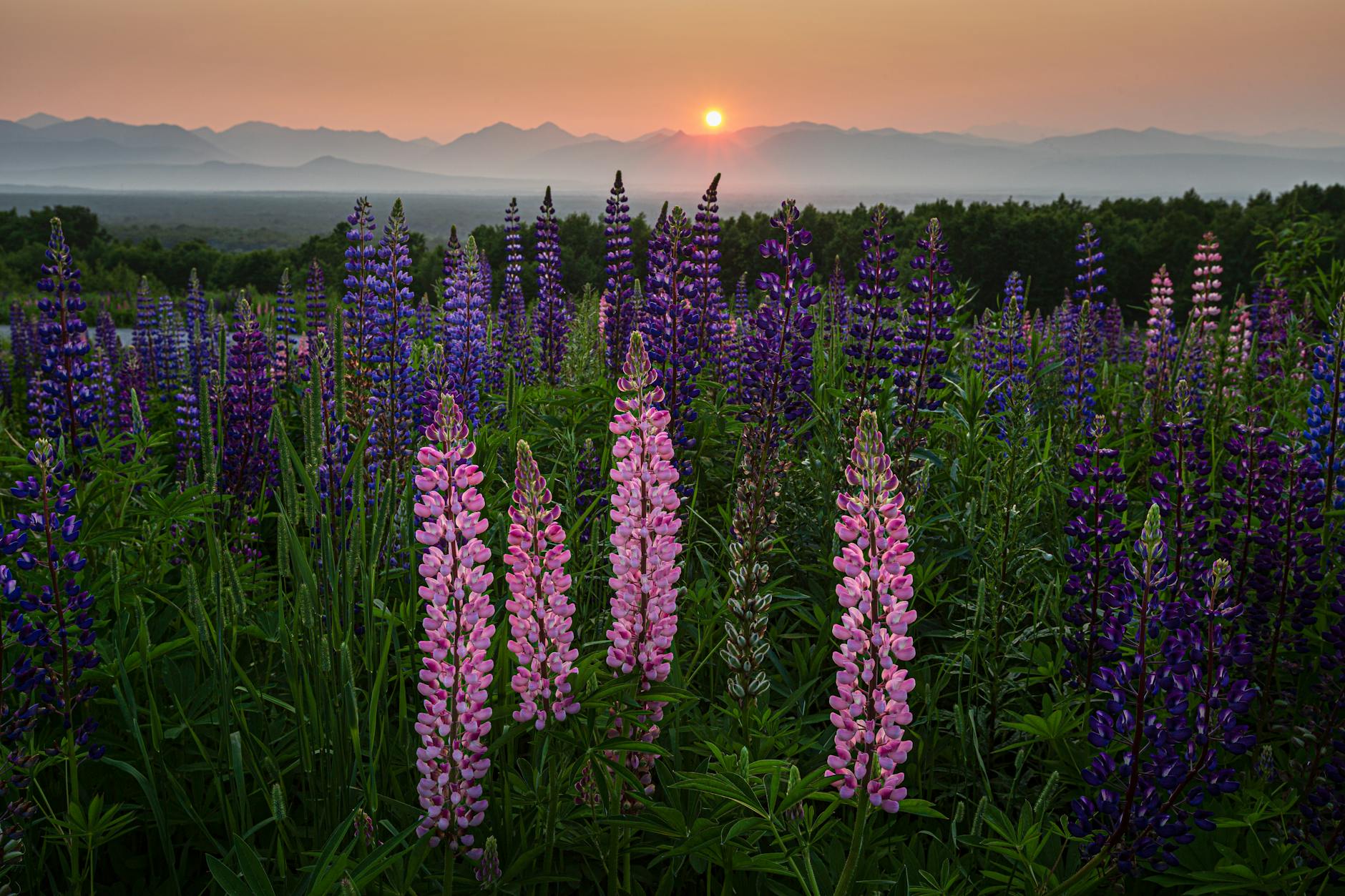
When people think of Hokkaido, Japan’s northernmost island, they often picture powder-covered mountains, ski resorts, and steaming bowls of miso ramen devoured after a day on the slopes. And while winter is spectacular here, what many travelers miss is that Hokkaido transforms into something truly magical in spring and summer, with wildflower meadows, volcanic lakes, and a fresh, crowd-free perspective on Japan.
If you’re looking to escape the typical tourist trail and explore a wilder, more tranquil side of Japan.
Photo by Pierre Miyamoto
Why Visit Hokkaido in Spring and Summer?
Fewer Tourists, More Nature
Hokkaido is already less populated than the rest of Japan, but outside of ski season, it becomes even more peaceful. You can hike along crater lakes without crossing paths with another traveller, or take scenic drives through lavender fields and forested national parks, without tour buses or long queues.
Wild, Untouched Landscapes
Unlike the dense cities of Honshu, Hokkaido is all about open spaces. It’s where locals go to breathe. Picture dramatic coastlines, volcanic peaks, rolling meadows, and dense pine forests. Spring brings cherry blossoms to Sapporo and Hakodate, while summer delivers vibrant blooms, alpine hikes, and pristine beaches.
No Rainy Season, No Humidity
Hokkaido sits outside the path of Japan’s summer rainy season. While Tokyo and Kyoto are dripping in humidity by June, Hokkaido stays dry, breezy, and cool, with temperatures in the 20s (Celsius) and long daylight hours for exploring.
Top Places to Visit in Hokkaido During Spring and Summer
1. Furano & Biei: Lavender Fields and Rolling Hills
From late June to early August, Furano’s lavender fields burst into bloom, carpeting the hillsides in purple. Visit Farm Tomita, Japan’s most famous lavender farm, for sweeping views and lavender ice cream. Nearby Biei offers undulating hills, colourful flower patches, and the surreal Blue Pond, a mineral-rich pool made famous by Apple’s default wallpapers.
2. Lake Toya & Noboribetsu: Volcanic Beauty and Natural Hot Springs
Lake Toya is a crater lake formed from a volcanic eruption, and it’s stunning in every season. Rent a paddleboat, take a ferry to Nakajima Island, or hike Mount Usu for panoramic views. Nearby Noboribetsu Onsen is one of Hokkaido’s top hot spring towns, and in summer, it’s a great spot to enjoy open-air baths without the winter chill.
Pro tip: Visit Jigokudani (Hell Valley) to walk among steaming vents and sulphur springs, an otherworldly experience without the icy winds of winter.
3. Shiretoko Peninsula: Japan’s Last Wilderness
A UNESCO World Heritage Site, Shiretokois one of Japan’s most remote and pristine regions. Spring and summer bring waterfalls, wildlife, and endless hiking trails. You might spot brown bears, red foxes, and even orcas along the rugged coast.
Activities:
Take a nature cruise along the peninsula
Hike the Five Lakes trail
Go waterfall chasing (Kamuiwakka Falls is a must)
4. Sapporo: Culture, Cuisine, and City Comforts
Spring in Sapporo brings cherry blossoms to Maruyama Park and Moerenuma Park, without the crowds of Tokyo or Osaka. In summer, the city comes alive with outdoor beer gardens, music festivals, and cycling routes along the Toyohira River.
Don’t Miss:
Sapporo Summer Festival (late July–mid August)
Fresh Hokkaido seafood at Nijo Market
A ride up Mount Moiwa for sunset views over the city
Photo by Natsuko Aoyama
5. Hakodate: Port Charm and Night Views
One of the first ports opened to foreigners in the 1800s, Hakodate blends Japanese tradition with European influence. Springtime brings cherry blossoms to Goryokaku Fort, while summer nights are perfect for a trip up Mount Hakodate, often ranked among the top three night views in Japan.
Other Highlights:
Explore the morning seafood markets
Visit the historic red brick warehouses
Take a dip in nearby Yunokawa Onsen, known for its relaxing seaside baths
Photo by minami okamoto
What to Eat in Hokkaido During Spring and Summer
Hokkaido is known for having some of the freshest and most celebrated produce and seafood in Japan. Here’s what to look out for in the warmer months:
Melons from Yubari – Sweet, juicy, and prized across the country
Asparagus and corn – Simple but incredibly flavourful
Sea urchin (uni) – Especially fresh in summer
Soba and zaru udon – Perfect chilled noodle dishes for warm days
Soft-serve ice cream – Hokkaido dairy is famously creamy
Pair it all with a cold glass of Sapporo beer or locally brewed sake, and you’ll see why foodies love this region year-round.
How to Get There and When to Go
Flights: Hokkaido’s main gateway is New Chitose Airport, with direct flights from Tokyo, Osaka, and even international cities like Seoul and Taipei.
Best time to visit:
Late April to early May for cherry blossoms
June–August for wildflowers, hikes, and summer festivals
Tip: Renting a car gives you the freedom to explore rural Hokkaido at your own pace, especially if you’re venturing to Furano, Shiretoko, or Lake Toya.
Photo by minami okamoto
Final Thoughts: The Summer Version of Japan You Never Knew You Needed
Hokkaido in spring and summer isJapan in widescreen. It’s where you go to slow down, breathe in fresh mountain air, and see landscapes you won’t find anywhere else in the country. Whether you’re chasing flower fields, hiking to hidden waterfalls, or soaking in an outdoor onsen under the stars, this northern island offers something the main tourist trail can’t: space, peace, and a genuine sense of discovery.
So skip the heat and humidity of Japan’s mainland cities, and head north. Hokkaido is waiting, with cool breezes, wide horizons, and a completely different side of Japan.


When people think of Hokkaido, Japan’s northernmost island, they often picture powder-covered mountains, ski resorts, and steaming bowls of miso ramen devoured after a day on the slopes. And while winter is spectacular here, what many travelers miss is that Hokkaido transforms into something truly magical in spring and summer, with wildflower meadows, volcanic lakes, and a fresh, crowd-free perspective on Japan.
If you’re looking to escape the typical tourist trail and explore a wilder, more tranquil side of Japan.
Why Visit Hokkaido in Spring and Summer?
Fewer Tourists, More Nature
Hokkaido is already less populated than the rest of Japan, but outside of ski season, it becomes even more peaceful. You can hike along crater lakes without crossing paths with another traveller, or take scenic drives through lavender fields and forested national parks, without tour buses or long queues.
Wild, Untouched Landscapes
Unlike the dense cities of Honshu, Hokkaido is all about open spaces. It’s where locals go to breathe. Picture dramatic coastlines, volcanic peaks, rolling meadows, and dense pine forests. Spring brings cherry blossoms to Sapporo and Hakodate, while summer delivers vibrant blooms, alpine hikes, and pristine beaches.
No Rainy Season, No Humidity
Hokkaido sits outside the path of Japan’s summer rainy season. While Tokyo and Kyoto are dripping in humidity by June, Hokkaido stays dry, breezy, and cool, with temperatures in the 20s (Celsius) and long daylight hours for exploring.
Top Places to Visit in Hokkaido During Spring and Summer
1. Furano & Biei: Lavender Fields and Rolling Hills
From late June to early August, Furano’s lavender fields burst into bloom, carpeting the hillsides in purple. Visit Farm Tomita, Japan’s most famous lavender farm, for sweeping views and lavender ice cream. Nearby Biei offers undulating hills, colourful flower patches, and the surreal Blue Pond, a mineral-rich pool made famous by Apple’s default wallpapers.
Don’t Miss:
2. Lake Toya & Noboribetsu: Volcanic Beauty and Natural Hot Springs
Lake Toya is a crater lake formed from a volcanic eruption, and it’s stunning in every season. Rent a paddleboat, take a ferry to Nakajima Island, or hike Mount Usu for panoramic views. Nearby Noboribetsu Onsen is one of Hokkaido’s top hot spring towns, and in summer, it’s a great spot to enjoy open-air baths without the winter chill.
Pro tip: Visit Jigokudani (Hell Valley) to walk among steaming vents and sulphur springs, an otherworldly experience without the icy winds of winter.
3. Shiretoko Peninsula: Japan’s Last Wilderness
A UNESCO World Heritage Site, Shiretoko is one of Japan’s most remote and pristine regions. Spring and summer bring waterfalls, wildlife, and endless hiking trails. You might spot brown bears, red foxes, and even orcas along the rugged coast.
Activities:
4. Sapporo: Culture, Cuisine, and City Comforts
Spring in Sapporo brings cherry blossoms to Maruyama Park and Moerenuma Park, without the crowds of Tokyo or Osaka. In summer, the city comes alive with outdoor beer gardens, music festivals, and cycling routes along the Toyohira River.
Don’t Miss:
5. Hakodate: Port Charm and Night Views
One of the first ports opened to foreigners in the 1800s, Hakodate blends Japanese tradition with European influence. Springtime brings cherry blossoms to Goryokaku Fort, while summer nights are perfect for a trip up Mount Hakodate, often ranked among the top three night views in Japan.
Other Highlights:
What to Eat in Hokkaido During Spring and Summer
Hokkaido is known for having some of the freshest and most celebrated produce and seafood in Japan. Here’s what to look out for in the warmer months:
Pair it all with a cold glass of Sapporo beer or locally brewed sake, and you’ll see why foodies love this region year-round.
How to Get There and When to Go
Tip: Renting a car gives you the freedom to explore rural Hokkaido at your own pace, especially if you’re venturing to Furano, Shiretoko, or Lake Toya.
Final Thoughts: The Summer Version of Japan You Never Knew You Needed
Hokkaido in spring and summer is Japan in widescreen. It’s where you go to slow down, breathe in fresh mountain air, and see landscapes you won’t find anywhere else in the country. Whether you’re chasing flower fields, hiking to hidden waterfalls, or soaking in an outdoor onsen under the stars, this northern island offers something the main tourist trail can’t: space, peace, and a genuine sense of discovery.
So skip the heat and humidity of Japan’s mainland cities, and head north. Hokkaido is waiting, with cool breezes, wide horizons, and a completely different side of Japan.
Share this:
Like this: