For many travelers, food is the most memorable part of the journey. A steaming bowl of noodles from a street vendor in Bangkok, handmade pasta in a quiet Italian village, or a perfectly spiced taco from a family-owned stand in Mexico can tell stories about culture, history, and people. Traditionally, many travel bloggers started these discoveries as solo adventures – one traveler, one plate, one story at a time.
But today, those solo food journeys are evolving into something bigger: travel collaborations. Content creators, restaurants, tourism boards, and fellow travelers are working together to turn individual dining experiences into shared storytelling that reaches audiences around the world.
From Solo Exploration to Shared Experiences
Solo food travel has always had a certain magic. When you dine alone in a new city, you’re more likely to talk to the chef, the server, or the person sitting next to you. These spontaneous conversations often lead to unexpected discoveries, hidden menus, local favorites, or the backstory behind a dish.
However, in the digital age, these moments don’t have to remain personal memories. With blogs, video platforms, and social media, a single meal can become content that inspires thousands of others to visit the same place.
That’s where collaboration enters the picture. Instead of documenting meals independently, travel bloggers are partnering with local businesses, fellow creators, and tourism organizations to amplify their experiences. These collaborations transform one person’s dining story into a wider cultural exchange.
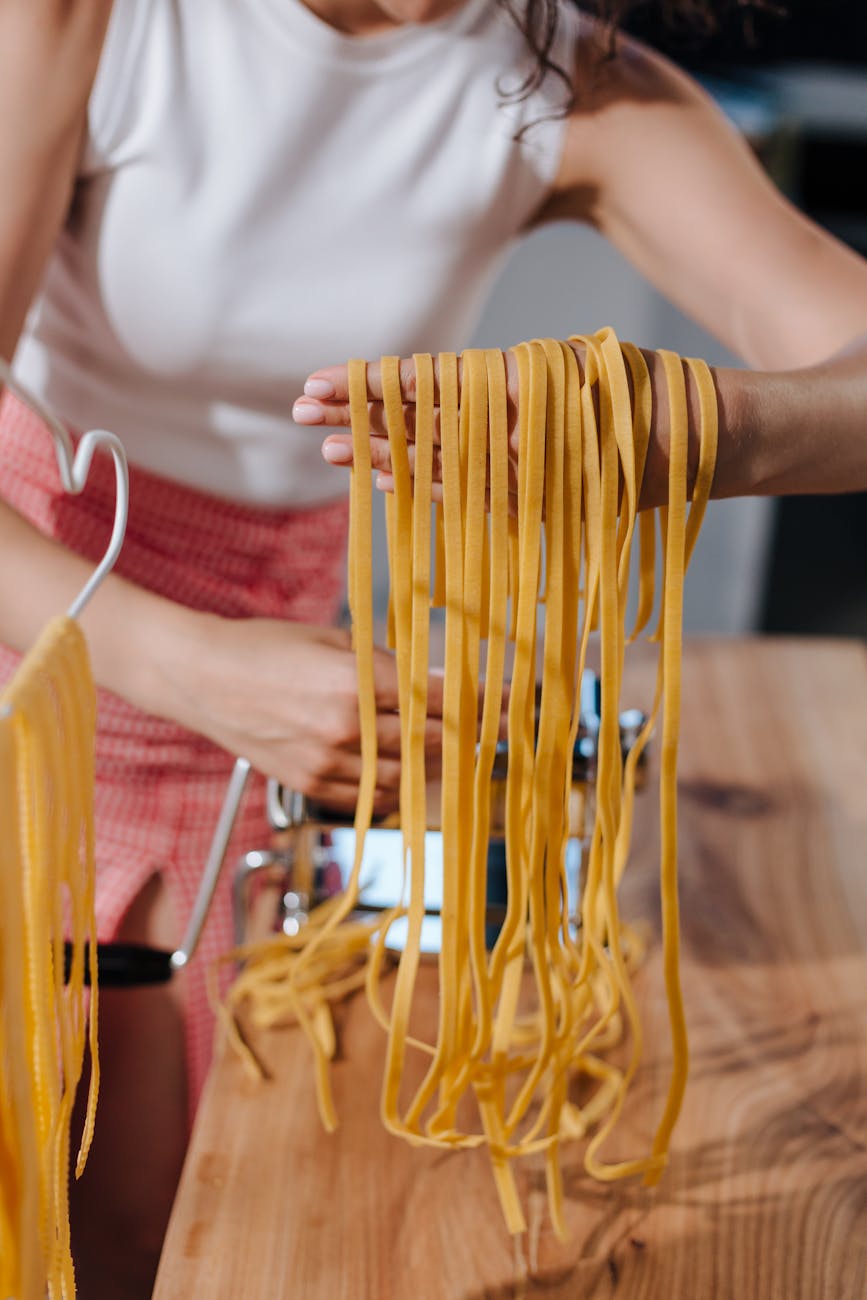
Photo by Gera Cejas
Collaboration Benefits in the Food Travel Space
Collaborating while traveling offers benefits for everyone involved. Food creators gain access to unique culinary experiences, while restaurants and destinations receive valuable exposure.
Yet partnerships require thoughtful planning. Research shows that as many as 70% of business partnerships ultimately fail. That statistic highlights how important it is to build collaborations around shared values, clear communication, and mutual benefits.
For travel bloggers working with restaurants or local tourism organizations, transparency is key. Setting expectations, such as content deliverables, timelines, and promotional goals, can help prevent misunderstandings and ensure the collaboration feels authentic.
When done right, these partnerships don’t feel like advertisements. Instead, they feel like stories told from the inside.
Food Stories That Travel Further
One of the biggest reasons food travel collaborations are becoming more common is the power of digital content.
Search engines have become a primary discovery tool for travelers planning where to eat. Research from Ahrefs suggests that SEO-focused content can generate more than 1,000% greater traffic than organic social media posts alone.
For food bloggers and travel writers, this means a well-written restaurant review or destination dining guide can continue attracting readers for years. A collaborative blog post about a traditional ramen shop in Tokyo or a seafood market in Lisbon may appear in search results whenever someone plans a trip to those cities.
When restaurants or tourism boards work with creators who understand SEO storytelling, the result is long-term visibility rather than short-lived promotional posts.
Social Media and Food Discovery
While search engines drive long-term traffic, social media remains one of the most powerful tools for food inspiration.
According to TouchBistro, 67% of Millennials and Gen Z rely on social media when deciding where to eat. That means a single photo, reel, or short video can influence dining choices for a large portion of younger travelers.
This is why collaborative food content often blends both strategies. A travel blogger might create:
A visually engaging Instagram reel of a chef preparing a local specialty
A detailed blog post explaining the history of the dish
A short video interview with the restaurant owner
Together, these formats allow the story to reach audiences on multiple platforms.
For restaurants, this approach turns a simple meal into a multi-layered marketing opportunity. For travelers, it offers a deeper connection to the destination.
Building Meaningful Travel Collaborations
Successful food travel partnerships don’t start with sponsorship requests, they start with genuine curiosity.
Creators who approach collaborations with respect for local culture and cuisine often build the strongest relationships. Instead of simply reviewing a restaurant, they ask questions:
How did this recipe originate?
What local ingredients define the dish?
What role does this food play in the community?
These conversations can turn a meal into a cultural narrative worth sharing.
Another powerful form of collaboration is creator-to-creator partnerships. When two travel bloggers from different countries explore a destination together, they bring multiple audiences into the experience.
One creator might focus on photography, while another documents the cultural history behind the cuisine. The result is richer content that highlights the destination from multiple perspectives.
Turning Meals Into Global Stories
Dining around the world is no longer just about satisfying hunger—it’s about storytelling, connection, and discovery. Through collaborations, food travelers are building bridges between cultures, kitchens, and communities.
A solo traveler tasting a dish in a small café can spark curiosity in readers thousands of miles away. When that experience is shared through thoughtful partnerships, with chefs, restaurants, tourism groups, and fellow creators, the story grows even larger.
The future of travel content lies in these shared experiences. By combining personal exploration with collaborative storytelling, food bloggers can transform simple meals into global journeys, one plate at a time.


For many travelers, food is the most memorable part of the journey. A steaming bowl of noodles from a street vendor in Bangkok, handmade pasta in a quiet Italian village, or a perfectly spiced taco from a family-owned stand in Mexico can tell stories about culture, history, and people. Traditionally, many travel bloggers started these discoveries as solo adventures – one traveler, one plate, one story at a time.
But today, those solo food journeys are evolving into something bigger: travel collaborations. Content creators, restaurants, tourism boards, and fellow travelers are working together to turn individual dining experiences into shared storytelling that reaches audiences around the world.
From Solo Exploration to Shared Experiences
Solo food travel has always had a certain magic. When you dine alone in a new city, you’re more likely to talk to the chef, the server, or the person sitting next to you. These spontaneous conversations often lead to unexpected discoveries, hidden menus, local favorites, or the backstory behind a dish.
However, in the digital age, these moments don’t have to remain personal memories. With blogs, video platforms, and social media, a single meal can become content that inspires thousands of others to visit the same place.
That’s where collaboration enters the picture. Instead of documenting meals independently, travel bloggers are partnering with local businesses, fellow creators, and tourism organizations to amplify their experiences. These collaborations transform one person’s dining story into a wider cultural exchange.
Collaboration Benefits in the Food Travel Space
Collaborating while traveling offers benefits for everyone involved. Food creators gain access to unique culinary experiences, while restaurants and destinations receive valuable exposure.
Yet partnerships require thoughtful planning. Research shows that as many as 70% of business partnerships ultimately fail. That statistic highlights how important it is to build collaborations around shared values, clear communication, and mutual benefits.
For travel bloggers working with restaurants or local tourism organizations, transparency is key. Setting expectations, such as content deliverables, timelines, and promotional goals, can help prevent misunderstandings and ensure the collaboration feels authentic.
When done right, these partnerships don’t feel like advertisements. Instead, they feel like stories told from the inside.
Food Stories That Travel Further
One of the biggest reasons food travel collaborations are becoming more common is the power of digital content.
Search engines have become a primary discovery tool for travelers planning where to eat. Research from Ahrefs suggests that SEO-focused content can generate more than 1,000% greater traffic than organic social media posts alone.
For food bloggers and travel writers, this means a well-written restaurant review or destination dining guide can continue attracting readers for years. A collaborative blog post about a traditional ramen shop in Tokyo or a seafood market in Lisbon may appear in search results whenever someone plans a trip to those cities.
When restaurants or tourism boards work with creators who understand SEO storytelling, the result is long-term visibility rather than short-lived promotional posts.
Social Media and Food Discovery
While search engines drive long-term traffic, social media remains one of the most powerful tools for food inspiration.
According to TouchBistro, 67% of Millennials and Gen Z rely on social media when deciding where to eat. That means a single photo, reel, or short video can influence dining choices for a large portion of younger travelers.
This is why collaborative food content often blends both strategies. A travel blogger might create:
Together, these formats allow the story to reach audiences on multiple platforms.
For restaurants, this approach turns a simple meal into a multi-layered marketing opportunity. For travelers, it offers a deeper connection to the destination.
Building Meaningful Travel Collaborations
Successful food travel partnerships don’t start with sponsorship requests, they start with genuine curiosity.
Creators who approach collaborations with respect for local culture and cuisine often build the strongest relationships. Instead of simply reviewing a restaurant, they ask questions:
These conversations can turn a meal into a cultural narrative worth sharing.
Another powerful form of collaboration is creator-to-creator partnerships. When two travel bloggers from different countries explore a destination together, they bring multiple audiences into the experience.
One creator might focus on photography, while another documents the cultural history behind the cuisine. The result is richer content that highlights the destination from multiple perspectives.
Turning Meals Into Global Stories
Dining around the world is no longer just about satisfying hunger—it’s about storytelling, connection, and discovery. Through collaborations, food travelers are building bridges between cultures, kitchens, and communities.
A solo traveler tasting a dish in a small café can spark curiosity in readers thousands of miles away. When that experience is shared through thoughtful partnerships, with chefs, restaurants, tourism groups, and fellow creators, the story grows even larger.
The future of travel content lies in these shared experiences. By combining personal exploration with collaborative storytelling, food bloggers can transform simple meals into global journeys, one plate at a time.
Share this:
Like this: