Have you ever looked at your garage and thought it could be doing a lot more than just holding boxes you haven’t touched in years?
For many homeowners, that space slowly becomes less about parking and more about overflow – seasonal items, forgotten furniture, things that don’t quite fit anywhere else. But at some point, the question shifts from storage to potential. What could this space actually become if it were designed with intention?
In places like Prescott, where expanding your home outward isn’t always practical, converting existing square footage starts to feel like a smarter, more flexible option. It’s not just about adding space, it’s about reshaping how your home works for your life right now. And the interesting part is that people aren’t just converting garages for one reason; they’re doing it for very different, very personal uses.
Below are 5 ways people are actually using garage conversions, and how those choices tend to take shape.
1. Turning It Into a Private Guest Suite
When guests stay longer than a weekend, shared living spaces start to feel the strain, interrupted routines, limited privacy, and that unspoken tension no one wants to address.
That’s exactly when homeowners in Prescott begin searching for garage conversion contractors near me in Prescott who specialize in more than just framing walls. They want someone who understands what makes a guest suite actually functional: a private entrance, an en-suite bathroom, proper insulation, and natural light that makes the space feel welcoming rather than like a repurposed space.
The difference between a livable suite and a renovated storage room comes down to planning. Experienced teams at firms like Able & Ready, LLC, evaluate structural load points, utility routing, and Prescott’s local building codes before a single nail goes in, so the result feels intentional, not improvised. When the project is done right, it doesn’t just solve a short-term guest problem. It adds lasting value to your home.
Working from the dining table or bedroom corner can start to feel unsustainable over time. The challenge isn’t just about space—it’s about separation, especially when work and personal life begin blending into each other.
Converting a garage into a home office offers a way to establish that boundary without needing to restructure the entire house. Once people start exploring the idea, the focus quickly shifts toward soundproofing, insulation, and maintaining a comfortable environment throughout the day.
Design decisions here tend to focus on functionality rather than aesthetics alone, with attention to lighting, storage, and minimizing distractions. It’s less about building something new and more about carving out a space that supports focus in a way the rest of the home might not. That shift can quietly improve daily routines, making work feel more contained and less intrusive.
3. Designing a Rental or Income Space
Unused space sitting idle can start to feel like a missed opportunity. That realization usually comes when homeowners begin thinking about long-term financial flexibility or ways to offset housing costs.
A garage conversion can be converted into a small rental unit, offering a separate living space that generates income without requiring a new structure. At that stage, the planning process becomes more detail-oriented, especially around local regulations, permits, and ensuring the unit meets basic living standards.
Layout decisions lean toward efficiency, compact kitchens, multi-use areas, and thoughtful storage, so the space feels complete despite its size. There’s also a shift toward privacy, ensuring both the homeowner and tenant have clearly defined boundaries. When done thoughtfully, the result feels less like an add-on and more like a purpose-built living unit with its own rhythm.
4. Building a Personal Fitness or Wellness Space
Finding time to go to the gym regularly can be harder than it sounds. Schedules, travel time, and consistency all start to play a role, which is why some homeowners look inward, literally, at the space they already have.
Converting a garage into a workout or wellness area creates a level of accessibility that external options can’t always match. As the idea develops, considerations shift toward flooring, ventilation, and the space’s ability to accommodate a range of activities.
It’s not just about equipment placement; it’s about creating an environment that feels motivating and comfortable enough to use consistently. Whether it’s strength training, yoga, or a mix of both, the design tends to reflect personal habits rather than a generic gym setup. Over time, that convenience can make staying active feel less like a task and more like a natural part of the day.
5. Expanding Into a Family or Entertainment Room
Living areas can start to feel cramped as routines and needs evolve. This usually becomes noticeable during gatherings or even everyday downtime, when there simply isn’t enough room to spread out comfortably.
Converting a garage into a family room or entertainment space offers a way to expand without altering the home’s main structure. Once the idea takes hold, attention turns toward making the space feel cohesive – matching flooring, integrating lighting, and ensuring it doesn’t feel disconnected from the rest of the house.
The goal isn’t just more space, but better flow, where movement between rooms feels natural rather than forced. Whether it’s used for movie nights, gaming, or just unwinding, the design leans toward flexibility so the room can adapt to different uses over time. That adaptability tends to make it one of the more versatile conversions people choose.
Conclusion
Garage conversions aren’t really about the garage itself, they’re about what’s missing inside the home. Whether it’s privacy, functionality, or simply more room to breathe, the decision usually starts with a small frustration that gradually becomes harder to ignore.
What stands out is how differently people use the same space once they start rethinking it. There’s no single outcome or “right” way to convert a garage, just a series of decisions shaped by lifestyle, priorities, and how a home is meant to function day-to-day. Once that perspective shifts, the garage stops being leftover space, and starts becoming one of the most adaptable parts of the house.


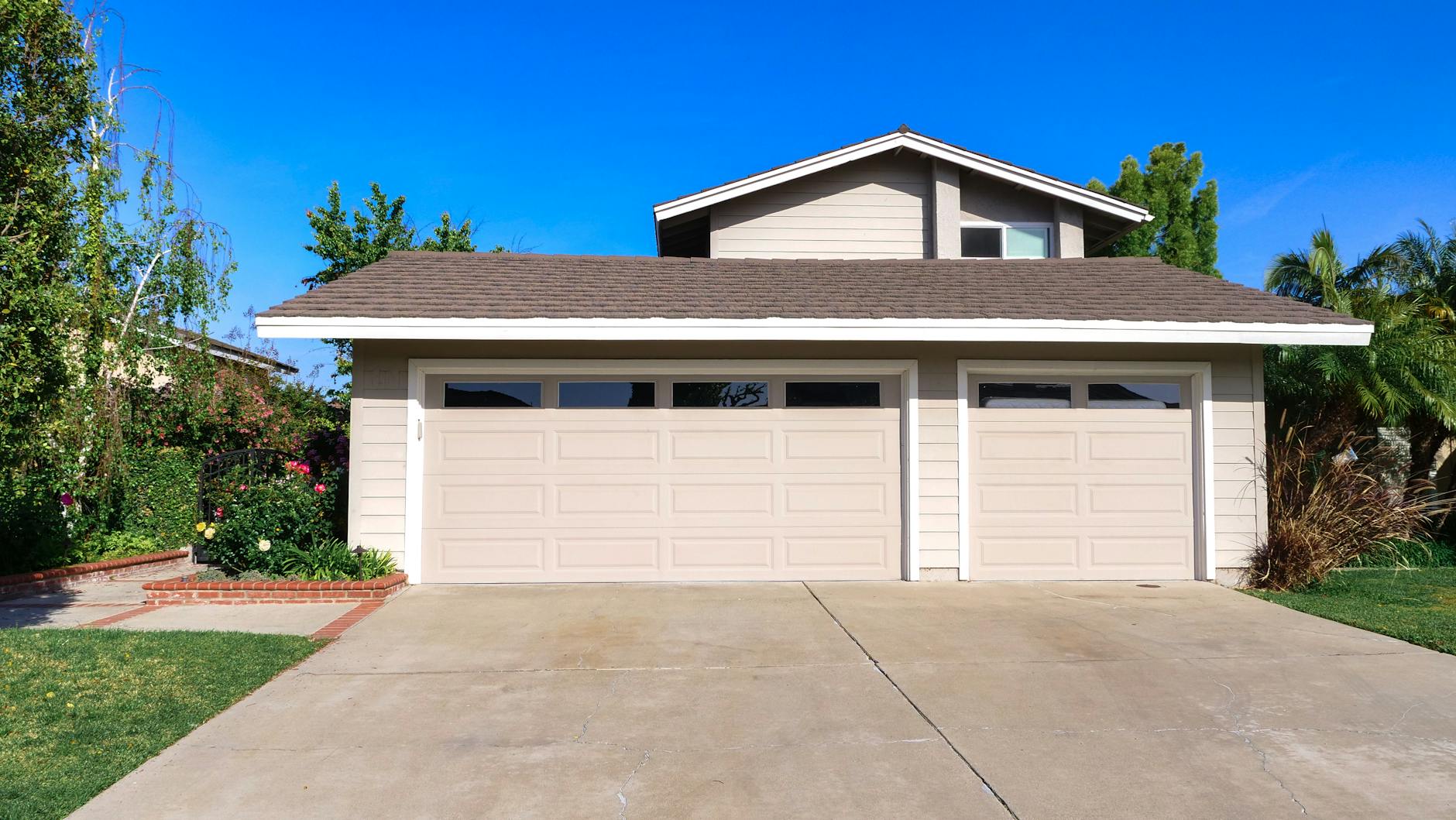
Have you ever looked at your garage and thought it could be doing a lot more than just holding boxes you haven’t touched in years?
For many homeowners, that space slowly becomes less about parking and more about overflow – seasonal items, forgotten furniture, things that don’t quite fit anywhere else. But at some point, the question shifts from storage to potential. What could this space actually become if it were designed with intention?
In places like Prescott, where expanding your home outward isn’t always practical, converting existing square footage starts to feel like a smarter, more flexible option. It’s not just about adding space, it’s about reshaping how your home works for your life right now. And the interesting part is that people aren’t just converting garages for one reason; they’re doing it for very different, very personal uses.
Below are 5 ways people are actually using garage conversions, and how those choices tend to take shape.
1. Turning It Into a Private Guest Suite
When guests stay longer than a weekend, shared living spaces start to feel the strain, interrupted routines, limited privacy, and that unspoken tension no one wants to address.
That’s exactly when homeowners in Prescott begin searching for garage conversion contractors near me in Prescott who specialize in more than just framing walls. They want someone who understands what makes a guest suite actually functional: a private entrance, an en-suite bathroom, proper insulation, and natural light that makes the space feel welcoming rather than like a repurposed space.
The difference between a livable suite and a renovated storage room comes down to planning. Experienced teams at firms like Able & Ready, LLC, evaluate structural load points, utility routing, and Prescott’s local building codes before a single nail goes in, so the result feels intentional, not improvised. When the project is done right, it doesn’t just solve a short-term guest problem. It adds lasting value to your home.
2. Creating a Dedicated Home Office
Working from the dining table or bedroom corner can start to feel unsustainable over time. The challenge isn’t just about space—it’s about separation, especially when work and personal life begin blending into each other.
Converting a garage into a home office offers a way to establish that boundary without needing to restructure the entire house. Once people start exploring the idea, the focus quickly shifts toward soundproofing, insulation, and maintaining a comfortable environment throughout the day.
Design decisions here tend to focus on functionality rather than aesthetics alone, with attention to lighting, storage, and minimizing distractions. It’s less about building something new and more about carving out a space that supports focus in a way the rest of the home might not. That shift can quietly improve daily routines, making work feel more contained and less intrusive.
3. Designing a Rental or Income Space
Unused space sitting idle can start to feel like a missed opportunity. That realization usually comes when homeowners begin thinking about long-term financial flexibility or ways to offset housing costs.
A garage conversion can be converted into a small rental unit, offering a separate living space that generates income without requiring a new structure. At that stage, the planning process becomes more detail-oriented, especially around local regulations, permits, and ensuring the unit meets basic living standards.
Layout decisions lean toward efficiency, compact kitchens, multi-use areas, and thoughtful storage, so the space feels complete despite its size. There’s also a shift toward privacy, ensuring both the homeowner and tenant have clearly defined boundaries. When done thoughtfully, the result feels less like an add-on and more like a purpose-built living unit with its own rhythm.
4. Building a Personal Fitness or Wellness Space
Finding time to go to the gym regularly can be harder than it sounds. Schedules, travel time, and consistency all start to play a role, which is why some homeowners look inward, literally, at the space they already have.
Converting a garage into a workout or wellness area creates a level of accessibility that external options can’t always match. As the idea develops, considerations shift toward flooring, ventilation, and the space’s ability to accommodate a range of activities.
It’s not just about equipment placement; it’s about creating an environment that feels motivating and comfortable enough to use consistently. Whether it’s strength training, yoga, or a mix of both, the design tends to reflect personal habits rather than a generic gym setup. Over time, that convenience can make staying active feel less like a task and more like a natural part of the day.
5. Expanding Into a Family or Entertainment Room
Living areas can start to feel cramped as routines and needs evolve. This usually becomes noticeable during gatherings or even everyday downtime, when there simply isn’t enough room to spread out comfortably.
Converting a garage into a family room or entertainment space offers a way to expand without altering the home’s main structure. Once the idea takes hold, attention turns toward making the space feel cohesive – matching flooring, integrating lighting, and ensuring it doesn’t feel disconnected from the rest of the house.
The goal isn’t just more space, but better flow, where movement between rooms feels natural rather than forced. Whether it’s used for movie nights, gaming, or just unwinding, the design leans toward flexibility so the room can adapt to different uses over time. That adaptability tends to make it one of the more versatile conversions people choose.
Conclusion
Garage conversions aren’t really about the garage itself, they’re about what’s missing inside the home. Whether it’s privacy, functionality, or simply more room to breathe, the decision usually starts with a small frustration that gradually becomes harder to ignore.
What stands out is how differently people use the same space once they start rethinking it. There’s no single outcome or “right” way to convert a garage, just a series of decisions shaped by lifestyle, priorities, and how a home is meant to function day-to-day. Once that perspective shifts, the garage stops being leftover space, and starts becoming one of the most adaptable parts of the house.
Share this:
Like this: