Fitness trends come and go fast. One month, everyone is talking about the hardest workout in the room. A little later, nobody mentions it. Controlled resistance training has stuck around for a different reason. It does not rely on hype as much as it relies on how the body actually feels during and after the workout.
A lot of people are not looking for more chaos. They are looking for something that works. They want to feel stronger. They want a routine that challenges them without turning every session into a test of survival. That is a big part of why this style of training keeps pulling in such a wide mix of people.
Why It Clicks With So Many Different People
Not everybody wants the same workout, but a lot of people do want the same basic things from exercise. They want to move better. They want to build strength. They want to feel like the time they spent training actually counted.
Controlled resistance training tends to land well because it gives people the opportunity, without asking them to throw themselves around. The effort is there, but it feels more deliberate. A slower rep can suddenly feel much tougher than a fast one. A hold can humble someone very quickly. The challenge is real, just quieter.
That is part of why the style works across different fitness levels. Pilates can suit all ages and fitness levels. A beginner can use it to learn how to move with more awareness. Someone more advanced can use the same approach to make familiar exercises much harder. It does not box people into one level for very long.
Why Slowing Down Changes Everything
A lot of workouts lose quality when the pace takes over. Once people start rushing, form usually goes first. Then control starts slipping. Then the session becomes more about getting through the reps than actually feeling them.
Slowing things down has a way of exposing that. It asks for more attention. It also makes it harder to hide behind momentum. That is why controlled resistance training often feels more demanding than it looks. The body has to stay honest throughout the whole movement.
That can be frustrating at first, but in a useful way. People start noticing where they are stable and where they are not. They notice when one side is working harder.
Why Reformer Work Makes Sense In This Conversation
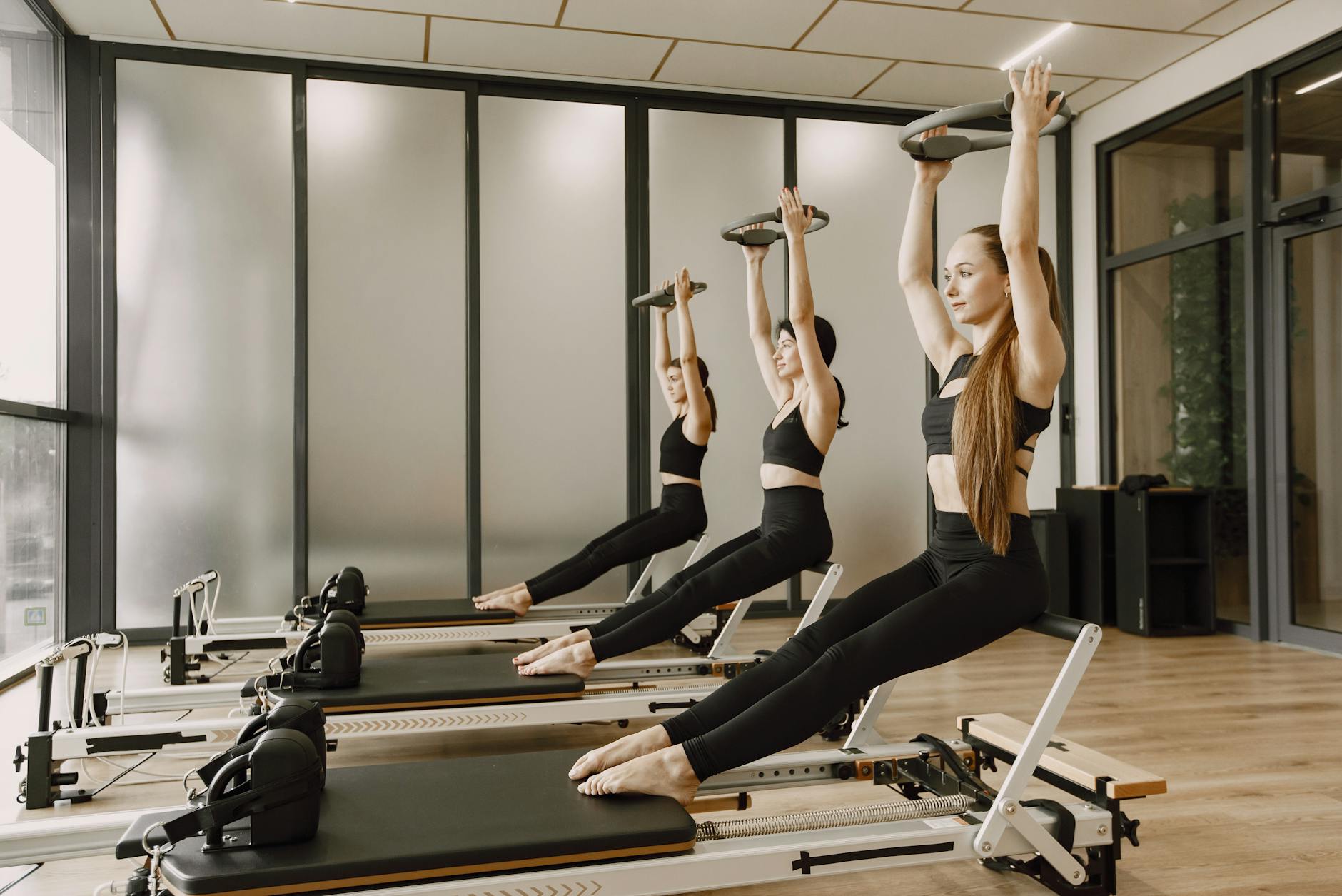
Reformer training fits naturally here because it already asks for many of the same things. The movement has to stay controlled. Pilates can support posture, flexibility, muscle tone, and strength. The resistance is there, but it only works well when the person does too. Springs can add challenge fast, but they also punish sloppy movement. That is part of the appeal.
It is also one of the reasons reformer-based training works for different kinds of people. Somebody new can start with simpler movements and learn how to organise the body better.
For people who want practical examples, these beginner pilates reformer exercises show how one training style can be adapted for very different levels without making the whole system feel complicated.
Low Impact Gets Underestimated All The Time
A lot of people still hear “low impact” and think “easy.” That is usually the wrong assumption. Low impact only tells part of the story. It says something about how the body is loading. It does not tell you how hard the muscles are working.
That is why controlled resistance training catches people off guard. It can feel hard very quickly. Not because of jumping or pounding, but because tension builds and stays there. The body keeps working. The movement stays precise. Suddenly, a simple set feels much longer than expected.
Why Beginners Often Do Better With This Style
Starting anything new can be awkward. Exercise is no different. A lot of beginners do not need more intensity right away. They need a way to learn what they are doing without feeling lost or thrown into the deep end.
That is where controlled resistance training tends to help. It gives people more time inside the movement. They can notice what is happening. They can correct things as they go. They can build confidence without feeling like they are constantly behind.
That matters because early experiences tend to shape what happens next. If the first few workouts feel overwhelming, people often assume the problem is them. If the training feels challenging but still manageable, they are much more likely to keep going.
Why Experienced People Still Come Back To It
More experience does not make control less important. Usually, it does the opposite. People who have trained for a while often realise that not every workout needs more speed, more reps, or more noise. Sometimes what they need is a better way to make the work harder.
Controlled resistance does that well. It gives experienced people more ways to create difficulty without making the session messy. Slower reps, longer holds, less rest, stronger resistance. None of that looks extreme from the outside, but it can feel brutal when done properly.
That is why this style keeps showing up in more serious training spaces, too. It is not just for people easing in. It is also for people who already know that good training does not always have to look dramatic.
Why It Keeps Making Sense
Some fitness ideas sound exciting for a while, then fall apart once everyday life gets involved. Controlled resistance training tends to do the opposite. The more people understand it, the more useful it starts to look.
It works for beginners because it teaches control without rushing them. It works for advanced users because it makes simple things harder in the right way. It works for busy people because it feels easier to recover from and easier to return to.
That is probably why it keeps growing. Not because it is the loudest option, but because it is one of the few that feels realistic enough to last.


Fitness trends come and go fast. One month, everyone is talking about the hardest workout in the room. A little later, nobody mentions it. Controlled resistance training has stuck around for a different reason. It does not rely on hype as much as it relies on how the body actually feels during and after the workout.
A lot of people are not looking for more chaos. They are looking for something that works. They want to feel stronger. They want a routine that challenges them without turning every session into a test of survival. That is a big part of why this style of training keeps pulling in such a wide mix of people.
Why It Clicks With So Many Different People
Not everybody wants the same workout, but a lot of people do want the same basic things from exercise. They want to move better. They want to build strength. They want to feel like the time they spent training actually counted.
Controlled resistance training tends to land well because it gives people the opportunity, without asking them to throw themselves around. The effort is there, but it feels more deliberate. A slower rep can suddenly feel much tougher than a fast one. A hold can humble someone very quickly. The challenge is real, just quieter.
That is part of why the style works across different fitness levels. Pilates can suit all ages and fitness levels. A beginner can use it to learn how to move with more awareness. Someone more advanced can use the same approach to make familiar exercises much harder. It does not box people into one level for very long.
Why Slowing Down Changes Everything
A lot of workouts lose quality when the pace takes over. Once people start rushing, form usually goes first. Then control starts slipping. Then the session becomes more about getting through the reps than actually feeling them.
Slowing things down has a way of exposing that. It asks for more attention. It also makes it harder to hide behind momentum. That is why controlled resistance training often feels more demanding than it looks. The body has to stay honest throughout the whole movement.
That can be frustrating at first, but in a useful way. People start noticing where they are stable and where they are not. They notice when one side is working harder.
Why Reformer Work Makes Sense In This Conversation
Reformer training fits naturally here because it already asks for many of the same things. The movement has to stay controlled. Pilates can support posture, flexibility, muscle tone, and strength. The resistance is there, but it only works well when the person does too. Springs can add challenge fast, but they also punish sloppy movement. That is part of the appeal.
It is also one of the reasons reformer-based training works for different kinds of people. Somebody new can start with simpler movements and learn how to organise the body better.
For people who want practical examples, these beginner pilates reformer exercises show how one training style can be adapted for very different levels without making the whole system feel complicated.
Low Impact Gets Underestimated All The Time
A lot of people still hear “low impact” and think “easy.” That is usually the wrong assumption. Low impact only tells part of the story. It says something about how the body is loading. It does not tell you how hard the muscles are working.
That is why controlled resistance training catches people off guard. It can feel hard very quickly. Not because of jumping or pounding, but because tension builds and stays there. The body keeps working. The movement stays precise. Suddenly, a simple set feels much longer than expected.
Why Beginners Often Do Better With This Style
Starting anything new can be awkward. Exercise is no different. A lot of beginners do not need more intensity right away. They need a way to learn what they are doing without feeling lost or thrown into the deep end.
That is where controlled resistance training tends to help. It gives people more time inside the movement. They can notice what is happening. They can correct things as they go. They can build confidence without feeling like they are constantly behind.
That matters because early experiences tend to shape what happens next. If the first few workouts feel overwhelming, people often assume the problem is them. If the training feels challenging but still manageable, they are much more likely to keep going.
Why Experienced People Still Come Back To It
More experience does not make control less important. Usually, it does the opposite. People who have trained for a while often realise that not every workout needs more speed, more reps, or more noise. Sometimes what they need is a better way to make the work harder.
Controlled resistance does that well. It gives experienced people more ways to create difficulty without making the session messy. Slower reps, longer holds, less rest, stronger resistance. None of that looks extreme from the outside, but it can feel brutal when done properly.
That is why this style keeps showing up in more serious training spaces, too. It is not just for people easing in. It is also for people who already know that good training does not always have to look dramatic.
Why It Keeps Making Sense
Some fitness ideas sound exciting for a while, then fall apart once everyday life gets involved. Controlled resistance training tends to do the opposite. The more people understand it, the more useful it starts to look.
It works for beginners because it teaches control without rushing them. It works for advanced users because it makes simple things harder in the right way. It works for busy people because it feels easier to recover from and easier to return to.
That is probably why it keeps growing. Not because it is the loudest option, but because it is one of the few that feels realistic enough to last.
Share this:
Like this: