Parents play a crucial role in supporting children with Autism Spectrum Disorder (ASD) through at-home therapy. Incorporating sensory play into daily routines can greatly benefit a child’s development and well-being. Sensory activities provide opportunities for children with autism to explore their environment, improve communication skills, and regulate their emotions.
Consistent at-home autism therapy through sensory play supports skill improvement. Sensory play can be easily integrated into everyday activities, making it accessible for parents to implement at home. Simple activities—such as playing with textured materials, creating sensory bins, or engaging in physical exercises—can stimulate a child’s senses and promote learning. Incorporating additional educational support, including online tutoring, helps reinforce learning and complements sensory-based routines. By consistently using these approaches, parents can help their children develop better sensory processing skills and improve their overall functioning. This guide is intended for educational purposes only and should not be considered medical advice. For specific health concerns, always consult a healthcare professional.
Key Takeaways
Sensory play enhances development and emotional regulation for children with ASD
Understanding Sensory Play and Its Role in Autism Therapy
Sensory play is a crucial component of autism therapy, addressing sensory processing challenges and promoting development. It involves engaging the senses through targeted activities, helping children with autism better integrate sensory information.
Essentials of Sensory Integration
Sensory integration refers to the brain’s ability to organize and interpret information from the senses. For children with autism, this process can be disrupted, leading to difficulties in daily functioning. Sensory Integration Therapy aims to improve this process through structured, sensory-rich activities.
Key aspects of sensory integration include:
Proprioception (body awareness)
Vestibular sense (balance and movement)
Tactile processing (touch sensitivity)
Visual and auditory processing
Occupational therapists often use specialized equipment and techniques to target specific sensory systems. These may include swings, textured materials, and obstacle courses.
Benefits of Sensory Play for Children with Autism
Sensory play offers numerous advantages for children on the autism spectrum:
Improved sensory processing
Enhanced social skills
Increased attention span
Better motor skill development
Reduced anxiety and stress
By engaging in sensory activities, children can learn to regulate their responses to sensory input. This can lead to improved behavior and easier participation in daily activities. Sensory play also supports language development and cognitive skills. As children explore different textures, sounds, and movements, they build vocabulary and problem-solving abilities.
Identifying Sensory Needs and Challenges
Recognizing a child’s unique sensory profile is essential for effective therapy. Common sensory challenges in autism include:
Hypersensitivity (over-responsiveness to stimuli)
Hyposensitivity (under-responsiveness to stimuli)
Sensory seeking behaviors
Difficulty with sensory discrimination
Parents and therapists can use observation and standardized assessments to identify specific sensory needs. This information guides the creation of tailored sensory activities and environments.
Signs of sensory processing issues may include:
Extreme reactions to certain textures, sounds, or lights
Constant movement or fidgeting
Avoidance of certain activities or environments
Difficulty with coordination or balance
Addressing these challenges through targeted sensory play can significantly improve a child’s quality of life and ability to engage with their surroundings.
Practical Strategies for Incorporating Sensory Play at Home
Parents can create a sensory-rich environment and integrate sensory activities into daily routines to support their child’s development. Consistency and patience are key when implementing these strategies.
Creating a Sensory-Friendly Home Environment
Designate a specific area in the home for sensory play. This space should be calm, organized, and free from overwhelming stimuli. Use soft lighting and neutral colors to create a soothing atmosphere. Incorporate comfortable seating options like bean bags or cushions.
Install visual supports such as picture schedules to help children understand daily routines. Use labels and organizers to keep sensory materials easily accessible. Consider adding a small trampoline or swing for movement breaks.
Minimize background noise and provide noise-cancelling headphones if needed. Use blackout curtains to control light levels. Create quiet zones for relaxation and self-regulation.
Designing Effective Sensory Activities and Bins
Develop a variety of sensory bins tailored to your child’s interests and needs. Fill containers with materials like rice, beans, or sand. Add small toys or objects for exploration and fine motor skill practice.
Create tactile experiences with different textures:
Smooth: glass marbles, polished stones
Rough: sandpaper, pine cones
Soft: cotton balls, feathers
Incorporate proprioceptive activities:
Heavy work: pushing a laundry basket, carrying groceries
Resistance play: stretching bands, tug-of-war
Design visual sensory activities using light tables, kaleidoscopes, or color-sorting games. Include auditory elements with musical instruments or sound tubes.
Integrating Sensory Play into Daily Activities
Embed sensory experiences into everyday routines. During bath time, provide different textures of sponges and water toys. At mealtime, offer a variety of food textures and temperatures.
Incorporate movement breaks throughout the day:
Jumping jacks before homework
Wall push-ups between tasks
Animal walks while tidying up
Use sensory strategies to support transitions. Provide deep pressure hugs or use a weighted lap pad during seated activities. Offer fidget toys or stress balls for calming input.
Engage in sensory-rich outdoor activities like gardening, sand play, or water games. Create obstacle courses to challenge gross motor skills and provide vestibular input.
Sensory play is a powerful tool for parents to support autism therapy at home. By incorporating sensory activities into daily routines, children can develop crucial skills and better regulate their sensory experiences. Consistency and patience are key when implementing these strategies.
Creating a sensory-friendly environment and tailoring activities to a child’s specific needs can maximize the benefits of sensory play. With dedication and the right approach, parents can make a significant positive impact on their child’s development through sensory integration therapy at home.


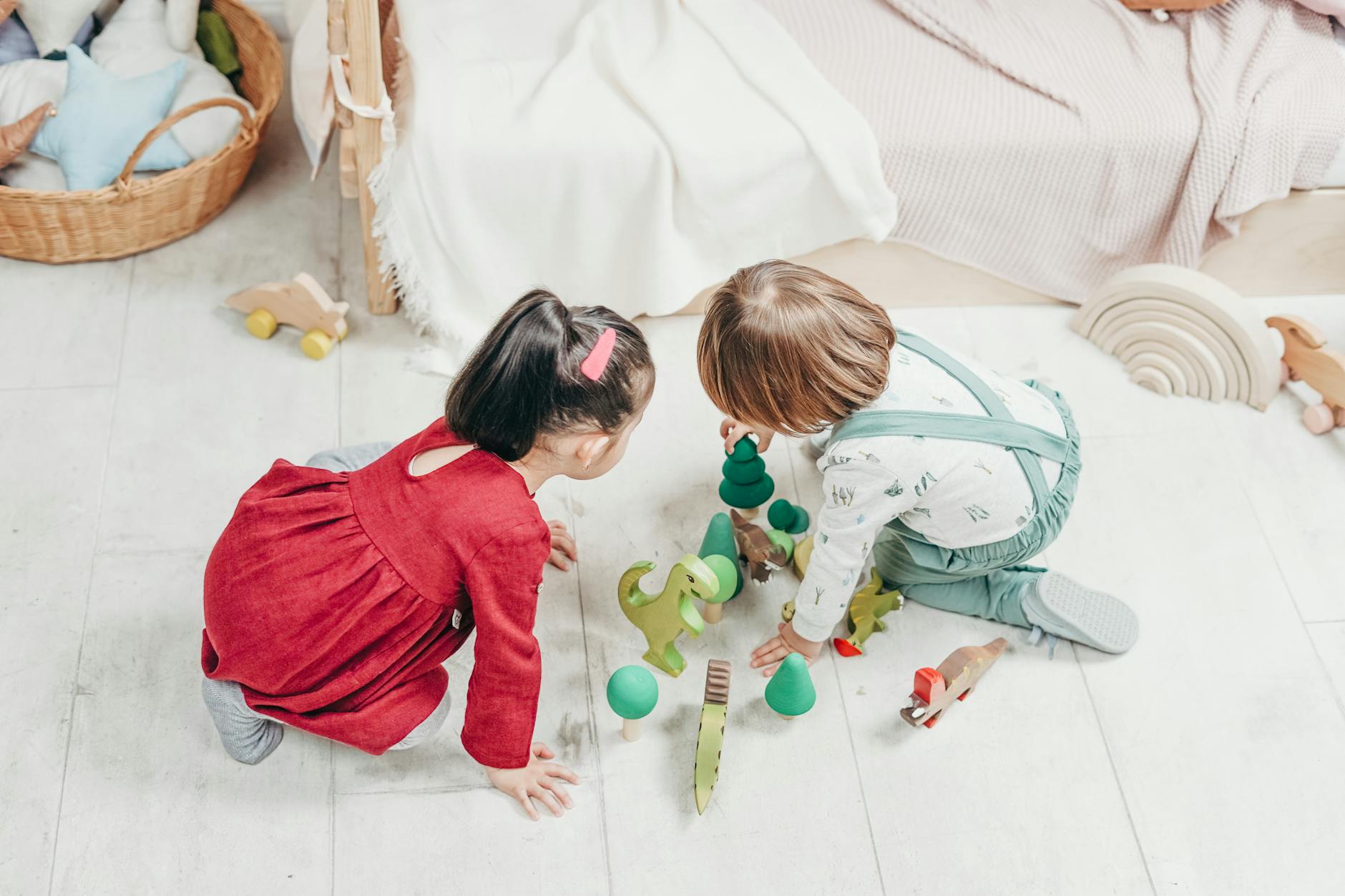
Parents play a crucial role in supporting children with Autism Spectrum Disorder (ASD) through at-home therapy. Incorporating sensory play into daily routines can greatly benefit a child’s development and well-being. Sensory activities provide opportunities for children with autism to explore their environment, improve communication skills, and regulate their emotions.
Consistent at-home autism therapy through sensory play supports skill improvement. Sensory play can be easily integrated into everyday activities, making it accessible for parents to implement at home. Simple activities—such as playing with textured materials, creating sensory bins, or engaging in physical exercises—can stimulate a child’s senses and promote learning. Incorporating additional educational support, including online tutoring, helps reinforce learning and complements sensory-based routines. By consistently using these approaches, parents can help their children develop better sensory processing skills and improve their overall functioning. This guide is intended for educational purposes only and should not be considered medical advice. For specific health concerns, always consult a healthcare professional.
Key Takeaways
Understanding Sensory Play and Its Role in Autism Therapy
Sensory play is a crucial component of autism therapy, addressing sensory processing challenges and promoting development. It involves engaging the senses through targeted activities, helping children with autism better integrate sensory information.
Essentials of Sensory Integration
Sensory integration refers to the brain’s ability to organize and interpret information from the senses. For children with autism, this process can be disrupted, leading to difficulties in daily functioning. Sensory Integration Therapy aims to improve this process through structured, sensory-rich activities.
Key aspects of sensory integration include:
Occupational therapists often use specialized equipment and techniques to target specific sensory systems. These may include swings, textured materials, and obstacle courses.
Benefits of Sensory Play for Children with Autism
Sensory play offers numerous advantages for children on the autism spectrum:
By engaging in sensory activities, children can learn to regulate their responses to sensory input. This can lead to improved behavior and easier participation in daily activities. Sensory play also supports language development and cognitive skills. As children explore different textures, sounds, and movements, they build vocabulary and problem-solving abilities.
Identifying Sensory Needs and Challenges
Recognizing a child’s unique sensory profile is essential for effective therapy. Common sensory challenges in autism include:
Parents and therapists can use observation and standardized assessments to identify specific sensory needs. This information guides the creation of tailored sensory activities and environments.
Signs of sensory processing issues may include:
Addressing these challenges through targeted sensory play can significantly improve a child’s quality of life and ability to engage with their surroundings.
Practical Strategies for Incorporating Sensory Play at Home
Parents can create a sensory-rich environment and integrate sensory activities into daily routines to support their child’s development. Consistency and patience are key when implementing these strategies.
Creating a Sensory-Friendly Home Environment
Designate a specific area in the home for sensory play. This space should be calm, organized, and free from overwhelming stimuli. Use soft lighting and neutral colors to create a soothing atmosphere. Incorporate comfortable seating options like bean bags or cushions.
Install visual supports such as picture schedules to help children understand daily routines. Use labels and organizers to keep sensory materials easily accessible. Consider adding a small trampoline or swing for movement breaks.
Minimize background noise and provide noise-cancelling headphones if needed. Use blackout curtains to control light levels. Create quiet zones for relaxation and self-regulation.
Designing Effective Sensory Activities and Bins
Develop a variety of sensory bins tailored to your child’s interests and needs. Fill containers with materials like rice, beans, or sand. Add small toys or objects for exploration and fine motor skill practice.
Create tactile experiences with different textures:
Incorporate proprioceptive activities:
Design visual sensory activities using light tables, kaleidoscopes, or color-sorting games. Include auditory elements with musical instruments or sound tubes.
Integrating Sensory Play into Daily Activities
Embed sensory experiences into everyday routines. During bath time, provide different textures of sponges and water toys. At mealtime, offer a variety of food textures and temperatures.
Incorporate movement breaks throughout the day:
Use sensory strategies to support transitions. Provide deep pressure hugs or use a weighted lap pad during seated activities. Offer fidget toys or stress balls for calming input.
Engage in sensory-rich outdoor activities like gardening, sand play, or water games. Create obstacle courses to challenge gross motor skills and provide vestibular input.
Sensory play is a powerful tool for parents to support autism therapy at home. By incorporating sensory activities into daily routines, children can develop crucial skills and better regulate their sensory experiences. Consistency and patience are key when implementing these strategies.
Creating a sensory-friendly environment and tailoring activities to a child’s specific needs can maximize the benefits of sensory play. With dedication and the right approach, parents can make a significant positive impact on their child’s development through sensory integration therapy at home.
Share this:
Like this: