Growing blueberries in pots is one of the easiest and most rewarding ways to enjoy homegrown fruit, even if you don’t have a backyard. But getting a healthy bush is one thing. Getting it to actually produce sweet, juicy berries? That takes a bit of know-how. Here’s how to grow blueberries in containers successfully and boost your chances of a real harvest, not just leafy disappointment.
Why Grow Blueberries in Pots?
Blueberries are naturally shallow-rooted, which makes them perfect for container growing. Pots also allow you to control key factors like soil acidity, drainage, and sunlight, three things blueberries care about deeply.
If you’ve struggled to grow them in the ground due to poor soil or unpredictable weather, a pot-grown bush gives you more flexibility. You can move it for better light, protect it from frost, and adjust the soil to get the perfect pH.
Choose the Right Blueberry Variety
Not all blueberries are created equal when it comes to containers. Look for dwarf or compact varieties that are bred for small spaces. Some of the best options include:
Blueberry Burst (Aussie favourite)
Jelly Bean
Sunshine Blue
Top Hat
Pink Icing
Make sure the variety you choose is self-pollinating or plant two compatible types for cross-pollination and better fruit yield.
Pick the Right Pot
Your blueberry bush will need space for its roots to spread and drain properly. Start with a pot that’s at least 40cm deep and 40–50cm wide. Terracotta, ceramic, or plastic pots all work, just make sure it has plenty of drainage holes.
Pro tip: Elevate your pot slightly off the ground using pot feet or bricks. This helps water drain and prevents root rot.
Use the Right Soil (This Matters)
This is where most people go wrong. Blueberries love acidic soil with a pH between 4.5 and 5.5. Regular potting mix won’t cut it. Look for a potting mix designed for acid-loving plants (like camellias or azaleas), or make your own with:
50% premium potting mix
40% composted pine bark or peat
10% perlite for drainage
Avoid using manure or lime-based composts, they’ll raise the pH and harm the plant.
Position It in Full Sun
Blueberries need at least 6 hours of direct sun each day to produce fruit. The more light, the better the yield. If you’re in a hot climate, position the pot where it gets morning sun and dappled afternoon shade. If you’re growing them indoors or on a shaded balcony, fruiting will be minimal unless you can supplement with a grow light.
Watering and Feeding
Blueberries like moist, well-drained soil. Keep the top few centimetres of soil consistently damp, especially during flowering and fruiting. But don’t overwater, soggy roots are a fast track to failure. Feed your plant with an acid-loving liquid fertiliser every two to three weeks during spring and summer. In autumn, stop feeding and let the plant wind down for its dormant phase.
Pruning for Growth and Fruit
Prune lightly in late winter or early spring to encourage new growth and remove any dead or weak branches. The goal is an open shape with good air flow. You want to direct energy to strong, fruit-bearing stems rather than tangled leaves. Don’t over-prune young plants in their first year, focus on shaping, not shrinking.
Protect the Fruit
Once your plant starts fruiting, birds and bugs will show up fast. Use netting to protect ripening berries, especially if you’re growing on a balcony or courtyard. A simple mesh cloche or garden net can make all the difference. Also, make sure your pot isn’t overcrowded, good airflow helps prevent fungal issues and keeps pests at bay.
Do Blueberries Fruit in the First Year?
It depends on the variety and how mature the plant was when you bought it. Most nursery blueberry plants take 1 to 2 years to fruit reliably. Don’t panic if you get flowers but no berries in year one, healthy root development comes first. If you’re patient, you’ll often get a much bigger harvest in year two or three, and many varieties will continue producing for years to come with the right care.
Winter Care for Potted Blueberries
In cold regions, blueberries in pots may need protection from frost. Move pots to a sheltered spot or wrap them in frost cloth or hessian. In warmer climates, just reduce watering during dormancy. Your bush may lose its leaves in winter, that’s totally normal. Let it rest, and it’ll bounce back in spring with new buds.
With the right pot, soil, and variety, blueberries are one of the most rewarding fruits you can grow at home. They don’t take up much space, and they offer beautiful blooms, delicious berries, and even vibrant autumn colour.
Start with one bush, give it some sun and love, and you’ll be harvesting homegrown blueberries before you know it.


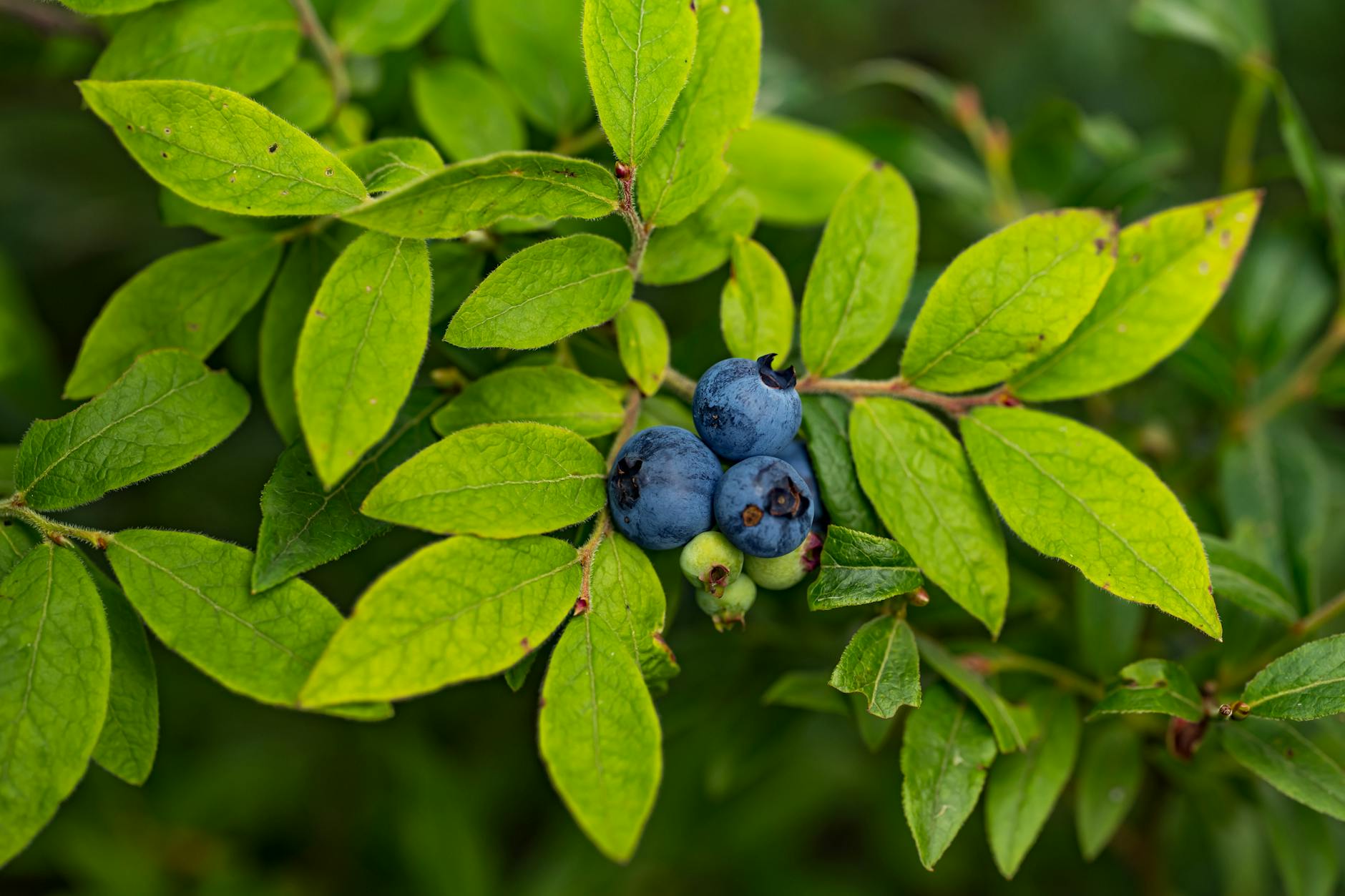
Growing blueberries in pots is one of the easiest and most rewarding ways to enjoy homegrown fruit, even if you don’t have a backyard. But getting a healthy bush is one thing. Getting it to actually produce sweet, juicy berries? That takes a bit of know-how. Here’s how to grow blueberries in containers successfully and boost your chances of a real harvest, not just leafy disappointment.
Why Grow Blueberries in Pots?
Blueberries are naturally shallow-rooted, which makes them perfect for container growing. Pots also allow you to control key factors like soil acidity, drainage, and sunlight, three things blueberries care about deeply.
If you’ve struggled to grow them in the ground due to poor soil or unpredictable weather, a pot-grown bush gives you more flexibility. You can move it for better light, protect it from frost, and adjust the soil to get the perfect pH.
Choose the Right Blueberry Variety
Not all blueberries are created equal when it comes to containers. Look for dwarf or compact varieties that are bred for small spaces. Some of the best options include:
Make sure the variety you choose is self-pollinating or plant two compatible types for cross-pollination and better fruit yield.
Pick the Right Pot
Your blueberry bush will need space for its roots to spread and drain properly. Start with a pot that’s at least 40cm deep and 40–50cm wide. Terracotta, ceramic, or plastic pots all work, just make sure it has plenty of drainage holes.
Pro tip: Elevate your pot slightly off the ground using pot feet or bricks. This helps water drain and prevents root rot.
Use the Right Soil (This Matters)
This is where most people go wrong. Blueberries love acidic soil with a pH between 4.5 and 5.5. Regular potting mix won’t cut it. Look for a potting mix designed for acid-loving plants (like camellias or azaleas), or make your own with:
Avoid using manure or lime-based composts, they’ll raise the pH and harm the plant.
Position It in Full Sun
Blueberries need at least 6 hours of direct sun each day to produce fruit. The more light, the better the yield. If you’re in a hot climate, position the pot where it gets morning sun and dappled afternoon shade. If you’re growing them indoors or on a shaded balcony, fruiting will be minimal unless you can supplement with a grow light.
Watering and Feeding
Blueberries like moist, well-drained soil. Keep the top few centimetres of soil consistently damp, especially during flowering and fruiting. But don’t overwater, soggy roots are a fast track to failure. Feed your plant with an acid-loving liquid fertiliser every two to three weeks during spring and summer. In autumn, stop feeding and let the plant wind down for its dormant phase.
Pruning for Growth and Fruit
Prune lightly in late winter or early spring to encourage new growth and remove any dead or weak branches. The goal is an open shape with good air flow. You want to direct energy to strong, fruit-bearing stems rather than tangled leaves. Don’t over-prune young plants in their first year, focus on shaping, not shrinking.
Protect the Fruit
Once your plant starts fruiting, birds and bugs will show up fast. Use netting to protect ripening berries, especially if you’re growing on a balcony or courtyard. A simple mesh cloche or garden net can make all the difference. Also, make sure your pot isn’t overcrowded, good airflow helps prevent fungal issues and keeps pests at bay.
Do Blueberries Fruit in the First Year?
It depends on the variety and how mature the plant was when you bought it. Most nursery blueberry plants take 1 to 2 years to fruit reliably. Don’t panic if you get flowers but no berries in year one, healthy root development comes first. If you’re patient, you’ll often get a much bigger harvest in year two or three, and many varieties will continue producing for years to come with the right care.
Winter Care for Potted Blueberries
In cold regions, blueberries in pots may need protection from frost. Move pots to a sheltered spot or wrap them in frost cloth or hessian. In warmer climates, just reduce watering during dormancy. Your bush may lose its leaves in winter, that’s totally normal. Let it rest, and it’ll bounce back in spring with new buds.
With the right pot, soil, and variety, blueberries are one of the most rewarding fruits you can grow at home. They don’t take up much space, and they offer beautiful blooms, delicious berries, and even vibrant autumn colour.
Start with one bush, give it some sun and love, and you’ll be harvesting homegrown blueberries before you know it.
Share this:
Like this: