What’s the first thing that comes to mind when you think of wellness? A Pilates class? A green juice? Toothbrushing? Probably not! It’s something we all do twice a day (often on autopilot), but here’s the twist: the more we learn about oral health, the clearer it becomes that it’s not just about fresh breath or a brighter smile – it plays a much bigger role in our overall wellbeing than we give it credit for.
According to research conducted by oral health care brand, ORDO, although almost 90% of Australians believe oral health is linked to wellbeing, only 6% actually place it ahead of physical, mental, or emotional health. The truth is, we know it matters, but with so many other priorities, it often slips down the list.
Why oral health matters
Your mouth is more connected to the rest of you than you might think. When it’s healthy, your body isn’t constantly fighting off oral inflammation, which can drain energy. Eating becomes easier and more enjoyable when chewing isn’t painful, and quality sleep is more likely when oral issues like grinding or gum discomfort aren’t waking you at night.
Research has even linked gum health with heart health and blood sugar regulation. Dentists are also often the first to spot early signs of conditions like vitamin deficiencies or diabetes. Think of your mouth as a checkpoint, it reflects what’s happening in your body and keeping it healthy helps reduce inflammation, makes daily life more comfortable, and supports confidence in social situations.
The good news? Small, consistent habits really do add up! Brushing twice a day, cleaning between teeth, and attending regular check-ups can all lower the risk of oral issues while at the same time reducing fatigue linked to gum inflammation and boosting everyday confidence through fresher breath and a healthier smile.
Oral health doesn’t just connect to the body, it also links to the mind. One in five Australians take medication for a mental health condition and treatments are vital, but many cause dry mouth as a side effect. When saliva slows down, the mouth’s natural balance changes, giving bacteria more opportunity to build up. This can lead to more than just dental issues. A persistently dry mouth makes eating less enjoyable, increases the risk of bad breath, and can even affect how comfortable and confident you feel when socialising.
The positive? Once you know about it, you can manage it. Staying hydrated, chewing sugar-free gum, regular dental visits, and the right oral care routine all help protect against dry mouth side effects. It’s another reminder that caring for your mouth supports not only your physical health but your mental wellbeing too.
Generational shifts
Our idea of “health” evolves as we age. Older generations often prioritise staying active and getting regular check-ups. Millennials and Gen Z? We’ve put mental health, emotional wellness, and boundaries at the forefront, and that’s a shift worth celebrating. But at the same time, oral health still lingers in the background. It’s often the habit that gets overshadowed by work, family, or fitness goals.
The key is to keep it simple and realistic:
● Make it easy: Keep floss or a water flosser visible, next to your skincare, not hidden in a drawer, so it naturally becomes part of your routine.
● Keep it realistic: If daily flossing feels unrealistic, start with weekdays. Consistency always wins over perfection.
Oral care as everyday self-care
Wellness doesn’t have to mean 10,000 steps before sunrise or fasting until noon. Sometimes it’s two mindful minutes brushing your teeth. Focusing on each one, step by step. Those two minutes give your mind a pause, reduce stress by pulling you into the present moment, and leave you with a tangible sense of accomplishment.
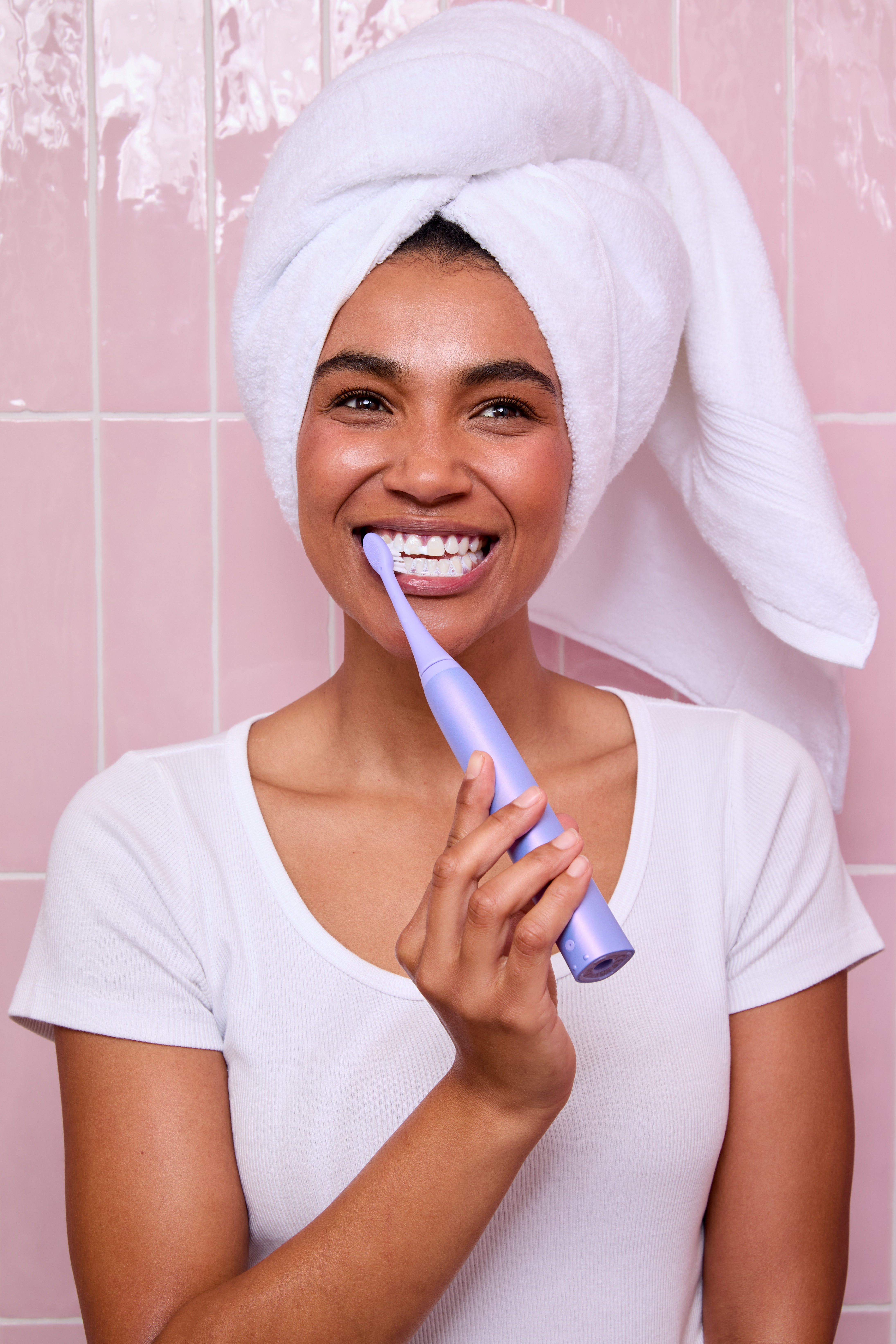
Using tools that make the process smoother also helps. I’ve been using the ORDO sonic+ toothbrush, and it’s made my routine feel more effortless. The small head reaches tricky spots, the built-in timer keeps me on track and yes, it looks good on the bathroom shelf.
Right now, my oral care routine feels clean, calm, and genuinely enjoyable. For me, wellness really does start in the mouth.
How to get started:
● Switch to an electric toothbrush: It gives a deeper clean in two minutes than most of us can manage manually.
● Clean between teeth: Most issues start here. Floss, or try a water flosser if that’s easier for you.
● Stay consistent with check-ups: Dental professionals can catch early issues before they turn into painful and expensive problems.
● See it as part of whole-body health: A few minutes of care each day supports your smile, your confidence and even your energy levels.
Oral health isn’t just about teeth. It’s about energy, confidence, comfort, and whole-body wellness. With small daily steps, you’re not just protecting your smile, you’re investing in health that goes far beyond your teeth.


What’s the first thing that comes to mind when you think of wellness? A Pilates class? A green juice? Toothbrushing? Probably not! It’s something we all do twice a day (often on autopilot), but here’s the twist: the more we learn about oral health, the clearer it becomes that it’s not just about fresh breath or a brighter smile – it plays a much bigger role in our overall wellbeing than we give it credit for.
According to research conducted by oral health care brand, ORDO, although almost 90% of Australians believe oral health is linked to wellbeing, only 6% actually place it ahead of physical, mental, or emotional health. The truth is, we know it matters, but with so many other priorities, it often slips down the list.
Why oral health matters
Your mouth is more connected to the rest of you than you might think. When it’s healthy, your body isn’t constantly fighting off oral inflammation, which can drain energy. Eating becomes easier and more enjoyable when chewing isn’t painful, and quality sleep is more likely when oral issues like grinding or gum discomfort aren’t waking you at night.
Research has even linked gum health with heart health and blood sugar regulation. Dentists are also often the first to spot early signs of conditions like vitamin deficiencies or diabetes. Think of your mouth as a checkpoint, it reflects what’s happening in your body and keeping it healthy helps reduce inflammation, makes daily life more comfortable, and supports confidence in social situations.
The good news? Small, consistent habits really do add up! Brushing twice a day, cleaning between teeth, and attending regular check-ups can all lower the risk of oral issues while at the same time reducing fatigue linked to gum inflammation and boosting everyday confidence through fresher breath and a healthier smile.
The link with mental wellbeing
Oral health doesn’t just connect to the body, it also links to the mind. One in five Australians take medication for a mental health condition and treatments are vital, but many cause dry mouth as a side effect. When saliva slows down, the mouth’s natural balance changes, giving bacteria more opportunity to build up. This can lead to more than just dental issues. A persistently dry mouth makes eating less enjoyable, increases the risk of bad breath, and can even affect how comfortable and confident you feel when socialising.
The positive? Once you know about it, you can manage it. Staying hydrated, chewing sugar-free gum, regular dental visits, and the right oral care routine all help protect against dry mouth side effects. It’s another reminder that caring for your mouth supports not only your physical health but your mental wellbeing too.
Generational shifts
Our idea of “health” evolves as we age. Older generations often prioritise staying active and getting regular check-ups. Millennials and Gen Z? We’ve put mental health, emotional wellness, and boundaries at the forefront, and that’s a shift worth celebrating. But at the same time, oral health still lingers in the background. It’s often the habit that gets overshadowed by work, family, or fitness goals.
The key is to keep it simple and realistic:
● Make it easy: Keep floss or a water flosser visible, next to your skincare, not hidden in a drawer, so it naturally becomes part of your routine.
● Keep it realistic: If daily flossing feels unrealistic, start with weekdays. Consistency always wins over perfection.
Oral care as everyday self-care
Wellness doesn’t have to mean 10,000 steps before sunrise or fasting until noon. Sometimes it’s two mindful minutes brushing your teeth. Focusing on each one, step by step. Those two minutes give your mind a pause, reduce stress by pulling you into the present moment, and leave you with a tangible sense of accomplishment.
Using tools that make the process smoother also helps. I’ve been using the ORDO sonic+ toothbrush, and it’s made my routine feel more effortless. The small head reaches tricky spots, the built-in timer keeps me on track and yes, it looks good on the bathroom shelf.
Right now, my oral care routine feels clean, calm, and genuinely enjoyable. For me, wellness really does start in the mouth.
How to get started:
● Switch to an electric toothbrush: It gives a deeper clean in two minutes than most of us can manage manually.
● Clean between teeth: Most issues start here. Floss, or try a water flosser if that’s easier for you.
● Stay consistent with check-ups: Dental professionals can catch early issues before they turn into painful and expensive problems.
● See it as part of whole-body health: A few minutes of care each day supports your smile, your confidence and even your energy levels.
Oral health isn’t just about teeth. It’s about energy, confidence, comfort, and whole-body wellness. With small daily steps, you’re not just protecting your smile, you’re investing in health that goes far beyond your teeth.
Shop the ORDO range here.
Share this:
Like this: