Ambient lighting is considered by many to be the crown jewel of your home thanks to its power to illuminate your home and determine the warmth and tone of your space. Are you looking for intimate and cozy? Or, maybe something a little brighter and more layered? Ambient lighting directs the overall atmosphere of your space and helps the eye focus on specific areas.
It can also be split into cool and warm tones, and each offers a different aesthetic. Cool lighting is often white in appearance and contains more blue light to make it seem brighter to the eye, making it ideal for alertness and task lighting. Traditional warm lighting on the other hand appears in a softer yellow glow and is better suited for relaxation.
You can transform your space by accessorising with the right lights, but you have got to make the decision between warm and cool lighting or find harmony between the two. Below, learn more about the importance of ambient lighting and how you can style it within your home.
Warm Lighting
Some areas in your home simply need to be cosy, warm and relaxing – no question asked. These are typically spaces where we kick back to unwind, like our bedrooms and living room. Medium illumination is ideal for creating an inviting and intimate atmosphere to socialise and host friends, while lower levels are ideal for watching a film or reading a book before bed.
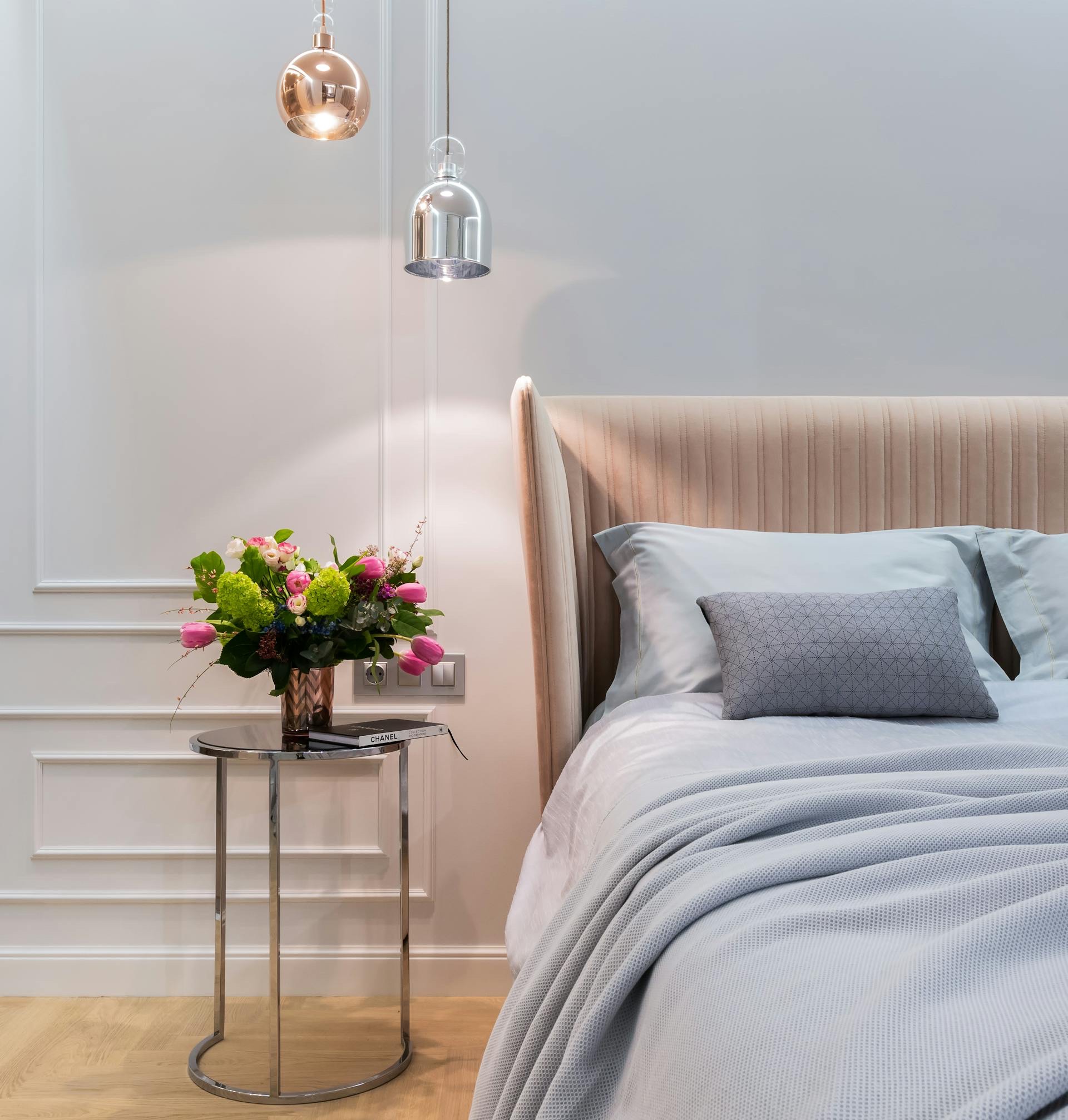
Bring balance and height to your room with a floor lamp or send light in every direction with wall sconces. Warm lighting can also change the colour tone of the space when it is placed next to a coloured wall. You can add a dash of drama and moodiness to light-coloured rooms in the evening with a well-placed lamp or pendant light.
This type of lighting is perfect for creating nooks and zone where comfort is key.
Cool Lighting
For when you’re getting ready, prepping food for dinner, or completing some other task, cool lighting banishes shadows so you’re free to completely focus. These are better suited for our kitchens, studies, home offices and cupboards – anywhere that is more function-orientated.
This lighting appears closer to natural daylight than warm bulbs and helps to create a vibrant and energising atmosphere for sleek and modern living spaces. The high-intensity brightness can enhance productivity and keep occupants invigorated and excited.
If you want cool tones without being too harsh on your eyes in the evenings and early mornings, you can opt for upward-facing LED strops for the top of your cabinets and under shelves. You benefit from high illumination without it being too clinical or direct. The same applies to your baseboards, under kitchen toe kicks and risers on your stairs.
Finding Harmony
Your well-being so you have everything to gain from finding the perfect balance. Combine both cool and warm lights in your space to create a dynamic and versatile environment that can seamlessly transition between different activities and moods.
To counteract the risk of insufficient lighting for your specific task, you should use more than one light source in your room. White overhead lights can be complemented with table lamps or other layered lighting that can be used when you are wanting a mood change.


Ambient lighting is considered by many to be the crown jewel of your home thanks to its power to illuminate your home and determine the warmth and tone of your space. Are you looking for intimate and cozy? Or, maybe something a little brighter and more layered? Ambient lighting directs the overall atmosphere of your space and helps the eye focus on specific areas.
It can also be split into cool and warm tones, and each offers a different aesthetic. Cool lighting is often white in appearance and contains more blue light to make it seem brighter to the eye, making it ideal for alertness and task lighting. Traditional warm lighting on the other hand appears in a softer yellow glow and is better suited for relaxation.
You can transform your space by accessorising with the right lights, but you have got to make the decision between warm and cool lighting or find harmony between the two. Below, learn more about the importance of ambient lighting and how you can style it within your home.
Warm Lighting
Some areas in your home simply need to be cosy, warm and relaxing – no question asked. These are typically spaces where we kick back to unwind, like our bedrooms and living room. Medium illumination is ideal for creating an inviting and intimate atmosphere to socialise and host friends, while lower levels are ideal for watching a film or reading a book before bed.
Bring balance and height to your room with a floor lamp or send light in every direction with wall sconces. Warm lighting can also change the colour tone of the space when it is placed next to a coloured wall. You can add a dash of drama and moodiness to light-coloured rooms in the evening with a well-placed lamp or pendant light.
This type of lighting is perfect for creating nooks and zone where comfort is key.
Cool Lighting
For when you’re getting ready, prepping food for dinner, or completing some other task, cool lighting banishes shadows so you’re free to completely focus. These are better suited for our kitchens, studies, home offices and cupboards – anywhere that is more function-orientated.
This lighting appears closer to natural daylight than warm bulbs and helps to create a vibrant and energising atmosphere for sleek and modern living spaces. The high-intensity brightness can enhance productivity and keep occupants invigorated and excited.
If you want cool tones without being too harsh on your eyes in the evenings and early mornings, you can opt for upward-facing LED strops for the top of your cabinets and under shelves. You benefit from high illumination without it being too clinical or direct. The same applies to your baseboards, under kitchen toe kicks and risers on your stairs.
Finding Harmony
Your well-being so you have everything to gain from finding the perfect balance. Combine both cool and warm lights in your space to create a dynamic and versatile environment that can seamlessly transition between different activities and moods.
To counteract the risk of insufficient lighting for your specific task, you should use more than one light source in your room. White overhead lights can be complemented with table lamps or other layered lighting that can be used when you are wanting a mood change.
Share this:
Like this: