The apricot, a humble stone fruit, conceals a kernel within its pit that’s bursting with nutritional value—its seed. Often overshadowed by the fruit’s fleshy part, apricot seeds are nutritional powerhouses in their own right. Rich in vitamins, minerals, and compounds that contribute to various health benefits, these seeds are more than just a byproduct of apricot consumption. With potential roles in cancer prevention, skin care, heart health, and digestive wellness, they deserve a spotlight. Keep reading to unravel the myriad benefits these tiny kernels bring to the table.
Apricot Seeds as a Surprising Source of Skin Health Antioxidants
Apricot seeds may be small, but they’re mighty when it comes to skin health. The vitamin E found in these kernels is a powerful antioxidant that helps combat oxidative stress caused by free radicals, which can lead to premature aging of the skin. This antioxidant activity supports a youthful, radiant complexion and may help protect the skin from environmental aggressors.
In addition to vitamin E, apricot seeds also contain other compounds that provide hydration and support the skin’s barrier function. Oils extracted from these seeds can be used topically to nourish and soothe the skin, promoting overall skin health. These natural oils are often found in cosmetics for their emollient properties.
The antioxidants in apricot seeds also have anti-inflammatory properties, which can be beneficial in reducing redness and skin irritation. This makes them an ingredient worth considering in dietary and skincare regimens aimed at managing inflammatory skin conditions.
Hidden Heart Helpers: The Cardiovascular Benefits of Apricot Seeds
Equally important to their other benefits, apricot seeds have a place in supporting cardiovascular health. The fiber content in the seeds plays a role in reducing bad cholesterol levels, thereby lessening the risk of heart disease. Fiber helps bind to cholesterol in the digestive system, causing it to be excreted rather than absorbed.
Apricot seeds also contain monounsaturated fats, which are known to be heart-healthy. These fats contribute to maintaining healthy blood lipid profiles and can reduce the risk of atherosclerosis. By including these seeds in your diet, you’re providing your body with nutrients that can keep your heart working efficiently.
Moreover, the magnesium in apricot seeds is vital for heart health, as it helps regulate heartbeat and is involved in energy production within heart cells. Regular intake of magnesium-rich foods, such as apricot seeds, can support overall heart function.
The Nutritional Profile of Apricot Seeds
The nutritional value of apricot seeds is truly impressive, with an array of nutrients packed into each small kernel. They are a good source of protein, essential fatty acids, and dietary fiber, which are critical for maintaining muscle health, hormone balance, and digestive regularity. Moreover, they contain a significant amount of vitamin E, an antioxidant that supports skin and immune health.
Apart from these macronutrients, apricot seeds are also rich in minerals such as potassium, magnesium, and iron. Potassium aids in fluid balance and nerve function, magnesium plays a role in over 300 enzymatic reactions in the body, and iron is foundational for the formation of hemoglobin and oxygen transport. This combination of vitamins and minerals can contribute to overall wellness.
Interested in incorporating apricot seeds into your diet? If you’re looking for quality apricot seeds to buy, look for reputable sources. This ensures that you leverage the full spectrum of nutrients these kernels can offer.
How Apricot Seeds Support Digestive Health and Enhanced Metabolism
Apricot seeds offer multiple benefits for the digestive system. The dietary fiber in these kernels promotes regular bowel movements and helps prevent constipation. By aiding in the movement of food through the digestive tract, fiber ensures a healthy gut, which is crucial for overall health and well-being.
Furthermore, the fiber in apricot seeds nurtures beneficial gut bacteria. A healthy microbiome is associated with improved digestion and can even impact metabolism and immune function. This prebiotic effect supports a balanced and resilient digestive ecosystem.
These seeds can also support liver health, an organ central to metabolism and detoxification. Some compounds in apricot seeds have been shown to help safeguard the liver from toxic substances, enhancing its ability to process and eliminate waste products efficiently.
Altogether, the inclusion of apricot seeds in your diet can offer a multitude of health benefits that go beyond their nutritional value. From potentially aiding cancer prevention to reinforcing heart and skin health, and supporting a robust digestive system, these small kernels possess remarkable abilities. Overall, the rewards of embracing apricot seeds in your daily regimen are substantial, contributing to a healthier and more balanced lifestyle.


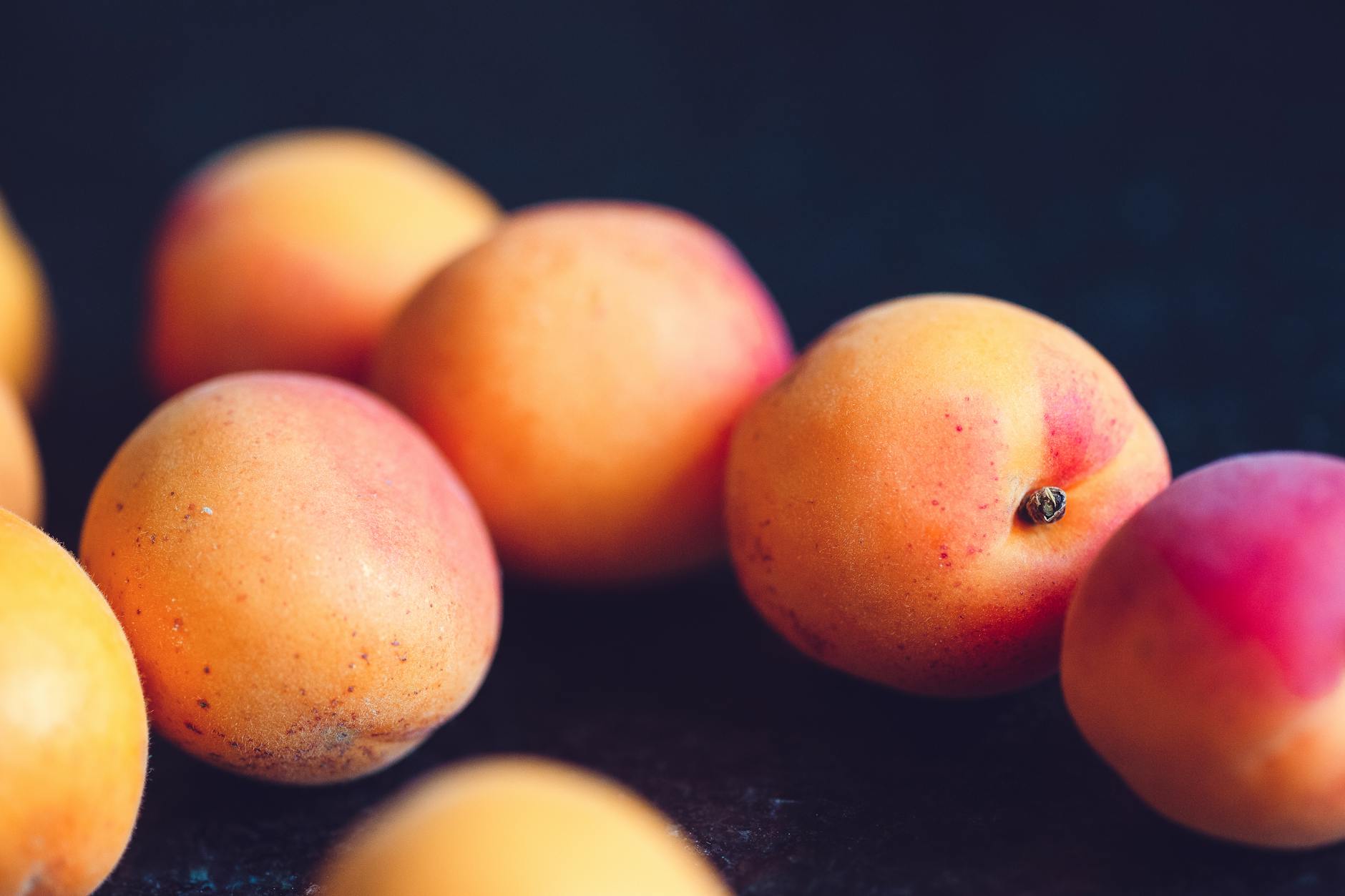
The apricot, a humble stone fruit, conceals a kernel within its pit that’s bursting with nutritional value—its seed. Often overshadowed by the fruit’s fleshy part, apricot seeds are nutritional powerhouses in their own right. Rich in vitamins, minerals, and compounds that contribute to various health benefits, these seeds are more than just a byproduct of apricot consumption. With potential roles in cancer prevention, skin care, heart health, and digestive wellness, they deserve a spotlight. Keep reading to unravel the myriad benefits these tiny kernels bring to the table.
Apricot Seeds as a Surprising Source of Skin Health Antioxidants
Apricot seeds may be small, but they’re mighty when it comes to skin health. The vitamin E found in these kernels is a powerful antioxidant that helps combat oxidative stress caused by free radicals, which can lead to premature aging of the skin. This antioxidant activity supports a youthful, radiant complexion and may help protect the skin from environmental aggressors.
In addition to vitamin E, apricot seeds also contain other compounds that provide hydration and support the skin’s barrier function. Oils extracted from these seeds can be used topically to nourish and soothe the skin, promoting overall skin health. These natural oils are often found in cosmetics for their emollient properties.
The antioxidants in apricot seeds also have anti-inflammatory properties, which can be beneficial in reducing redness and skin irritation. This makes them an ingredient worth considering in dietary and skincare regimens aimed at managing inflammatory skin conditions.
Hidden Heart Helpers: The Cardiovascular Benefits of Apricot Seeds
Equally important to their other benefits, apricot seeds have a place in supporting cardiovascular health. The fiber content in the seeds plays a role in reducing bad cholesterol levels, thereby lessening the risk of heart disease. Fiber helps bind to cholesterol in the digestive system, causing it to be excreted rather than absorbed.
Apricot seeds also contain monounsaturated fats, which are known to be heart-healthy. These fats contribute to maintaining healthy blood lipid profiles and can reduce the risk of atherosclerosis. By including these seeds in your diet, you’re providing your body with nutrients that can keep your heart working efficiently.
Moreover, the magnesium in apricot seeds is vital for heart health, as it helps regulate heartbeat and is involved in energy production within heart cells. Regular intake of magnesium-rich foods, such as apricot seeds, can support overall heart function.
The Nutritional Profile of Apricot Seeds
The nutritional value of apricot seeds is truly impressive, with an array of nutrients packed into each small kernel. They are a good source of protein, essential fatty acids, and dietary fiber, which are critical for maintaining muscle health, hormone balance, and digestive regularity. Moreover, they contain a significant amount of vitamin E, an antioxidant that supports skin and immune health.
Apart from these macronutrients, apricot seeds are also rich in minerals such as potassium, magnesium, and iron. Potassium aids in fluid balance and nerve function, magnesium plays a role in over 300 enzymatic reactions in the body, and iron is foundational for the formation of hemoglobin and oxygen transport. This combination of vitamins and minerals can contribute to overall wellness.
Interested in incorporating apricot seeds into your diet? If you’re looking for quality apricot seeds to buy, look for reputable sources. This ensures that you leverage the full spectrum of nutrients these kernels can offer.
How Apricot Seeds Support Digestive Health and Enhanced Metabolism
Apricot seeds offer multiple benefits for the digestive system. The dietary fiber in these kernels promotes regular bowel movements and helps prevent constipation. By aiding in the movement of food through the digestive tract, fiber ensures a healthy gut, which is crucial for overall health and well-being.
Furthermore, the fiber in apricot seeds nurtures beneficial gut bacteria. A healthy microbiome is associated with improved digestion and can even impact metabolism and immune function. This prebiotic effect supports a balanced and resilient digestive ecosystem.
These seeds can also support liver health, an organ central to metabolism and detoxification. Some compounds in apricot seeds have been shown to help safeguard the liver from toxic substances, enhancing its ability to process and eliminate waste products efficiently.
Altogether, the inclusion of apricot seeds in your diet can offer a multitude of health benefits that go beyond their nutritional value. From potentially aiding cancer prevention to reinforcing heart and skin health, and supporting a robust digestive system, these small kernels possess remarkable abilities. Overall, the rewards of embracing apricot seeds in your daily regimen are substantial, contributing to a healthier and more balanced lifestyle.
Share this:
Like this: