There’s something profoundly humbling about looking up at a night sky packed with stars. In a world filled with glowing screens and city lights, the chance to truly see the cosmos—clear, vast, and unfiltered—is a rare and magical experience. Whether you’re a seasoned astrophotographer or just someone who loves a sky full of stars, here are some of the best places in the world to stargaze, and when to plan your visit for the most breathtaking views.
1. Mauna Kea, Hawaii, USA
Why it’s one of the best: At nearly 4,200 metres above sea level, Mauna Kea is literally above the clouds. Its altitude, stable weather, and isolation in the Pacific make it one of the clearest and darkest skies on Earth. It’s home to some of the world’s most powerful telescopes, and the clarity of the night sky is simply jaw-dropping.
Best time to go: Between April and September for the clearest skies. Summer months offer warm nights and some of the best views of the Milky Way stretching across the horizon.
2. Atacama Desert, Chile
Why it’s one of the best: This desert is the driest non-polar region on Earth, meaning hardly any cloud cover and minimal light pollution. With its high elevation, consistent weather, and remoteness, the Atacama has become a pilgrimage site for stargazers and scientists alike. It’s also where you’ll find the ALMA observatory, one of the largest radio telescope arrays in the world.
Best time to go: March to October, with the driest, darkest skies peaking in the Chilean winter (June to August). The southern sky offers unique views of constellations not visible from the Northern Hemisphere.
3. Aoraki Mackenzie, New Zealand Why it’s one of the best: This International Dark Sky Reserve is the largest in the Southern Hemisphere, with laws in place to minimise light pollution. The air is crisp, the skies are brilliantly dark, and the southern stars shine with extraordinary clarity. Mount Cook (Aoraki) in the background adds a touch of grandeur.
Best time to go: May to September offers the darkest nights and highest visibility, but stargazing is fantastic year-round. For a truly magical experience, plan a visit around the new moon phase.
4. NamibRand Nature Reserve, Namibia Why it’s one of the best: The NamibRand was Africa’s first designated Dark Sky Reserve, and its vast, open landscapes make it perfect for seeing stars right down to the horizon. The minimal humidity and virtually no light pollution create conditions that are almost otherworldly.
Best time to go: April to October. The dry season offers crystal-clear skies, cool temperatures, and no chance of cloud cover. Bring a good pair of binoculars or a telescope—you’ll be able to see the Milky Way like a glowing river above the dunes.
5. Jasper National Park, Alberta, Canada Why it’s one of the best: Part of a designated Dark Sky Preserve, Jasper offers pristine skies tucked into the Canadian Rockies. The views here are dramatic: starlit skies above jagged peaks, mirrored in glacial lakes. Jasper also hosts an annual Dark Sky Festival, which blends science with spectacle.
Best time to go: September to February for optimal darkness, especially around the new moon. The bonus? You might catch the aurora borealis (northern lights) dancing in the background.
6. La Palma, Canary Islands, Spain Why it’s one of the best: Nicknamed “La Isla Bonita” (the beautiful island), La Palma is home to some of the clearest skies in Europe. The Roque de los Muchachos Observatory sits above a blanket of clouds, where visibility is near perfect due to strict light pollution controls and high altitude.
Best time to go: Late spring to early autumn (May–September) is ideal. Summer also brings the Perseid meteor shower in August, which is spectacular from La Palma.
7. Uluru, Northern Territory, Australia Why it’s one of the best: The outback is famous for its big skies, and Uluru offers an iconic foreground to one of the clearest celestial displays in the Southern Hemisphere. With no city lights for hundreds of kilometres, this sacred desert site allows uninterrupted views of the Milky Way and constellations like the Southern Cross.
Best time to go: May to August brings cool, dry nights with excellent visibility. Early morning stargazing tours are also popular here—offering a sunrise over the desert as a bonus.
Photo by Yuting Gao
8. Kiruna, Swedish Lapland Why it’s one of the best: This Arctic Circle town offers a double dose of celestial wonder: the star-strewn sky and the aurora borealis. With minimal light interference and crisp polar air, winter nights in Kiruna are absolutely stunning. An alternative way to stargaze is aboard an Arctic luxury cruise, where the night sky remains unspoiled by light pollution.
Best time to go: September to March is aurora season. Long polar nights mean extended stargazing hours, and if you’re lucky, green and violet curtains of light will ripple above the stars.
9. Death Valley National Park, California, USA Why it’s one of the best: It may be one of the hottest places on Earth by day, but by night, Death Valley offers some of the darkest skies in the United States. The contrast between its otherworldly terrain and the dazzling canopy of stars is something truly special.
Best time to go: October to April. Avoid summer due to extreme heat. Winter months offer long nights and cool temps perfect for stargazing without crowds.
10. Himalayas, Ladakh, India Why it’s one of the best: At altitudes above 3,000 metres, the Ladakh region offers pristine, high-altitude skies with virtually zero light pollution. Tucked between mountain peaks and ancient monasteries, it’s a place where the sky feels close enough to touch.
Best time to go: May to September for clear, dry skies. Avoid the monsoon season. The night sky here is especially surreal during the new moon, with dense constellations glowing between icy peaks.
Stargazing connects us to something ancient and infinite—and while you can enjoy the stars from your backyard, there’s something unforgettable about seeing them from one of these legendary locations. Just remember: the best views often come with remoteness, so pack accordingly, check moon phases, and be ready to slow down, look up, and get lost in the cosmos


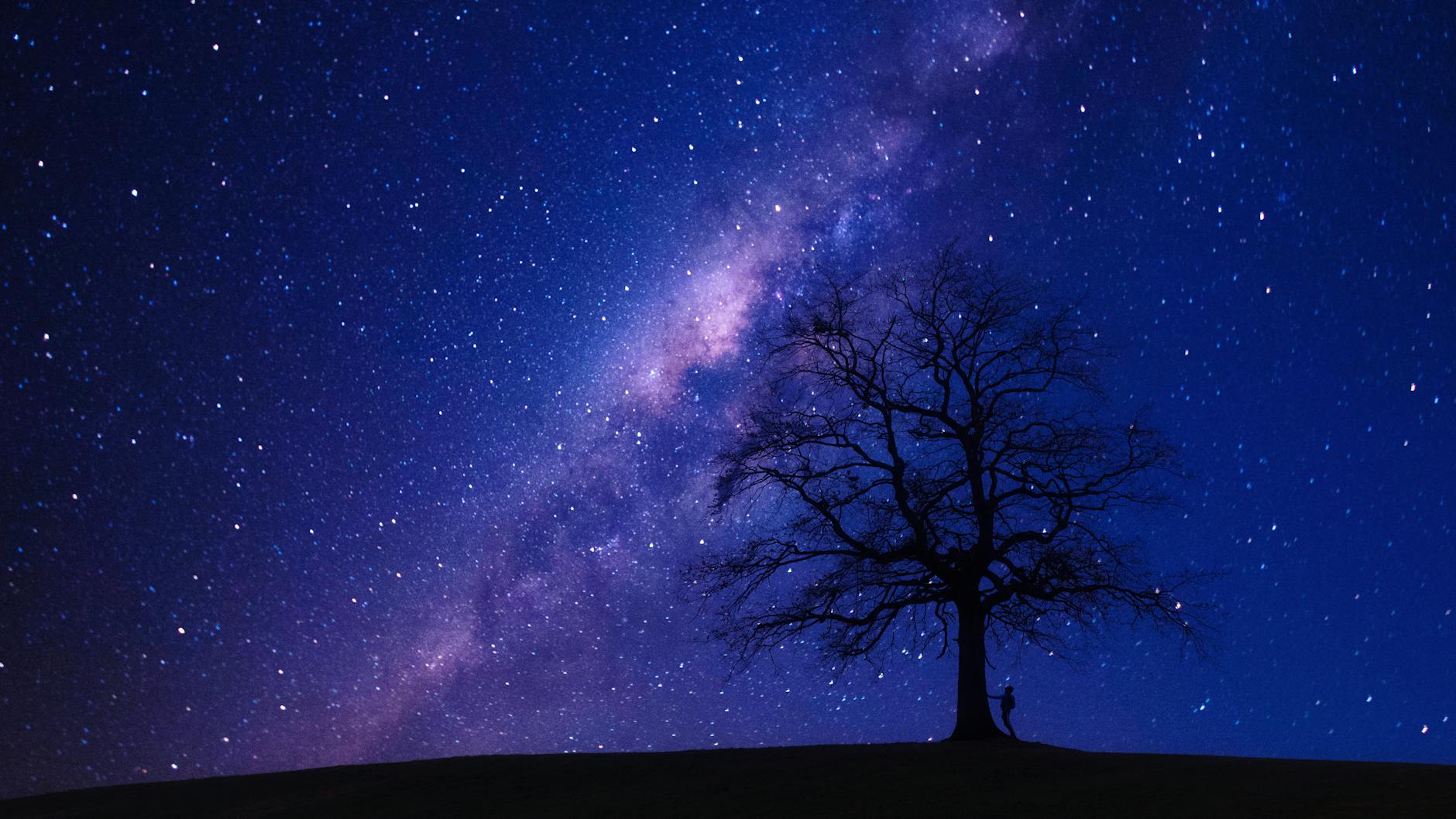
There’s something profoundly humbling about looking up at a night sky packed with stars. In a world filled with glowing screens and city lights, the chance to truly see the cosmos—clear, vast, and unfiltered—is a rare and magical experience. Whether you’re a seasoned astrophotographer or just someone who loves a sky full of stars, here are some of the best places in the world to stargaze, and when to plan your visit for the most breathtaking views.
1. Mauna Kea, Hawaii, USA
Why it’s one of the best:
At nearly 4,200 metres above sea level, Mauna Kea is literally above the clouds. Its altitude, stable weather, and isolation in the Pacific make it one of the clearest and darkest skies on Earth. It’s home to some of the world’s most powerful telescopes, and the clarity of the night sky is simply jaw-dropping.
Best time to go:
Between April and September for the clearest skies. Summer months offer warm nights and some of the best views of the Milky Way stretching across the horizon.
2. Atacama Desert, Chile
Why it’s one of the best:
This desert is the driest non-polar region on Earth, meaning hardly any cloud cover and minimal light pollution. With its high elevation, consistent weather, and remoteness, the Atacama has become a pilgrimage site for stargazers and scientists alike. It’s also where you’ll find the ALMA observatory, one of the largest radio telescope arrays in the world.
Best time to go:
March to October, with the driest, darkest skies peaking in the Chilean winter (June to August). The southern sky offers unique views of constellations not visible from the Northern Hemisphere.
3. Aoraki Mackenzie, New Zealand
Why it’s one of the best:
This International Dark Sky Reserve is the largest in the Southern Hemisphere, with laws in place to minimise light pollution. The air is crisp, the skies are brilliantly dark, and the southern stars shine with extraordinary clarity. Mount Cook (Aoraki) in the background adds a touch of grandeur.
Best time to go:
May to September offers the darkest nights and highest visibility, but stargazing is fantastic year-round. For a truly magical experience, plan a visit around the new moon phase.
4. NamibRand Nature Reserve, Namibia
Why it’s one of the best:
The NamibRand was Africa’s first designated Dark Sky Reserve, and its vast, open landscapes make it perfect for seeing stars right down to the horizon. The minimal humidity and virtually no light pollution create conditions that are almost otherworldly.
Best time to go:
April to October. The dry season offers crystal-clear skies, cool temperatures, and no chance of cloud cover. Bring a good pair of binoculars or a telescope—you’ll be able to see the Milky Way like a glowing river above the dunes.
5. Jasper National Park, Alberta, Canada
Why it’s one of the best:
Part of a designated Dark Sky Preserve, Jasper offers pristine skies tucked into the Canadian Rockies. The views here are dramatic: starlit skies above jagged peaks, mirrored in glacial lakes. Jasper also hosts an annual Dark Sky Festival, which blends science with spectacle.
Best time to go:
September to February for optimal darkness, especially around the new moon. The bonus? You might catch the aurora borealis (northern lights) dancing in the background.
6. La Palma, Canary Islands, Spain
Why it’s one of the best:
Nicknamed “La Isla Bonita” (the beautiful island), La Palma is home to some of the clearest skies in Europe. The Roque de los Muchachos Observatory sits above a blanket of clouds, where visibility is near perfect due to strict light pollution controls and high altitude.
Best time to go:
Late spring to early autumn (May–September) is ideal. Summer also brings the Perseid meteor shower in August, which is spectacular from La Palma.
7. Uluru, Northern Territory, Australia
Why it’s one of the best:
The outback is famous for its big skies, and Uluru offers an iconic foreground to one of the clearest celestial displays in the Southern Hemisphere. With no city lights for hundreds of kilometres, this sacred desert site allows uninterrupted views of the Milky Way and constellations like the Southern Cross.
Best time to go:
May to August brings cool, dry nights with excellent visibility. Early morning stargazing tours are also popular here—offering a sunrise over the desert as a bonus.
8. Kiruna, Swedish Lapland
Why it’s one of the best:
This Arctic Circle town offers a double dose of celestial wonder: the star-strewn sky and the aurora borealis. With minimal light interference and crisp polar air, winter nights in Kiruna are absolutely stunning. An alternative way to stargaze is aboard an Arctic luxury cruise, where the night sky remains unspoiled by light pollution.
Best time to go:
September to March is aurora season. Long polar nights mean extended stargazing hours, and if you’re lucky, green and violet curtains of light will ripple above the stars.
9. Death Valley National Park, California, USA
Why it’s one of the best:
It may be one of the hottest places on Earth by day, but by night, Death Valley offers some of the darkest skies in the United States. The contrast between its otherworldly terrain and the dazzling canopy of stars is something truly special.
Best time to go:
October to April. Avoid summer due to extreme heat. Winter months offer long nights and cool temps perfect for stargazing without crowds.
10. Himalayas, Ladakh, India
Why it’s one of the best:
At altitudes above 3,000 metres, the Ladakh region offers pristine, high-altitude skies with virtually zero light pollution. Tucked between mountain peaks and ancient monasteries, it’s a place where the sky feels close enough to touch.
Best time to go:
May to September for clear, dry skies. Avoid the monsoon season. The night sky here is especially surreal during the new moon, with dense constellations glowing between icy peaks.
Stargazing connects us to something ancient and infinite—and while you can enjoy the stars from your backyard, there’s something unforgettable about seeing them from one of these legendary locations. Just remember: the best views often come with remoteness, so pack accordingly, check moon phases, and be ready to slow down, look up, and get lost in the cosmos
Share this:
Like this: