Hyogo Prefecture is one of those places in Japan that quietly delivers everything. Historic cities, world famous beef, dramatic coastlines, mountain hot springs, and one of the most beautiful castles in the country. Yet somehow it still feels less crowded than Kyoto or Tokyo.
Located in the Kansai region, Hyogo stretches from the calm waters of the Seto Inland Sea to the rugged coastlines of the Sea of Japan. In between you will find historic towns, cultural landmarks, food experiences that justify the plane ticket, and some of Japan’s most relaxing onsen destinations.
If you are planning a trip to Japan and want something deeper than the usual checklist, Hyogo is a destination that rewards curiosity.
This ultimate guide covers everything you need to know before visiting Hyogo Prefecture, including the best places to visit, where to stay, what to eat, how to get around, and when to go.
Where Is Hyogo Prefecture?
Hyogo Prefecture sits in western Japan within the Kansai region. It is conveniently positioned between Osaka and Hiroshima, which makes it easy to add to a wider Japan itinerary.
The prefecture includes several well known cities including Kobe, Himeji, and Toyooka, along with smaller historic towns and coastal regions that feel wonderfully untouched.
Hyogo is unique because it stretches across the entire width of Honshu, Japan’s main island. This means it offers two completely different coastlines. On the southern side you have the Seto Inland Sea, known for calm waters, island views, and vibrant port cities like Kobe.
On the northern side you have the Sea of Japan, where the landscape becomes wilder, with dramatic cliffs, fishing villages, and some of Japan’s best seafood.
Why Visit Hyogo Prefecture?
Many travellers pass through Hyogo without realising how much there is to see. That is a mistake. Hyogo delivers a mix of culture, food, scenery, and history that few regions match.
Reasons to visit Hyogo include:
Home of Himeji Castle, Japan’s most famous and best preserved castle
The birthplace of Kobe Beef, one of the world’s most celebrated foods
The historic port city of Kobe, known for international influences
The charming Kinosaki Onsen, one of Japan’s most beautiful hot spring towns
The dramatic coastline of Takeno and the San’in Coast Geopark
A thriving sake culture in Nada, Japan’s most famous sake producing region
It is also extremely easy to reach from Kyoto and Osaka, which makes it ideal for day trips or a longer regional stay.
Best Places To Visit In Hyogo Prefecture
Kobe
Kobe is Hyogo’s capital and one of Japan’s most elegant port cities. Set between the mountains and the sea, Kobe has long been an international gateway. This gives it a different atmosphere compared to many Japanese cities. You will see European architecture, historic Western style homes, and a food culture influenced by global trade.
Highlights in Kobe include:
Kobe Harborland, a lively waterfront district with shops and restaurants
Nunobiki Herb Gardens, reached via a scenic ropeway with views over the city
Kitano District, where historic foreign residences from the 19th century still stand
Mount Rokko, offering some of the best night views in Japan
Kobe is also the place to try authentic Kobe beef. Dining on perfectly marbled Kobe beef grilled right in front of you is one of those travel experiences that stays with you.
Kobe, Japan
Himeji
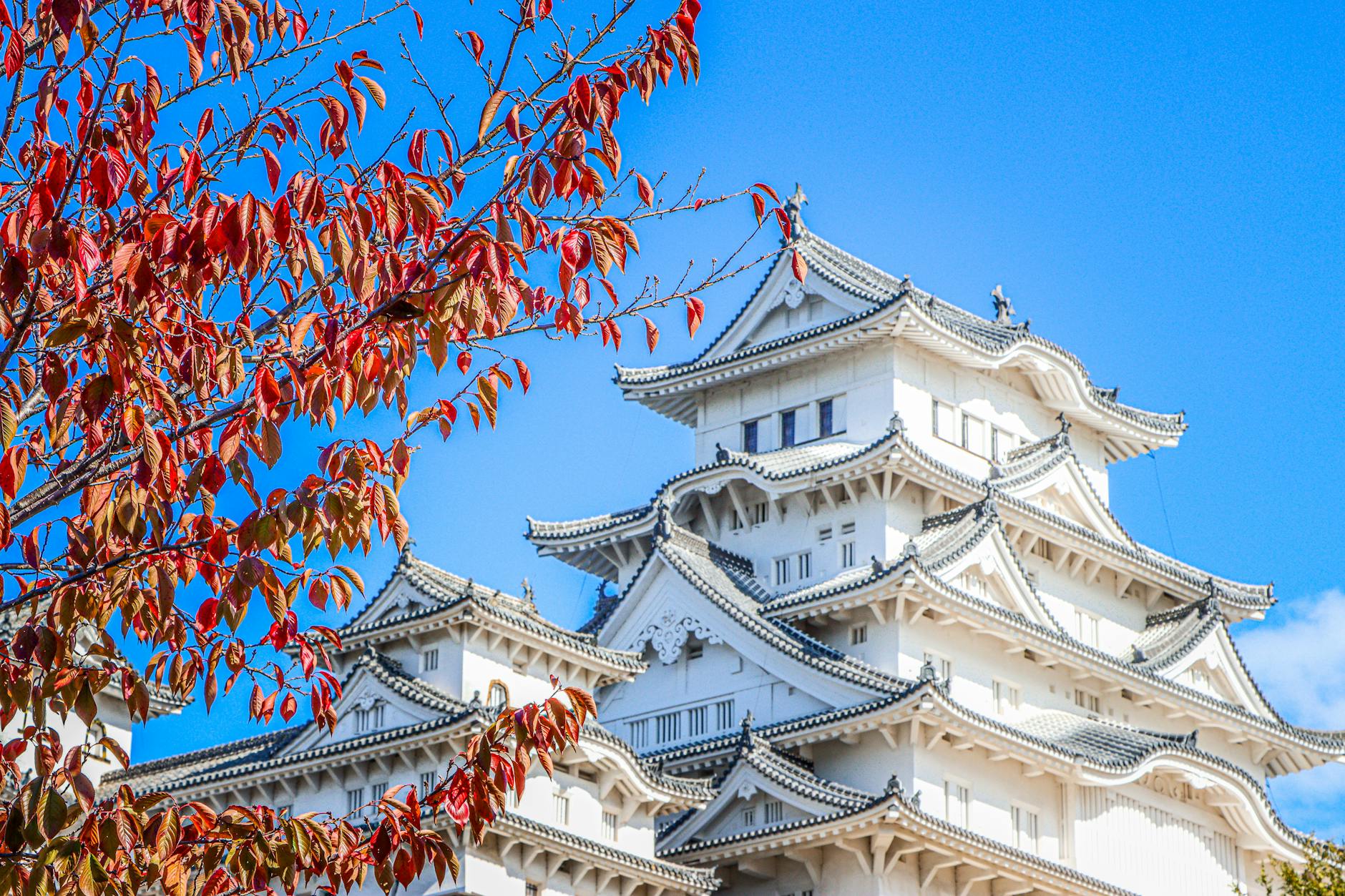
If you visit Hyogo for one thing, make it Himeji Castle. Known as the White Heron Castle, Himeji Castle is widely considered Japan’s most beautiful castle and is a UNESCO World Heritage Site.
Unlike many castles in Japan, Himeji survived wars, earthquakes, and bombings. What you see today is remarkably close to the original structure. Walking through the castle grounds and climbing the wooden interior corridors feels like stepping back into feudal Japan.
Nearby attractions include:
Koko-en Garden, a beautifully landscaped Japanese garden next to the castle
Mount Shosha, home to Engyoji Temple, where scenes from The Last Samurai were filmed
Himeji is only about 40 minutes from Kobe by train, making it an easy day trip.
Photo by Bruna Santos
Kinosaki Onsen
Kinosaki Onsen is one of Japan’s most charming hot spring towns. Instead of staying inside one hotel bath, the town encourages visitors to stroll through the streets wearing yukata robes and wooden sandals while visiting multiple public bathhouses.
The atmosphere is relaxed and nostalgic. Willow trees line the canals, traditional ryokan inns fill the streets, and the entire town feels designed for slow travel. There are seven public bathhouses, each with its own character.
Visitors typically stay overnight in a ryokan, enjoy a multi course kaiseki dinner, then wander between bathhouses after dark.
In winter, the town is also famous for snow crab, one of the region’s prized seasonal dishes.
Awaji Island
Awaji Island sits between Honshu and Shikoku and is connected by the impressive Akashi Kaikyo Bridge, the longest suspension bridge in the world.
The island is known for beautiful coastal views, relaxed seaside towns, and unique attractions.
Highlights include:
Awaji Yumebutai, a striking architectural complex designed by Tadao Ando
Naruto Whirlpools, powerful tidal whirlpools visible beneath the Naruto Bridge
Awaji is also famous for its onions, which are widely considered some of the best in Japan.
Toyooka and the San’in Coast
Northern Hyogo feels completely different from the southern cities.
Toyooka serves as the gateway to the San’in Coast Geopark, a protected coastal region with cliffs, sea caves, and dramatic natural scenery.
Nearby attractions include:
Takeno Beach, one of the most beautiful beaches on the Sea of Japan
Genbudo Cave, a series of striking basalt caves formed by volcanic activity
Oriental White Stork Sanctuary, where conservation efforts have successfully reintroduced the rare bird to the wild
If you want to see a quieter side of Japan, this region delivers.
The Food Hyogo Is Famous For
Kobe Beef
Kobe beef is one of the most famous foods in the world. It comes from Tajima cattle raised in Hyogo Prefecture under strict conditions. The meat is known for intense marbling, tenderness, and a rich buttery flavour.
Authentic Kobe beef restaurants can be found throughout Kobe, often serving teppanyaki style meals where chefs grill the steak right in front of you.
Nada Sake
Hyogo produces more sake than any other prefecture in Japan.
The Nada district near Kobe is especially famous, thanks to pure water sources, high quality rice, and centuries of brewing tradition.
Several historic breweries offer tastings and tours. For anyone interested in Japanese food culture, a visit to Nada is essential.
Tajima Crab
On the northern coast, seafood becomes the star. Tajima crab, often called Matsuba crab, is one of the region’s most sought after winter delicacies. It is typically served in traditional ryokan meals around Kinosaki Onsen.
When To Visit Hyogo Prefecture
Hyogo is a year round destination, but each season offers something different.
Spring (March to May) Cherry blossoms transform castle grounds and parks, especially around Himeji.
Summer (June to August) Beach season along the Sea of Japan and lively festivals across the region.
Autumn (September to November) Spectacular autumn foliage in the mountains and temple gardens.
Winter (December to February) Snow covered landscapes in northern Hyogo and peak crab season in Kinosaki Onsen.
How To Get To Hyogo Prefecture
Hyogo is easy to reach from Japan’s major cities.
From Osaka to Kobe: around 30 minutes by train. From Kyoto to Kobe: around 50 minutes. From Tokyo to Kobe: about 2 hours 40 minutes via Shinkansen.
Many travellers base themselves in Kobe and explore the rest of the prefecture on day trips.
Where To Stay In Hyogo
Kobe
Best for city life, dining, and nightlife. Hotels near the waterfront or Sannomiya Station make exploring easy.
Kinosaki Onsen
Best for a traditional Japanese ryokan experience. Most travellers stay one or two nights to fully enjoy the bathhouse culture.
Awaji Island
Ideal for scenic coastal resorts and a slower pace of travel.
Frequently Asked Questions About Hyogo Prefecture, Japan
What is Hyogo Prefecture famous for?
Hyogo is famous for several iconic attractions and experiences. The most well known include Himeji Castle, one of Japan’s most beautiful and well preserved castles, the world renowned Kobe beef, and the historic hot spring town of Kinosaki Onsen. The region is also Japan’s leading sake producing area, particularly around the Nada district near Kobe.
Is Hyogo worth visiting?
Yes, Hyogo is absolutely worth visiting. The prefecture offers a diverse mix of cultural landmarks, coastal scenery, historic towns, food experiences, and relaxing onsen destinations. It is also far less crowded than major tourist hubs like Kyoto, which makes it ideal for travellers who want a more authentic experience of Japan.
How many days should you spend in Hyogo Prefecture?
Two to four days is ideal for exploring Hyogo. Many travellers visit Kobe and Himeji as day trips from Osaka or Kyoto. However, spending several days allows you to also experience Kinosaki Onsen, Awaji Island, and the northern coastline.
Can you visit Hyogo as a day trip from Osaka or Kyoto?
Yes. Hyogo is very easy to reach from both cities. Kobe is about 30 minutes from Osaka and around 50 minutes from Kyoto by train. Himeji can be reached in about one hour from Osaka via the Shinkansen, which makes it one of the easiest castle day trips in Japan.
Is Kobe beef really from Kobe?
Authentic Kobe beef comes from Tajima cattle raised in Hyogo Prefecture under strict certification standards. While Kobe style beef may be served elsewhere, true Kobe beef must meet specific criteria and is officially certified by the Kobe Beef Marketing and Distribution Promotion Association.
What is Kinosaki Onsen known for?
Kinosaki Onsen is famous for its traditional hot spring culture. Visitors wear yukata robes and walk between seven historic public bathhouses throughout the town. The streets are lined with ryokan inns, canals, and willow trees, which creates a nostalgic atmosphere that feels very different from modern cities.
How do you get around Hyogo Prefecture?
Trains connect most major cities including Kobe, Himeji, and Toyooka. The JR rail network makes it easy to travel around the region. Renting a car can also be useful if you plan to explore Awaji Island or the more remote coastal areas in northern Hyogo.
Is Hyogo good for food lovers?
Yes. Hyogo is one of Japan’s most exciting food destinations. Visitors can enjoy authentic Kobe beef, fresh seafood along the Sea of Japan coast, seasonal Tajima crab in winter, and some of the best sake in the country from breweries in the Nada district.
The Wrap
Hyogo Prefecture captures so many sides of Japan in one region. Historic castles, elegant port cities, relaxing hot spring towns, incredible food, and coastlines that feel almost untouched.
For travellers who want more than the typical Japan itinerary, Hyogo offers depth, variety, and experiences that feel genuinely memorable. Once you visit, it is the kind of place you start recommending to everyone planning a trip to Japan.
For more information about Hyogo Prefecture, visit here.


Hyogo Prefecture is one of those places in Japan that quietly delivers everything. Historic cities, world famous beef, dramatic coastlines, mountain hot springs, and one of the most beautiful castles in the country. Yet somehow it still feels less crowded than Kyoto or Tokyo.
Located in the Kansai region, Hyogo stretches from the calm waters of the Seto Inland Sea to the rugged coastlines of the Sea of Japan. In between you will find historic towns, cultural landmarks, food experiences that justify the plane ticket, and some of Japan’s most relaxing onsen destinations.
If you are planning a trip to Japan and want something deeper than the usual checklist, Hyogo is a destination that rewards curiosity.
This ultimate guide covers everything you need to know before visiting Hyogo Prefecture, including the best places to visit, where to stay, what to eat, how to get around, and when to go.
Where Is Hyogo Prefecture?
Hyogo Prefecture sits in western Japan within the Kansai region. It is conveniently positioned between Osaka and Hiroshima, which makes it easy to add to a wider Japan itinerary.
The prefecture includes several well known cities including Kobe, Himeji, and Toyooka, along with smaller historic towns and coastal regions that feel wonderfully untouched.
Hyogo is unique because it stretches across the entire width of Honshu, Japan’s main island. This means it offers two completely different coastlines. On the southern side you have the Seto Inland Sea, known for calm waters, island views, and vibrant port cities like Kobe.
On the northern side you have the Sea of Japan, where the landscape becomes wilder, with dramatic cliffs, fishing villages, and some of Japan’s best seafood.
Why Visit Hyogo Prefecture?
Many travellers pass through Hyogo without realising how much there is to see. That is a mistake. Hyogo delivers a mix of culture, food, scenery, and history that few regions match.
Reasons to visit Hyogo include:
It is also extremely easy to reach from Kyoto and Osaka, which makes it ideal for day trips or a longer regional stay.
Best Places To Visit In Hyogo Prefecture
Kobe
Kobe is Hyogo’s capital and one of Japan’s most elegant port cities. Set between the mountains and the sea, Kobe has long been an international gateway. This gives it a different atmosphere compared to many Japanese cities. You will see European architecture, historic Western style homes, and a food culture influenced by global trade.
Highlights in Kobe include:
Kobe is also the place to try authentic Kobe beef. Dining on perfectly marbled Kobe beef grilled right in front of you is one of those travel experiences that stays with you.
Himeji
If you visit Hyogo for one thing, make it Himeji Castle. Known as the White Heron Castle, Himeji Castle is widely considered Japan’s most beautiful castle and is a UNESCO World Heritage Site.
Unlike many castles in Japan, Himeji survived wars, earthquakes, and bombings. What you see today is remarkably close to the original structure. Walking through the castle grounds and climbing the wooden interior corridors feels like stepping back into feudal Japan.
Nearby attractions include:
Himeji is only about 40 minutes from Kobe by train, making it an easy day trip.
Kinosaki Onsen
Kinosaki Onsen is one of Japan’s most charming hot spring towns. Instead of staying inside one hotel bath, the town encourages visitors to stroll through the streets wearing yukata robes and wooden sandals while visiting multiple public bathhouses.
The atmosphere is relaxed and nostalgic. Willow trees line the canals, traditional ryokan inns fill the streets, and the entire town feels designed for slow travel. There are seven public bathhouses, each with its own character.
Visitors typically stay overnight in a ryokan, enjoy a multi course kaiseki dinner, then wander between bathhouses after dark.
In winter, the town is also famous for snow crab, one of the region’s prized seasonal dishes.
Awaji Island
Awaji Island sits between Honshu and Shikoku and is connected by the impressive Akashi Kaikyo Bridge, the longest suspension bridge in the world.
The island is known for beautiful coastal views, relaxed seaside towns, and unique attractions.
Highlights include:
Awaji is also famous for its onions, which are widely considered some of the best in Japan.
Toyooka and the San’in Coast
Northern Hyogo feels completely different from the southern cities.
Toyooka serves as the gateway to the San’in Coast Geopark, a protected coastal region with cliffs, sea caves, and dramatic natural scenery.
Nearby attractions include:
If you want to see a quieter side of Japan, this region delivers.
The Food Hyogo Is Famous For
Kobe Beef
Kobe beef is one of the most famous foods in the world. It comes from Tajima cattle raised in Hyogo Prefecture under strict conditions. The meat is known for intense marbling, tenderness, and a rich buttery flavour.
Authentic Kobe beef restaurants can be found throughout Kobe, often serving teppanyaki style meals where chefs grill the steak right in front of you.
Nada Sake
Hyogo produces more sake than any other prefecture in Japan.
The Nada district near Kobe is especially famous, thanks to pure water sources, high quality rice, and centuries of brewing tradition.
Several historic breweries offer tastings and tours. For anyone interested in Japanese food culture, a visit to Nada is essential.
Tajima Crab
On the northern coast, seafood becomes the star. Tajima crab, often called Matsuba crab, is one of the region’s most sought after winter delicacies. It is typically served in traditional ryokan meals around Kinosaki Onsen.
When To Visit Hyogo Prefecture
Hyogo is a year round destination, but each season offers something different.
Spring (March to May)
Cherry blossoms transform castle grounds and parks, especially around Himeji.
Summer (June to August)
Beach season along the Sea of Japan and lively festivals across the region.
Autumn (September to November)
Spectacular autumn foliage in the mountains and temple gardens.
Winter (December to February)
Snow covered landscapes in northern Hyogo and peak crab season in Kinosaki Onsen.
How To Get To Hyogo Prefecture
Hyogo is easy to reach from Japan’s major cities.
From Osaka to Kobe: around 30 minutes by train.
From Kyoto to Kobe: around 50 minutes.
From Tokyo to Kobe: about 2 hours 40 minutes via Shinkansen.
Many travellers base themselves in Kobe and explore the rest of the prefecture on day trips.
Where To Stay In Hyogo
Kobe
Best for city life, dining, and nightlife. Hotels near the waterfront or Sannomiya Station make exploring easy.
Kinosaki Onsen
Best for a traditional Japanese ryokan experience. Most travellers stay one or two nights to fully enjoy the bathhouse culture.
Awaji Island
Ideal for scenic coastal resorts and a slower pace of travel.
Frequently Asked Questions About Hyogo Prefecture, Japan
What is Hyogo Prefecture famous for?
Hyogo is famous for several iconic attractions and experiences. The most well known include Himeji Castle, one of Japan’s most beautiful and well preserved castles, the world renowned Kobe beef, and the historic hot spring town of Kinosaki Onsen. The region is also Japan’s leading sake producing area, particularly around the Nada district near Kobe.
Is Hyogo worth visiting?
Yes, Hyogo is absolutely worth visiting. The prefecture offers a diverse mix of cultural landmarks, coastal scenery, historic towns, food experiences, and relaxing onsen destinations. It is also far less crowded than major tourist hubs like Kyoto, which makes it ideal for travellers who want a more authentic experience of Japan.
How many days should you spend in Hyogo Prefecture?
Two to four days is ideal for exploring Hyogo. Many travellers visit Kobe and Himeji as day trips from Osaka or Kyoto. However, spending several days allows you to also experience Kinosaki Onsen, Awaji Island, and the northern coastline.
Can you visit Hyogo as a day trip from Osaka or Kyoto?
Yes. Hyogo is very easy to reach from both cities. Kobe is about 30 minutes from Osaka and around 50 minutes from Kyoto by train. Himeji can be reached in about one hour from Osaka via the Shinkansen, which makes it one of the easiest castle day trips in Japan.
Is Kobe beef really from Kobe?
Authentic Kobe beef comes from Tajima cattle raised in Hyogo Prefecture under strict certification standards. While Kobe style beef may be served elsewhere, true Kobe beef must meet specific criteria and is officially certified by the Kobe Beef Marketing and Distribution Promotion Association.
What is Kinosaki Onsen known for?
Kinosaki Onsen is famous for its traditional hot spring culture. Visitors wear yukata robes and walk between seven historic public bathhouses throughout the town. The streets are lined with ryokan inns, canals, and willow trees, which creates a nostalgic atmosphere that feels very different from modern cities.
How do you get around Hyogo Prefecture?
Trains connect most major cities including Kobe, Himeji, and Toyooka. The JR rail network makes it easy to travel around the region. Renting a car can also be useful if you plan to explore Awaji Island or the more remote coastal areas in northern Hyogo.
Is Hyogo good for food lovers?
Yes. Hyogo is one of Japan’s most exciting food destinations. Visitors can enjoy authentic Kobe beef, fresh seafood along the Sea of Japan coast, seasonal Tajima crab in winter, and some of the best sake in the country from breweries in the Nada district.
The Wrap
Hyogo Prefecture captures so many sides of Japan in one region. Historic castles, elegant port cities, relaxing hot spring towns, incredible food, and coastlines that feel almost untouched.
For travellers who want more than the typical Japan itinerary, Hyogo offers depth, variety, and experiences that feel genuinely memorable. Once you visit, it is the kind of place you start recommending to everyone planning a trip to Japan.
For more information about Hyogo Prefecture, visit here.
Share this:
Like this: