No matter how much sleep you get, those under-eye bags or sagging lids just won’t go away. Even worse? People keep asking if you’re tired, when you feel perfectly fine. You’ve tried eye creams, cooling masks, and every skincare trick available, but the results are always temporary. At some point, it becomes clear: skincare alone isn’t enough.
That’s when eyelid surgery acts as a game changer. Unlike short-term fixes, it provides long-lasting results, helping you achieve a refreshed, youthful appearance. However, choosing the right one can feel overwhelming, given the different procedures available. The good part? You don’t have to figure it out alone. In this article, we’ll break down the different types of eyelid treatments and help you determine the best option for your needs.
The Different Types of Eyelid Surgery
Upper Eyelid Surgery
Upper eyelid surgery helps reduce sagging skin on the upper eyelids, making you look tired or interfering with your vision. This surgery removes extra skin, lifts the eyelids, and makes you look younger.
Generally, people opt for this when their upper eyelids are droopy due to aging or want them to look more shaped.
Lower Eyelid Surgery
Lower eyelid surgery targets under-eye bags, puffiness, and wrinkles. If you constantly look tired despite getting enough sleep, this procedure can help. The surgeons start by removing or repositioning fat deposits. Afterward, they tighten the skin for a refreshed and smoother look.
Double Eyelid Surgery
Double eyelid surgery is popular among those who want to create a defined upper eyelid crease. This is especially common in monolid individuals who desire a more open and contoured eye shape. The best part? Depending on your eyelid structure and desired results, this surgery can be performed using either an incision or a non-incision method.
How to Choose the Right Type Of Surgery
Consult with a Board-Certified Surgeon
Choosing the right surgeon is the first and most important step toward achieving natural, refreshed results. A board-certified specialist will carefully evaluate your eyelid structure, understand your concerns, and recommend the most suitable procedure. Their expertise ensures a balanced, harmonious look that complements your natural beauty.
Luckily, in this digital age, finding a qualified professional is easy. Say you’re in Portland and looking for the best eyelid surgery options. In this case, search for “Upper eyelid surgery in Portland” or “Lower eyelid surgery in Portland”on Google. You’ll find expert surgeons who can guide you through the process, helping you make the best choice for your goals.
Identify Your Main Concern
What bothers you most about your eyelids? Are you struggling with droopy upper lids, puffy under-eyes, or a lack of eyelid definition? Pinpointing your primary concern will help you determine which type of surgery will give you the best outcome.
Assess Your Eyelid Condition
Every eyelid is unique. Some people have excess skin, while others have more fat deposits. This is where a good surgeon can help you. They will assess your eyelid structure and recommend a tailored solution based on your needs.
Consider Your Age & Skin Type
Age and skin elasticity are significant factors in the effectiveness of a procedure. Younger individuals can easily benefit from non-incision techniques. In contrast, older patients may need more comprehensive surgical intervention to remove excess skin and tighten the area.
What to Expect Before, During, and After Surgery
Pre-Surgery Preparation
Your surgeon will provide you with detailed instructions before your procedure. These include avoiding certain medications, quitting smoking, and keeping your skin in good condition. You’ll also have a pre-op consultation to discuss expectations and possible risks.
The Surgical Procedure
Upper Eyelid Surgery: It typically involves making an incision along the natural crease. It cuts down the excess skin and fat and carefully sutures the area for a natural look.
Lower Eyelid Surgery: It involves an incision right below the lash line or inside the eyelid to remove or reposition fat and tighten the skin.
Double Eyelid Surgery: It creates a new crease using an incision or a suture method, depending on the desired look.
The procedure usually takes one to two hours and is performed under local anesthesia with sedation or general anesthesia.
Recovery & Healing
Healing time varies, but most patients can expect the following:
One To Two Weeks: Visible improvement, with most swelling subsiding.
One Month: Final results start to become noticeable.
Three To Six Months: Full recovery with natural-looking results.
To aid recovery, follow your surgeon’s post-op care instructions. It includes using cold compresses, avoiding strenuous activities, and keeping your head elevated while sleeping.
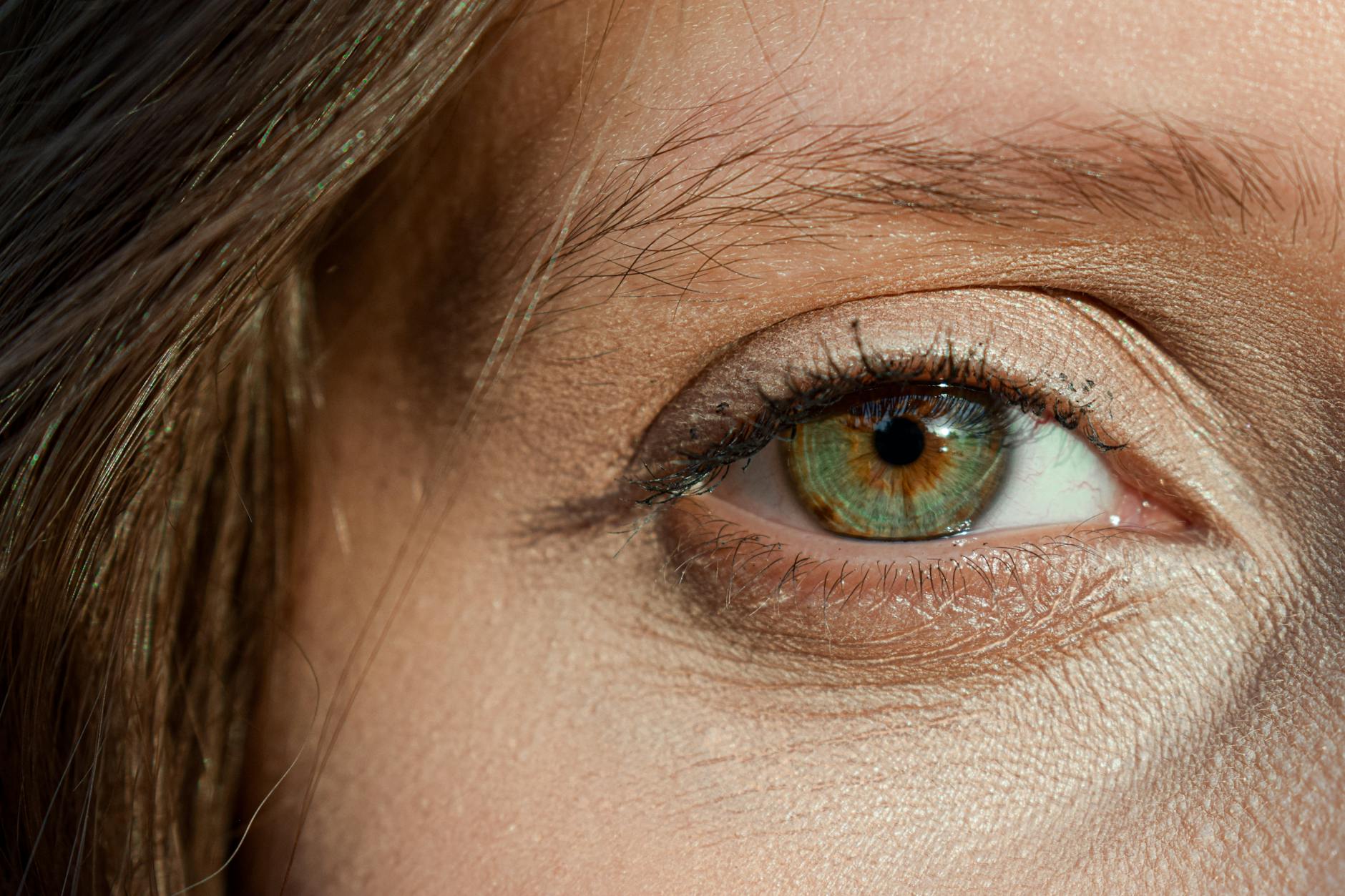
Photo by Angela Roma
Deciding to get eyelid surgery is a personal choice. Whether your goal is to brighten your eyes or address functional concerns, understanding your options is the first step. The right approach will not just change but will enhance your natural beauty.
So, if this procedure is on your mind, consult a registered professional, move forward confidently and make the best decision for yourself.


No matter how much sleep you get, those under-eye bags or sagging lids just won’t go away. Even worse? People keep asking if you’re tired, when you feel perfectly fine. You’ve tried eye creams, cooling masks, and every skincare trick available, but the results are always temporary. At some point, it becomes clear: skincare alone isn’t enough.
That’s when eyelid surgery acts as a game changer. Unlike short-term fixes, it provides long-lasting results, helping you achieve a refreshed, youthful appearance. However, choosing the right one can feel overwhelming, given the different procedures available. The good part? You don’t have to figure it out alone. In this article, we’ll break down the different types of eyelid treatments and help you determine the best option for your needs.
The Different Types of Eyelid Surgery
Upper Eyelid Surgery
Upper eyelid surgery helps reduce sagging skin on the upper eyelids, making you look tired or interfering with your vision. This surgery removes extra skin, lifts the eyelids, and makes you look younger.
Generally, people opt for this when their upper eyelids are droopy due to aging or want them to look more shaped.
Lower Eyelid Surgery
Lower eyelid surgery targets under-eye bags, puffiness, and wrinkles. If you constantly look tired despite getting enough sleep, this procedure can help. The surgeons start by removing or repositioning fat deposits. Afterward, they tighten the skin for a refreshed and smoother look.
Double Eyelid Surgery
Double eyelid surgery is popular among those who want to create a defined upper eyelid crease. This is especially common in monolid individuals who desire a more open and contoured eye shape. The best part? Depending on your eyelid structure and desired results, this surgery can be performed using either an incision or a non-incision method.
How to Choose the Right Type Of Surgery
Consult with a Board-Certified Surgeon
Choosing the right surgeon is the first and most important step toward achieving natural, refreshed results. A board-certified specialist will carefully evaluate your eyelid structure, understand your concerns, and recommend the most suitable procedure. Their expertise ensures a balanced, harmonious look that complements your natural beauty.
Luckily, in this digital age, finding a qualified professional is easy. Say you’re in Portland and looking for the best eyelid surgery options. In this case, search for “Upper eyelid surgery in Portland” or “Lower eyelid surgery in Portland”on Google. You’ll find expert surgeons who can guide you through the process, helping you make the best choice for your goals.
Identify Your Main Concern
What bothers you most about your eyelids? Are you struggling with droopy upper lids, puffy under-eyes, or a lack of eyelid definition? Pinpointing your primary concern will help you determine which type of surgery will give you the best outcome.
Assess Your Eyelid Condition
Every eyelid is unique. Some people have excess skin, while others have more fat deposits. This is where a good surgeon can help you. They will assess your eyelid structure and recommend a tailored solution based on your needs.
Consider Your Age & Skin Type
Age and skin elasticity are significant factors in the effectiveness of a procedure. Younger individuals can easily benefit from non-incision techniques. In contrast, older patients may need more comprehensive surgical intervention to remove excess skin and tighten the area.
What to Expect Before, During, and After Surgery
Pre-Surgery Preparation
Your surgeon will provide you with detailed instructions before your procedure. These include avoiding certain medications, quitting smoking, and keeping your skin in good condition. You’ll also have a pre-op consultation to discuss expectations and possible risks.
The Surgical Procedure
Upper Eyelid Surgery: It typically involves making an incision along the natural crease. It cuts down the excess skin and fat and carefully sutures the area for a natural look.
Lower Eyelid Surgery: It involves an incision right below the lash line or inside the eyelid to remove or reposition fat and tighten the skin.
Double Eyelid Surgery: It creates a new crease using an incision or a suture method, depending on the desired look.
The procedure usually takes one to two hours and is performed under local anesthesia with sedation or general anesthesia.
Recovery & Healing
Healing time varies, but most patients can expect the following:
First Few Days: Swelling, bruising, and mild discomfort.
One To Two Weeks: Visible improvement, with most swelling subsiding.
One Month: Final results start to become noticeable.
Three To Six Months: Full recovery with natural-looking results.
To aid recovery, follow your surgeon’s post-op care instructions. It includes using cold compresses, avoiding strenuous activities, and keeping your head elevated while sleeping.
Deciding to get eyelid surgery is a personal choice. Whether your goal is to brighten your eyes or address functional concerns, understanding your options is the first step. The right approach will not just change but will enhance your natural beauty.
So, if this procedure is on your mind, consult a registered professional, move forward confidently and make the best decision for yourself.
Share this:
Like this: