Exploring a city or region on foot often gives a more grounded sense of place than any tour bus. Walking reveals details you’d otherwise miss: the way locals arrange morning routines, the smell of food from a corner café, or the quiet shifts in terrain.
Across the world, there are trails and routes that suit every level of walker, from short, easy strolls to multi-day hikes. This guide focuses on five walking experiences that combine practicality and insight. Each one offers a chance to move at your own pace while noticing the small things that make a destination unique. You’ll get an idea of what to expect, where to stay or start, and tips to make the walk more straightforward and enjoyable.
Sri Lanka: The Pekoe Trail
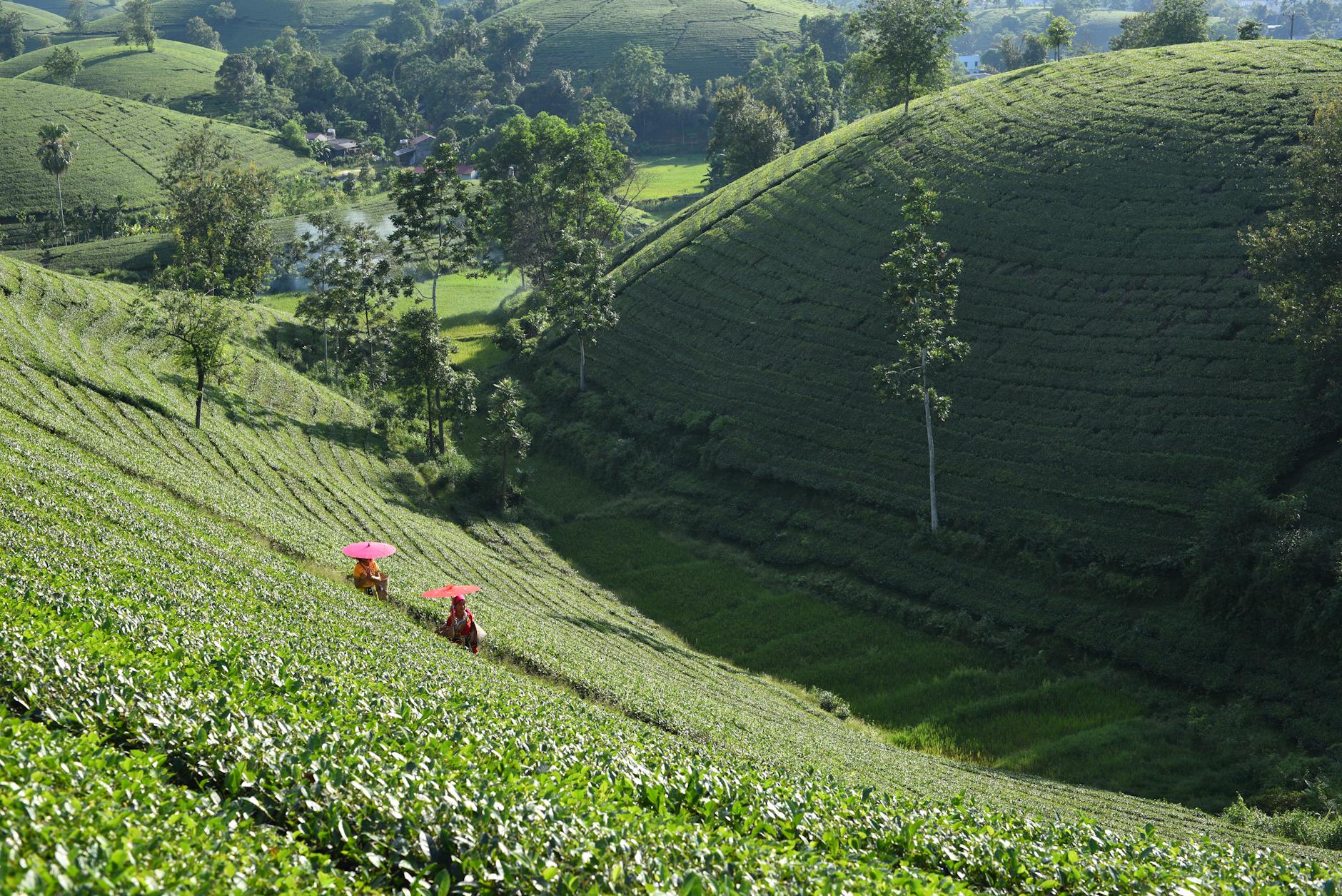
The Pekoe Trail winds through central Sri Lanka’s tea country, following narrow paths between working plantations and small villages. Walkers pass estates where workers pluck leaves under shaded canopies, and it’s easy to pause and observe or chat with locals. The trail is well-marked but sometimes slippery after rain, so sturdy shoes and a careful pace matter.
There are a few small cafés along the way, offering black tea or light snacks. For anyone keen to see the hill country without large crowds, this is ideal. Many local operators offer adventurous trekking tours in Sri Lanka, providing luggage transfers and overnight stays in simple guesthouses. Walking here isn’t rushed: the rhythm is set by the terrain and the occasional call to tea time rather than a timetable. You’ll finish with a quiet sense of the area’s working rhythm.
Photo by Atlantic Ambience
Italy: Cinque Terre Coastal Paths
In Liguria, the Cinque Terre paths connect five fishing villages along steep cliffs. The main routes vary in difficulty, from gentle slopes between Riomaggiore and Manarola to more demanding stretches near Monterosso.
Walking between the villages, you notice little details: drying laundry over balconies, fishermen mending nets, cafés where locals drop in for a coffee before heading to work. There are informal snack points and small shops selling focaccia or pesto. Pace yourself and carry water, as shade can be limited.
The experience feels practical: you’re getting from one village to the next, but also learning how life adapts to steep terrain. Even short sections can take a few hours if you stop frequently.
Peru: The Inca Trail
The Inca Trail to Machu Picchu is planned and regulated, and walking it requires preparation. Expect rocky paths, steep ascents, and varying weather conditions. Along the way, ancient ruins, terraced hillsides, and small campsites provide stopping points.
Most hikers follow guided tours, which makes permits, logistics, and food easier. For anyone looking to combine history with physical activity, there are exciting Inca trail holidays that include support staff, porters, and practical advice on gear and timing. The trail’s rhythm is defined by terrain and daily distance rather than a fixed schedule.
While some sections challenge even fit walkers, the focus is on moving steadily and observing details: stone walls, water channels, and how paths contour the mountains. At the end, you approach Machu Picchu from a quiet vantage rather than a bus-loaded viewpoint.
Photo by Paolo San
Japan: Nakasendo Way
The Nakasendo Way links Kyoto and Tokyo through forested passes and preserved post towns. Parts of the trail pass under thick tree cover, while other sections skirt rice paddies or quiet rural streets. Walking here gives a real sense of how people moved centuries ago.
Accommodations are simple inns in former post towns, often with communal baths and local meals. The trail is mostly clear, though signposting can vary in rural stretches. Travellers quickly learn the value of lightweight gear and modest expectations about mobile signal.
There’s a subtle rhythm to the trail: mornings often bring mist over the hills, afternoons reveal the patchwork of fields and temples. A day’s walk can feel productive without being exhausting, and stopping at a small shop for a rice ball or tea feels just as important as the scenery. It’s straightforward walking with practical rewards.
Photo by Evgeny Tchebotarev
France: Alsace Vineyards Route
Walking through Alsace’s vineyards offers a mix of village streets, quiet lanes, and gentle slopes. The region is known for wine, but the walk itself is equally interesting. Small villages like Riquewihr and Eguisheim have narrow streets with traditional timber houses. The vineyards rise gradually, and signs mark tasting points and occasional shelters.
You can carry water and a snack or stop in a cellar for a short tasting without feeling rushed. Paths are usually well-maintained, though some dirt tracks get muddy after rain. Observing the way locals farm, repair fences, and maintain houses adds a practical layer to the walk.
Maps are readily available, and public transport can help shorten sections if needed. This walk is accessible for most people who are comfortable on uneven ground, and it allows a steady, relaxed pace through rural France.
Photo by Matheus Guimarães
Which Walking Experience Fits You Best?
Choosing a walk depends on what you want to see, how much time you have, and your comfort level with uneven ground or basic accommodations. Some walks are short but steep, others stretch over several days with gear to carry.
Practical considerations, such as footwear, water, sun protection, or rain gear, matter more than scenery alone. Each trail has a rhythm set by terrain and local patterns rather than a schedule. By thinking about pace, stops, and logistics before you go, you’ll get more out of the walk and avoid the common frustration of arriving somewhere unprepared.
Every route offers insight into daily life, local culture, and how people adapt to their environment. So, which walk suits your style and stamina, and where would you start exploring first?


Exploring a city or region on foot often gives a more grounded sense of place than any tour bus. Walking reveals details you’d otherwise miss: the way locals arrange morning routines, the smell of food from a corner café, or the quiet shifts in terrain.
Across the world, there are trails and routes that suit every level of walker, from short, easy strolls to multi-day hikes. This guide focuses on five walking experiences that combine practicality and insight. Each one offers a chance to move at your own pace while noticing the small things that make a destination unique. You’ll get an idea of what to expect, where to stay or start, and tips to make the walk more straightforward and enjoyable.
Sri Lanka: The Pekoe Trail
The Pekoe Trail winds through central Sri Lanka’s tea country, following narrow paths between working plantations and small villages. Walkers pass estates where workers pluck leaves under shaded canopies, and it’s easy to pause and observe or chat with locals. The trail is well-marked but sometimes slippery after rain, so sturdy shoes and a careful pace matter.
There are a few small cafés along the way, offering black tea or light snacks. For anyone keen to see the hill country without large crowds, this is ideal. Many local operators offer adventurous trekking tours in Sri Lanka, providing luggage transfers and overnight stays in simple guesthouses. Walking here isn’t rushed: the rhythm is set by the terrain and the occasional call to tea time rather than a timetable. You’ll finish with a quiet sense of the area’s working rhythm.
Italy: Cinque Terre Coastal Paths
In Liguria, the Cinque Terre paths connect five fishing villages along steep cliffs. The main routes vary in difficulty, from gentle slopes between Riomaggiore and Manarola to more demanding stretches near Monterosso.
Walking between the villages, you notice little details: drying laundry over balconies, fishermen mending nets, cafés where locals drop in for a coffee before heading to work. There are informal snack points and small shops selling focaccia or pesto. Pace yourself and carry water, as shade can be limited.
The experience feels practical: you’re getting from one village to the next, but also learning how life adapts to steep terrain. Even short sections can take a few hours if you stop frequently.
Peru: The Inca Trail
The Inca Trail to Machu Picchu is planned and regulated, and walking it requires preparation. Expect rocky paths, steep ascents, and varying weather conditions. Along the way, ancient ruins, terraced hillsides, and small campsites provide stopping points.
Most hikers follow guided tours, which makes permits, logistics, and food easier. For anyone looking to combine history with physical activity, there are exciting Inca trail holidays that include support staff, porters, and practical advice on gear and timing. The trail’s rhythm is defined by terrain and daily distance rather than a fixed schedule.
While some sections challenge even fit walkers, the focus is on moving steadily and observing details: stone walls, water channels, and how paths contour the mountains. At the end, you approach Machu Picchu from a quiet vantage rather than a bus-loaded viewpoint.
Japan: Nakasendo Way
The Nakasendo Way links Kyoto and Tokyo through forested passes and preserved post towns. Parts of the trail pass under thick tree cover, while other sections skirt rice paddies or quiet rural streets. Walking here gives a real sense of how people moved centuries ago.
Accommodations are simple inns in former post towns, often with communal baths and local meals. The trail is mostly clear, though signposting can vary in rural stretches. Travellers quickly learn the value of lightweight gear and modest expectations about mobile signal.
There’s a subtle rhythm to the trail: mornings often bring mist over the hills, afternoons reveal the patchwork of fields and temples. A day’s walk can feel productive without being exhausting, and stopping at a small shop for a rice ball or tea feels just as important as the scenery. It’s straightforward walking with practical rewards.
France: Alsace Vineyards Route
Walking through Alsace’s vineyards offers a mix of village streets, quiet lanes, and gentle slopes. The region is known for wine, but the walk itself is equally interesting. Small villages like Riquewihr and Eguisheim have narrow streets with traditional timber houses. The vineyards rise gradually, and signs mark tasting points and occasional shelters.
You can carry water and a snack or stop in a cellar for a short tasting without feeling rushed. Paths are usually well-maintained, though some dirt tracks get muddy after rain. Observing the way locals farm, repair fences, and maintain houses adds a practical layer to the walk.
Maps are readily available, and public transport can help shorten sections if needed. This walk is accessible for most people who are comfortable on uneven ground, and it allows a steady, relaxed pace through rural France.
Which Walking Experience Fits You Best?
Choosing a walk depends on what you want to see, how much time you have, and your comfort level with uneven ground or basic accommodations. Some walks are short but steep, others stretch over several days with gear to carry.
Practical considerations, such as footwear, water, sun protection, or rain gear, matter more than scenery alone. Each trail has a rhythm set by terrain and local patterns rather than a schedule. By thinking about pace, stops, and logistics before you go, you’ll get more out of the walk and avoid the common frustration of arriving somewhere unprepared.
Every route offers insight into daily life, local culture, and how people adapt to their environment. So, which walk suits your style and stamina, and where would you start exploring first?
Share this:
Like this: