There is a distinct satisfaction in packing heavy woollens instead of swimwear. Winter travel offers a stark, refreshing counterpoint to the usual sun-seeking holiday. It is about the sharp intake of freezing air, the crunch of snow under heavy boots, and the genuine comfort of a roaring fire when the day is done. These trips aren’t about idling; they engage the senses fully. The destinations below combine extreme landscapes with the necessary comforts to make them accessible. From the deep powder of Japan to the silence of the Antarctic shelf, the cold brings a clarity that is hard to find elsewhere.
Zermatt, Switzerland
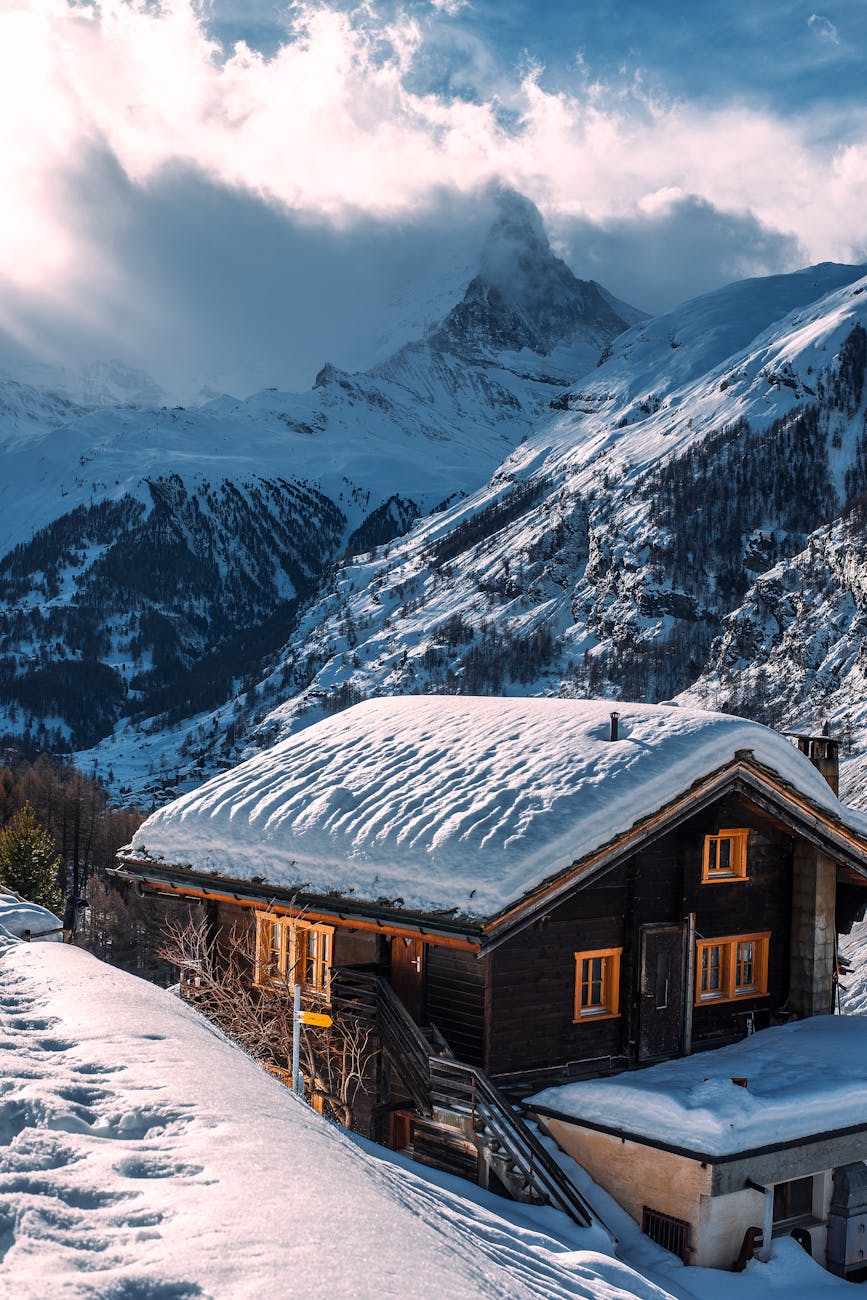
Zermatt requires a specific approach because it is not accessible by car. The road ends in Täsch, and the train takes over, winding up the valley until the Matterhorn dominates the view. It is a dense, bustling town, but the engineering is world-class. The lift network is vast, connecting high-altitude pistes with Cervinia in Italy. You can ski across the border for a mid-morning espresso and return before the lifts close. The altitude ensures snow is rarely an issue here, even when lower resorts struggle.
Accommodation has evolved beyond just the historic hotels. Many regular visitors now prefer to book luxury ski chalets in Zermatt to secure more privacy. These are often tucked away in the Winkelmatten area, slightly removed from the main street’s noise. It allows for a quieter morning routine and often includes a guide who knows exactly how to navigate the crowds at the Glacier Paradise station during peak season. It separates the sleeping from the après-ski noise effectively.
Hokkaido, Japan
The snow in Hokkaido is unlike anything in Europe or North America. Cold winds from Siberia pick up moisture over the Sea of Japan, dumping incredibly dry, light powder on Niseko consistently. It isn’t about steep, technical lines here; the joy comes from floating through birch forests in deep snow that feels weightless. The resort system is interconnected, and the night skiing is extensive, with powerful floodlights keeping the tree runs open well into the evening.
Off the mountain, the culture is distinct. Volcanic hot springs, or onsens, are a daily necessity for soothing tired legs. It is a raw, sensory experience to soak in hot water while snow falls on your head. Dining is unpretentious but exceptional. You won’t find fondue; instead, you’ll find small izakayas serving steaming Hokkaido ramen and fresh seafood. It is functional luxury, focused entirely on the quality of the snow and the food rather than white-glove service.
Photo by Matt Hardy
Antarctica
Reaching the Antarctic Peninsula is a logistical feat rather than a standard getaway. The journey starts in Ushuaia, pushing through the Drake Passage for two days. It is rough, grey, and demanding, even with modern stabilisers. Once the ship arrives, the schedule is entirely weather-dependent. You don’t follow a strict itinerary; you follow the ice captain’s instructions. The silence is profound, broken only by calving glaciers or the noise of penguin colonies.
Selecting the right vessel is critical. To find an Antarctica cruise that offers a genuine experience, avoid the large liners. You need a smaller expedition ship with a high ice rating. Strict environmental rules limit landings to 100 people at a time. On a small ship, you are on the ice twice a day. On a big ship, you spend most of the trip waiting in the lounge. It is the difference between seeing the continent and actually standing on it.
The Dolomites, Italy
The Dolomites offer a visual drama that the rest of the Alps cannot match. The mountains are sheer limestone walls that turn a rusty pink at sunset. Skiing around Alta Badia or Val Gardena is about covering distance. The Sella Ronda circuit allows you to loop the entire Sella massif in a day, using a mix of lifts and groomed runs without retracing your steps. It is a vast area, but the navigation is intuitive, and the scenery changes constantly.
Food is the real anchor here. As this is South Tyrol, the culture blends Austrian tradition with Italian style. Mountain huts, or rifugios, serve high-end meals rather than basic cafeteria food. You are likely to eat venison ragu or dumplings on a sunny terrace at 2,000 metres. The pace is slower than in France, with long lunches being a non-negotiable part of the day. It is less about sport and more about the good life.
Iceland
Winter travel in Iceland is defined by the light. In December, you might only get four hours of daylight, which forces a slower, more deliberate itinerary. The terrain near Grindavík is stark, black lava fields under white snow. Luxury here is often found at The Blue Lagoon. It has a private section of the geothermal water, cutting out the crowds of the main pool for a silent, steam-filled soak that feels completely isolated.
The Northern Lights are the obvious draw, but they are never guaranteed. Staying outside Reykjavik, away from city lights, improves the odds significantly. Many hotels offer wake-up calls when the aurora appears, so you don’t have to stay awake all night. The weather is volatile, shifting from clear skies to horizontal sleet in minutes. You need flexible plans and good gear, but the raw, untamed nature of the island is the whole point.
Photo by Tomáš Malík
Are You Prepared for the Cold?
Planning a trip to the cold requires more logistics than a beach holiday. The gear is heavier, the days are shorter, and the travel time can be longer. But the payoff is a specific kind of clarity.
Whether it is the deep powder of Japan or the pink sunsets of Italy, these places force you to be present. The cold commands attention in a way that heat doesn’t. It is about physical effort followed by intense comfort. These aren’t just holidays; they are experiences that stick with you long after the snow melts.


There is a distinct satisfaction in packing heavy woollens instead of swimwear. Winter travel offers a stark, refreshing counterpoint to the usual sun-seeking holiday. It is about the sharp intake of freezing air, the crunch of snow under heavy boots, and the genuine comfort of a roaring fire when the day is done. These trips aren’t about idling; they engage the senses fully. The destinations below combine extreme landscapes with the necessary comforts to make them accessible. From the deep powder of Japan to the silence of the Antarctic shelf, the cold brings a clarity that is hard to find elsewhere.
Zermatt, Switzerland
Zermatt requires a specific approach because it is not accessible by car. The road ends in Täsch, and the train takes over, winding up the valley until the Matterhorn dominates the view. It is a dense, bustling town, but the engineering is world-class. The lift network is vast, connecting high-altitude pistes with Cervinia in Italy. You can ski across the border for a mid-morning espresso and return before the lifts close. The altitude ensures snow is rarely an issue here, even when lower resorts struggle.
Accommodation has evolved beyond just the historic hotels. Many regular visitors now prefer to book luxury ski chalets in Zermatt to secure more privacy. These are often tucked away in the Winkelmatten area, slightly removed from the main street’s noise. It allows for a quieter morning routine and often includes a guide who knows exactly how to navigate the crowds at the Glacier Paradise station during peak season. It separates the sleeping from the après-ski noise effectively.
Hokkaido, Japan
The snow in Hokkaido is unlike anything in Europe or North America. Cold winds from Siberia pick up moisture over the Sea of Japan, dumping incredibly dry, light powder on Niseko consistently. It isn’t about steep, technical lines here; the joy comes from floating through birch forests in deep snow that feels weightless. The resort system is interconnected, and the night skiing is extensive, with powerful floodlights keeping the tree runs open well into the evening.
Off the mountain, the culture is distinct. Volcanic hot springs, or onsens, are a daily necessity for soothing tired legs. It is a raw, sensory experience to soak in hot water while snow falls on your head. Dining is unpretentious but exceptional. You won’t find fondue; instead, you’ll find small izakayas serving steaming Hokkaido ramen and fresh seafood. It is functional luxury, focused entirely on the quality of the snow and the food rather than white-glove service.
Antarctica
Reaching the Antarctic Peninsula is a logistical feat rather than a standard getaway. The journey starts in Ushuaia, pushing through the Drake Passage for two days. It is rough, grey, and demanding, even with modern stabilisers. Once the ship arrives, the schedule is entirely weather-dependent. You don’t follow a strict itinerary; you follow the ice captain’s instructions. The silence is profound, broken only by calving glaciers or the noise of penguin colonies.
Selecting the right vessel is critical. To find an Antarctica cruise that offers a genuine experience, avoid the large liners. You need a smaller expedition ship with a high ice rating. Strict environmental rules limit landings to 100 people at a time. On a small ship, you are on the ice twice a day. On a big ship, you spend most of the trip waiting in the lounge. It is the difference between seeing the continent and actually standing on it.
The Dolomites, Italy
The Dolomites offer a visual drama that the rest of the Alps cannot match. The mountains are sheer limestone walls that turn a rusty pink at sunset. Skiing around Alta Badia or Val Gardena is about covering distance. The Sella Ronda circuit allows you to loop the entire Sella massif in a day, using a mix of lifts and groomed runs without retracing your steps. It is a vast area, but the navigation is intuitive, and the scenery changes constantly.
Food is the real anchor here. As this is South Tyrol, the culture blends Austrian tradition with Italian style. Mountain huts, or rifugios, serve high-end meals rather than basic cafeteria food. You are likely to eat venison ragu or dumplings on a sunny terrace at 2,000 metres. The pace is slower than in France, with long lunches being a non-negotiable part of the day. It is less about sport and more about the good life.
Iceland
Winter travel in Iceland is defined by the light. In December, you might only get four hours of daylight, which forces a slower, more deliberate itinerary. The terrain near Grindavík is stark, black lava fields under white snow. Luxury here is often found at The Blue Lagoon. It has a private section of the geothermal water, cutting out the crowds of the main pool for a silent, steam-filled soak that feels completely isolated.
The Northern Lights are the obvious draw, but they are never guaranteed. Staying outside Reykjavik, away from city lights, improves the odds significantly. Many hotels offer wake-up calls when the aurora appears, so you don’t have to stay awake all night. The weather is volatile, shifting from clear skies to horizontal sleet in minutes. You need flexible plans and good gear, but the raw, untamed nature of the island is the whole point.
Are You Prepared for the Cold?
Planning a trip to the cold requires more logistics than a beach holiday. The gear is heavier, the days are shorter, and the travel time can be longer. But the payoff is a specific kind of clarity.
Whether it is the deep powder of Japan or the pink sunsets of Italy, these places force you to be present. The cold commands attention in a way that heat doesn’t. It is about physical effort followed by intense comfort. These aren’t just holidays; they are experiences that stick with you long after the snow melts.
Share this:
Like this: