Most of us spend more time on digital screens than we ever expected. Work, entertainment, social connection, online shopping, and even reading have shifted onto phones, tablets, and computers. As a result, long stretches of screen time have become part of the average day, sometimes filling morning until night without much pause. Along with that change comes one important question that many people overlook: what is all this screen exposure doing to our eyes and our general comfort?
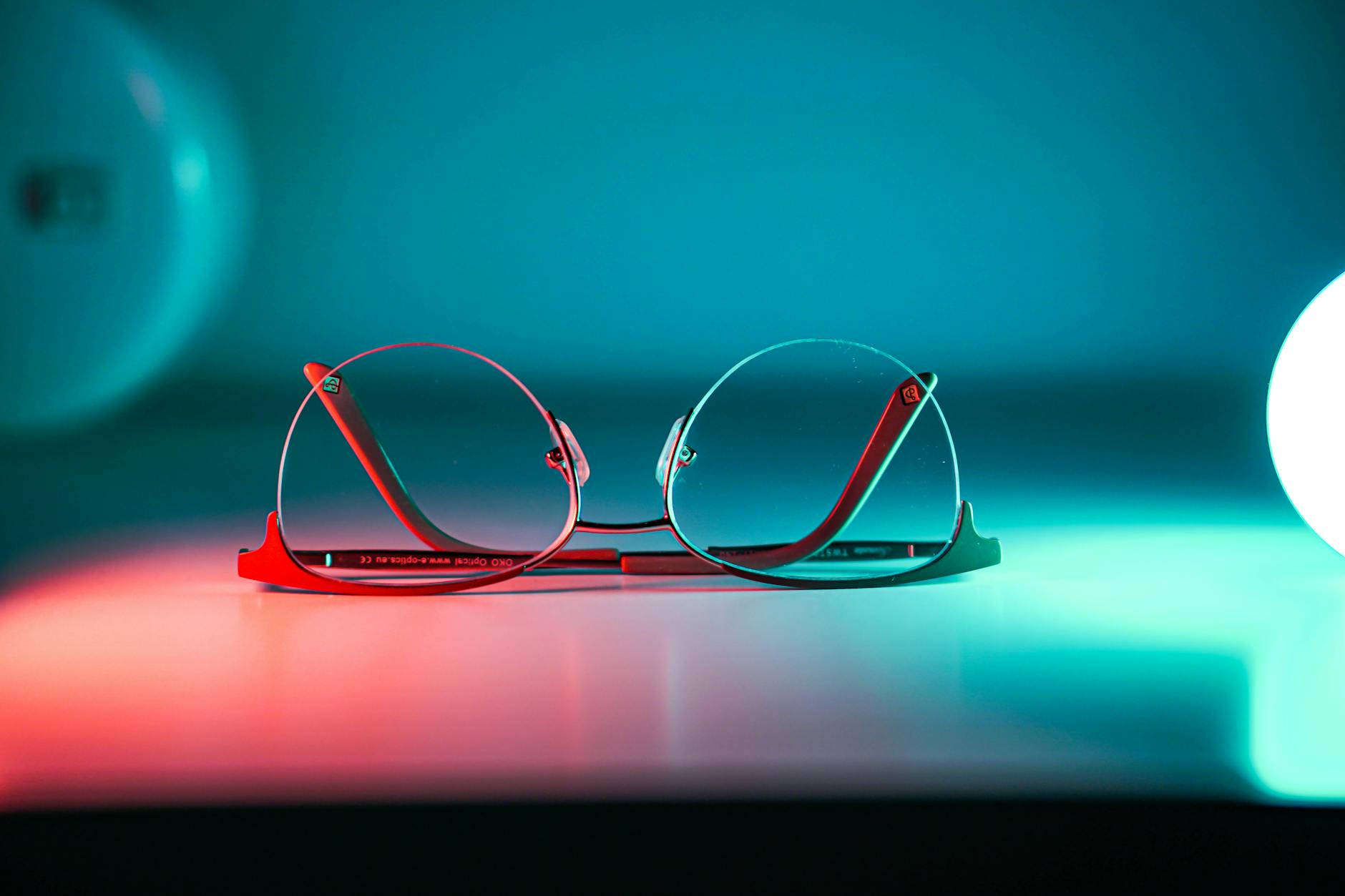
One part of the conversation is blue light. Blue light is a short wavelength, high energy form of visible light that comes from digital screens, as well as from the sun. It is not harmful in the same way as ultraviolet light, but it does influence how strained or alert our eyes feel. Because screens place blue light directly in front of us at close range, our eyes often work harder than they would in natural environments. Blue light glasses are designed to filter a portion of this light and make digital viewing easier on the eyes.
If you have wondered whether blue light glasses might help you, these seven signs can guide you. They are based on common experiences that many people report once their screen use increases. As you read them, notice which ones relate to your daily routine.
1. You Frequently Experience Digital Eye Strain
Digital eye strain has become a buzz phrase for a reason. Long sessions on a screen can lead to tired, irritated eyes that struggle to stay focused. You might notice that your eyes feel unusually dry, even if you blink often. You might find your vision becoming fuzzy when you shift your gaze from the screen to something farther away. Some people even describe a mild burning sensation or a feeling of heaviness around their eyelids after a workday spent staring at a display.
These symptoms can appear because blue light scatters more easily than warmer colors, which means your eyes must constantly adjust to maintain clarity. Blue light lenses filter out a portion of this high energy visible light, lowering the visual demand placed on your eyes. This can make screen time feel less tiring and help you work for longer periods without discomfort. While blue light glasses are not a medical treatment, they can offer a simple layer of protection that supports overall comfort.
2. Headaches Often Follow Your Screen Time
Another common sign that blue light glasses might be helpful is the presence of headaches that come on after heavy screen use. Many people report tension around the forehead or the area behind the eyes after spending the day in front of a computer. Even if the headaches are mild, they can become a daily frustration that affects productivity and mood.
There are several reasons digital devices can trigger headaches. Bright screens demand sustained focus. Text and images on a backlit surface require continuous micro adjustments from the eyes. Blue light can also make certain individuals more sensitive by causing visual overstimulation. When you combine all of this with long work sessions, headaches become more likely.
Blue light filtering lenses can soften the visual intensity of screens, making it easier for the brain and eyes to process what they see. This reduction in strain may help lessen the frequency or severity of headaches related to screen exposure. If you often reach for pain relief after long digital sessions, it might be worth exploring this option.
3. You Struggle to Fall Asleep After Using Devices at Night
If you have ever used your phone in bed and then found yourself lying awake longer than expected, blue light may be partly responsible. Blue light influences the production of melatonin, the hormone that signals to your body that it is time to sleep. When your eyes absorb blue light late in the evening, your natural sleep cycle may shift, making it harder to feel tired at a reasonable hour.
In our modern routines, many people enjoy winding down with a show, a social media scroll, or a bit of reading on a tablet. While these habits are comforting, they often delay the sensation of fatigue. Blue light glasses can help by limiting the amount of stimulating light entering your eyes during evening hours. This support allows your body to maintain a more natural rhythm and may make it easier to fall asleep on time.
These glasses are not a cure for insomnia, but they can be a valuable addition to your nighttime routine if you rely heavily on digital entertainment before bed.
You might be surprised by how quickly screen time adds up. Many people who work from home or in office settings easily exceed six hours a day on their computer. When you add phones, television, and gaming, the total can be even higher. Digital learning and remote collaboration tools have normalized long sessions of concentrated screen viewing.
Prolonged exposure increases the likelihood of visual fatigue because your eyes never get a true break from the concentrated blue light emitted by screens. Over time, the cumulative strain can make your eyes feel persistently tired, even during the weekend or on days when your screen use is lower.
If your lifestyle consistently involves more than six hours of screen time every day, blue light glasses can offer ongoing support. They help reduce the visual load during each session, which may protect your eyes from feeling overwhelmed. Even if you do not experience severe symptoms yet, using these glasses preventively can make a noticeable difference.
5. Bright Screens Cause Discomfort or Glare Sensitivity
Some individuals are naturally more sensitive to bright sources of light. If you find yourself squinting at your monitor, lowering your screen brightness frequently, or feeling uncomfortable in well lit rooms, you may have some level of glare sensitivity. Bright screens contain strong blue light components that can feel harsh, especially when viewed at close range.
Glare sensitivity can make everyday tasks more challenging. It may take longer to read text, or you may feel uneasy when switching between devices. Blue light glasses are designed to soften the visual experience by cutting back the intensity of the brightest wavelengths. This can reduce the feeling of glare and help you maintain a more comfortable posture and viewing angle without squinting.
If glare is something you have always noticed but never addressed, blue light filtering eyewear could bring immediate relief.
6. You Work in Dim or Poorly Lit Spaces
Low light environments make screens appear even brighter because of the contrast between the device and its surroundings. When your room lighting does not balance the light from your display, your eyes must work harder to adapt. This effect becomes more noticeable at night when ambient light drops and your screen becomes the dominant light source.
Working in dim spaces can also make your eyes tire faster because they constantly adjust between the darkness of the room and the brightness of the screen. Blue light glasses help by reducing the sharpest wavelengths, bringing the overall visual environment into a more comfortable range. They do not replace proper lighting, but they can help soften the contrast that contributes to strain.
If you frequently work late or enjoy using your devices in low light conditions, this sign is especially relevant.
7. You Are Looking for a Non Medicated Way to Support Eye Comfort
Many people look for a simple, natural option to ease their eye fatigue without turning to medication or more advanced treatments. Blue light glasses fit neatly into this preference. They do not alter your vision, require a prescription, or involve any form of chemicals or medication. They simply filter a portion of light to create a more comfortable visual environment.
As part of a wellness routine, blue light glasses offer a reassuring way to protect your eyes during long workdays or casual browsing. They can also pair well with other healthy habits, such as taking breaks, adjusting your screen settings, and maintaining balanced lighting. Think of them as a small but meaningful step toward supporting your eyes in a digital world.
Conclusion
The signs above are common experiences in an era where screens play a major role in daily life. Digital eye strain, headaches, trouble sleeping, bright screen discomfort, long work sessions, dim environments, and the desire for a simple wellness tool all point to the same conclusion. If several of these descriptions match your routine, it may be time to try blue light glasses.
They offer a gentle, non-intrusive way to support comfort and give your eyes a break without changing your lifestyle drastically. The goal is not perfection but improvement. Small adjustments can make a surprisingly big difference in how you feel at the end of each day. If you are ready to explore a straightforward step toward eye wellness, blue light glasses may be a great place to start.


Most of us spend more time on digital screens than we ever expected. Work, entertainment, social connection, online shopping, and even reading have shifted onto phones, tablets, and computers. As a result, long stretches of screen time have become part of the average day, sometimes filling morning until night without much pause. Along with that change comes one important question that many people overlook: what is all this screen exposure doing to our eyes and our general comfort?
One part of the conversation is blue light. Blue light is a short wavelength, high energy form of visible light that comes from digital screens, as well as from the sun. It is not harmful in the same way as ultraviolet light, but it does influence how strained or alert our eyes feel. Because screens place blue light directly in front of us at close range, our eyes often work harder than they would in natural environments. Blue light glasses are designed to filter a portion of this light and make digital viewing easier on the eyes.
If you have wondered whether blue light glasses might help you, these seven signs can guide you. They are based on common experiences that many people report once their screen use increases. As you read them, notice which ones relate to your daily routine.
1. You Frequently Experience Digital Eye Strain
Digital eye strain has become a buzz phrase for a reason. Long sessions on a screen can lead to tired, irritated eyes that struggle to stay focused. You might notice that your eyes feel unusually dry, even if you blink often. You might find your vision becoming fuzzy when you shift your gaze from the screen to something farther away. Some people even describe a mild burning sensation or a feeling of heaviness around their eyelids after a workday spent staring at a display.
These symptoms can appear because blue light scatters more easily than warmer colors, which means your eyes must constantly adjust to maintain clarity. Blue light lenses filter out a portion of this high energy visible light, lowering the visual demand placed on your eyes. This can make screen time feel less tiring and help you work for longer periods without discomfort. While blue light glasses are not a medical treatment, they can offer a simple layer of protection that supports overall comfort.
2. Headaches Often Follow Your Screen Time
Another common sign that blue light glasses might be helpful is the presence of headaches that come on after heavy screen use. Many people report tension around the forehead or the area behind the eyes after spending the day in front of a computer. Even if the headaches are mild, they can become a daily frustration that affects productivity and mood.
There are several reasons digital devices can trigger headaches. Bright screens demand sustained focus. Text and images on a backlit surface require continuous micro adjustments from the eyes. Blue light can also make certain individuals more sensitive by causing visual overstimulation. When you combine all of this with long work sessions, headaches become more likely.
Blue light filtering lenses can soften the visual intensity of screens, making it easier for the brain and eyes to process what they see. This reduction in strain may help lessen the frequency or severity of headaches related to screen exposure. If you often reach for pain relief after long digital sessions, it might be worth exploring this option.
3. You Struggle to Fall Asleep After Using Devices at Night
If you have ever used your phone in bed and then found yourself lying awake longer than expected, blue light may be partly responsible. Blue light influences the production of melatonin, the hormone that signals to your body that it is time to sleep. When your eyes absorb blue light late in the evening, your natural sleep cycle may shift, making it harder to feel tired at a reasonable hour.
In our modern routines, many people enjoy winding down with a show, a social media scroll, or a bit of reading on a tablet. While these habits are comforting, they often delay the sensation of fatigue. Blue light glasses can help by limiting the amount of stimulating light entering your eyes during evening hours. This support allows your body to maintain a more natural rhythm and may make it easier to fall asleep on time.
These glasses are not a cure for insomnia, but they can be a valuable addition to your nighttime routine if you rely heavily on digital entertainment before bed.
4. You Spend More Than 6 Hours a Day on Screens
You might be surprised by how quickly screen time adds up. Many people who work from home or in office settings easily exceed six hours a day on their computer. When you add phones, television, and gaming, the total can be even higher. Digital learning and remote collaboration tools have normalized long sessions of concentrated screen viewing.
Prolonged exposure increases the likelihood of visual fatigue because your eyes never get a true break from the concentrated blue light emitted by screens. Over time, the cumulative strain can make your eyes feel persistently tired, even during the weekend or on days when your screen use is lower.
If your lifestyle consistently involves more than six hours of screen time every day, blue light glasses can offer ongoing support. They help reduce the visual load during each session, which may protect your eyes from feeling overwhelmed. Even if you do not experience severe symptoms yet, using these glasses preventively can make a noticeable difference.
5. Bright Screens Cause Discomfort or Glare Sensitivity
Some individuals are naturally more sensitive to bright sources of light. If you find yourself squinting at your monitor, lowering your screen brightness frequently, or feeling uncomfortable in well lit rooms, you may have some level of glare sensitivity. Bright screens contain strong blue light components that can feel harsh, especially when viewed at close range.
Glare sensitivity can make everyday tasks more challenging. It may take longer to read text, or you may feel uneasy when switching between devices. Blue light glasses are designed to soften the visual experience by cutting back the intensity of the brightest wavelengths. This can reduce the feeling of glare and help you maintain a more comfortable posture and viewing angle without squinting.
If glare is something you have always noticed but never addressed, blue light filtering eyewear could bring immediate relief.
6. You Work in Dim or Poorly Lit Spaces
Low light environments make screens appear even brighter because of the contrast between the device and its surroundings. When your room lighting does not balance the light from your display, your eyes must work harder to adapt. This effect becomes more noticeable at night when ambient light drops and your screen becomes the dominant light source.
Working in dim spaces can also make your eyes tire faster because they constantly adjust between the darkness of the room and the brightness of the screen. Blue light glasses help by reducing the sharpest wavelengths, bringing the overall visual environment into a more comfortable range. They do not replace proper lighting, but they can help soften the contrast that contributes to strain.
If you frequently work late or enjoy using your devices in low light conditions, this sign is especially relevant.
7. You Are Looking for a Non Medicated Way to Support Eye Comfort
Many people look for a simple, natural option to ease their eye fatigue without turning to medication or more advanced treatments. Blue light glasses fit neatly into this preference. They do not alter your vision, require a prescription, or involve any form of chemicals or medication. They simply filter a portion of light to create a more comfortable visual environment.
As part of a wellness routine, blue light glasses offer a reassuring way to protect your eyes during long workdays or casual browsing. They can also pair well with other healthy habits, such as taking breaks, adjusting your screen settings, and maintaining balanced lighting. Think of them as a small but meaningful step toward supporting your eyes in a digital world.
Conclusion
The signs above are common experiences in an era where screens play a major role in daily life. Digital eye strain, headaches, trouble sleeping, bright screen discomfort, long work sessions, dim environments, and the desire for a simple wellness tool all point to the same conclusion. If several of these descriptions match your routine, it may be time to try blue light glasses.
They offer a gentle, non-intrusive way to support comfort and give your eyes a break without changing your lifestyle drastically. The goal is not perfection but improvement. Small adjustments can make a surprisingly big difference in how you feel at the end of each day. If you are ready to explore a straightforward step toward eye wellness, blue light glasses may be a great place to start.
Share this:
Like this: