Leading Australian Surgeon, Dr Paul Coeancig shares his tips on how to sleep better and the impact of sleep on our bodies and minds ahead of World Sleep Day 2024.
In the fast-paced world we live in, sleep is often overlooked or sacrificed. However, the consequences of sleep disorders and inadequate sleep extend far beyond just feeling tired. Dr Paul Coceancig, an Australian Maxillofacial Surgeon with an extensive background in the treatment of sleep apnea, sheds light on the intricate relationship between sleep and physical and mental wellbeing.
Sleep disorders disrupt normal sleep patterns, causing difficulties in falling asleep, staying asleep, or experiencing restful sleep. More common disorders include sleep apnea, where breathing pauses during sleep; insomnia which is characterised by trouble sleeping; restless legs syndrome involving an uncontrollable urge to move the legs; and narcolepsy which leads to sudden bouts of daytime sleepiness.
One in five Australians may be unaware that they have sleep apnea, as the condition often goes undiagnosed with over 80% of Australians unaware they may have the disorder. Men are more likely to develop sleep apnea due to anatomical differences in airways and hormonal changes.
How lack of sleep affect us
Dr. Coceancig explains how sleep disorders and not getting enough quality sleep can affect our physical and mental health. The higher risks of heart issues and weakened immunity linked to poor sleep show the need to understand the overall impact of sleep on maintaining good long-term health. Lack of sleep not only affects physical well-being but also adds to mental health challenges like stress, anxiety, depression, and difficulty thinking clearly.
“Sleep disorders such as sleep apnea and not getting enough quality sleep have a big impact on our body and mind. It’s not just about what happens at night; it affects how we work and feel during the day, shaping our overall health both physically and mentally. Making sure we get good sleep is crucial for a balanced and happy life,” says Dr Coceancig.
“Studies suggest a strong connection between not getting enough sleep and a higher risk of heart diseases, including hypertension and coronary heart disease. Sleep also plays a crucial role in our immune function, and ongoing lack of sleep may weaken the immune system, making us more vulnerable to infections.
“Inadequate sleep is also linked to mental health issues like depression, anxiety, and mood disorders. Ongoing sleep problems, such as insomnia, are often connected to a higher risk of developing mental health conditions. Poor sleep can also negatively affect cognitive function, including memory, attention, and decision-making.
“There’s evidence showing that not getting enough sleep may disrupt hormonal balance, leading to increased appetite, poor metabolism, and weight gain. This, in turn, can contribute to obesity and related health problems.
“The recommended amount of sleep for adults, regardless of gender, is generally 7 to 9 hours per night. Both men and women benefit from adequate and quality sleep to support overall health and wellbeing. However, individual sleep needs can vary, and factors such as age, lifestyle and health conditions may influence the optimal amount of sleep for a particular person.”
Dr Coceancig reveals that adopting healthier lifestyle habits, implementing a sleep routine, managing stress and quietening the senses can all help you fall asleep more swiftly, reducing your risk of physical and mental health issues:
How to sleep better
1. Listen to a sonorous voice or white noise
Listening to a sonorous sound before sleep is similar to hypnotism in that you endeavour to deplete all of the senses and maintain contact with your conscious using only the voice. Falling asleep to the sound of a droning voice intentionally places your attention on just that voice, causing you to lose your senses one by one until you drift into slumber.
2. Remove distracting lights
Sleeping in complete darkness helps to disarm your visual sense. Removing flashing lights, LED light, screens and limiting phone activity for at least an hour before bed can help quiet your mind and most importantly, your Visual Sensory System.
3. Consider bedroom temperature
Many people experience trouble sleeping due to the temperature of their bedroom. It shouldn’t be too hot or too cold, with the ideal temperature for a great night’s sleep being 24 degrees °C. Where possible also avoid or limit air movement, using fans and or air conditioning.
4. Adopt sleep hygiene practices
Better sleep hygiene can also play a role in helping you fall asleep faster and achieve a better night’s sleep. Previous research has indicated that poor sleep hygiene practices have a significant impact on sleep quality and duration. Ensure your bedroom is well-kept, bedding is clean and that the environment is free of scents or odours to avoid stimulating your sense of smell.
5. Avoid the consumption of alcohol and unnecessary drug use
Unhealthy habits such as the intake of alcohol and drugs can greatly impact your quality of sleep and it is recommended to avoid at all costs. Instead, you should implement alternate strategies to manage stress and improve sleep quality.
The intricate connections between inadequate sleep, specific sleep disorders, and their profound effects on both physical and mental health highlight the importance of adopting healthier lifestyle and sleep habits. As the world looks ahead to World Sleep Day 2024, this emphasis serves as a crucial reminder of the pivotal role quality sleep plays in shaping a balanced and happy life. Dr Coceancig says that if you suspect you may have a sleep disorder, consult with your GP.
“Prioritising quality sleep through healthier habits not only safeguards our physical and mental well-being but also serves as a cornerstone for a balanced and fulfilling life”.
About Dr. Paul Coceancig
Dr. Paul Coceancig is an esteemed Maxillofacial Surgeon based in Australia, specialising in the diagnosis and treatment of sleep disorders. With a wealth of experience, Dr. Coceancig is committed to promoting better sleep and overall well-being. Visit his website here: https://drpaulcoceancig.com.au/


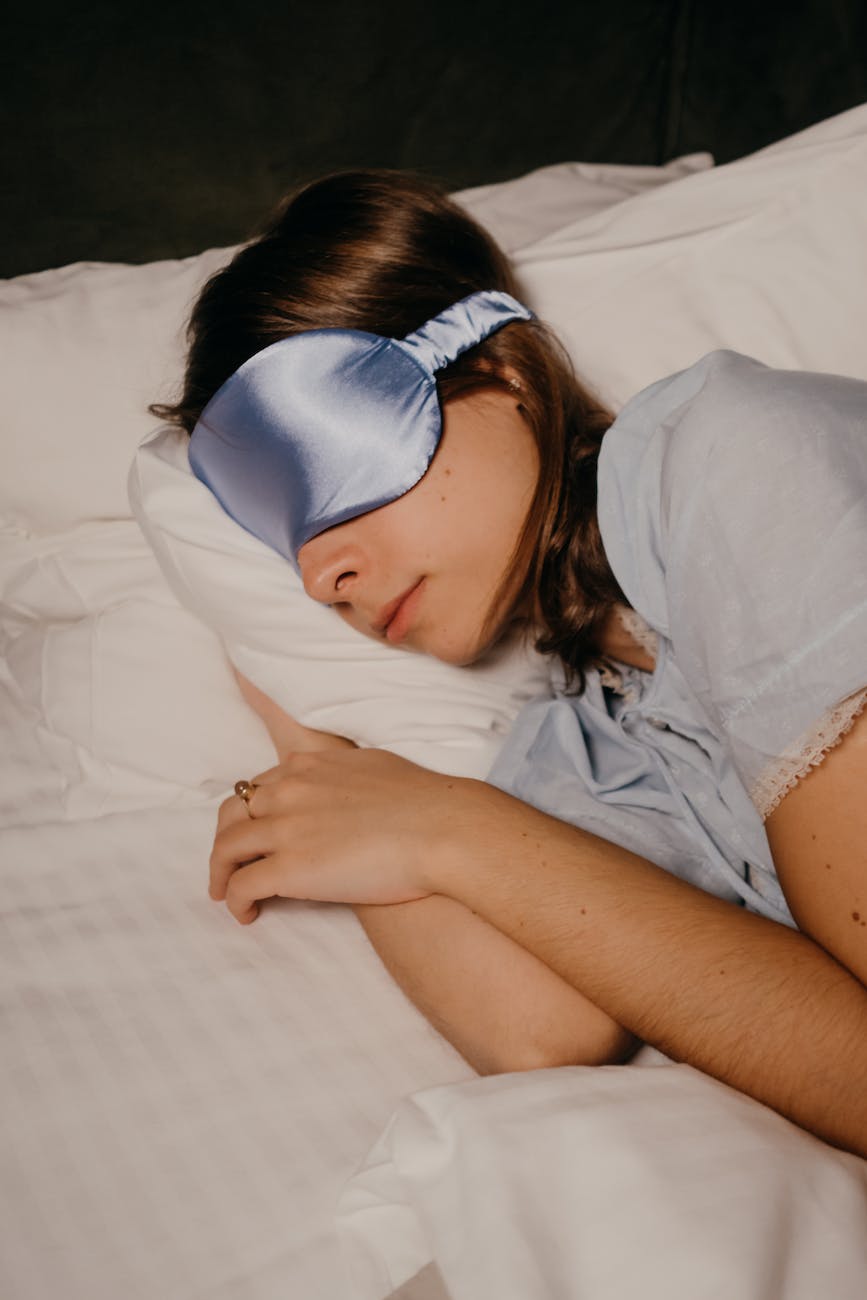
Leading Australian Surgeon, Dr Paul Coeancig shares his tips on how to sleep better and the impact of sleep on our bodies and minds ahead of World Sleep Day 2024.
In the fast-paced world we live in, sleep is often overlooked or sacrificed. However, the consequences of sleep disorders and inadequate sleep extend far beyond just feeling tired. Dr Paul Coceancig, an Australian Maxillofacial Surgeon with an extensive background in the treatment of sleep apnea, sheds light on the intricate relationship between sleep and physical and mental wellbeing.
According to the Australian Institute of Health and Welfare, nearly half (48%) of all Australians report at least two sleep related problems.
Sleep disorders disrupt normal sleep patterns, causing difficulties in falling asleep, staying asleep, or experiencing restful sleep. More common disorders include sleep apnea, where breathing pauses during sleep; insomnia which is characterised by trouble sleeping; restless legs syndrome involving an uncontrollable urge to move the legs; and narcolepsy which leads to sudden bouts of daytime sleepiness.
One in five Australians may be unaware that they have sleep apnea, as the condition often goes undiagnosed with over 80% of Australians unaware they may have the disorder. Men are more likely to develop sleep apnea due to anatomical differences in airways and hormonal changes.
How lack of sleep affect us
Dr. Coceancig explains how sleep disorders and not getting enough quality sleep can affect our physical and mental health. The higher risks of heart issues and weakened immunity linked to poor sleep show the need to understand the overall impact of sleep on maintaining good long-term health. Lack of sleep not only affects physical well-being but also adds to mental health challenges like stress, anxiety, depression, and difficulty thinking clearly.
“Sleep disorders such as sleep apnea and not getting enough quality sleep have a big impact on our body and mind. It’s not just about what happens at night; it affects how we work and feel during the day, shaping our overall health both physically and mentally. Making sure we get good sleep is crucial for a balanced and happy life,” says Dr Coceancig.
“Studies suggest a strong connection between not getting enough sleep and a higher risk of heart diseases, including hypertension and coronary heart disease. Sleep also plays a crucial role in our immune function, and ongoing lack of sleep may weaken the immune system, making us more vulnerable to infections.
“Inadequate sleep is also linked to mental health issues like depression, anxiety, and mood disorders. Ongoing sleep problems, such as insomnia, are often connected to a higher risk of developing mental health conditions. Poor sleep can also negatively affect cognitive function, including memory, attention, and decision-making.
“There’s evidence showing that not getting enough sleep may disrupt hormonal balance, leading to increased appetite, poor metabolism, and weight gain. This, in turn, can contribute to obesity and related health problems.
“The recommended amount of sleep for adults, regardless of gender, is generally 7 to 9 hours per night. Both men and women benefit from adequate and quality sleep to support overall health and wellbeing. However, individual sleep needs can vary, and factors such as age, lifestyle and health conditions may influence the optimal amount of sleep for a particular person.”
Dr Coceancig reveals that adopting healthier lifestyle habits, implementing a sleep routine, managing stress and quietening the senses can all help you fall asleep more swiftly, reducing your risk of physical and mental health issues:
How to sleep better
1. Listen to a sonorous voice or white noise
Listening to a sonorous sound before sleep is similar to hypnotism in that you endeavour to deplete all of the senses and maintain contact with your conscious using only the voice. Falling asleep to the sound of a droning voice intentionally places your attention on just that voice, causing you to lose your senses one by one until you drift into slumber.
2. Remove distracting lights
Sleeping in complete darkness helps to disarm your visual sense. Removing flashing lights, LED light, screens and limiting phone activity for at least an hour before bed can help quiet your mind and most importantly, your Visual Sensory System.
3. Consider bedroom temperature
Many people experience trouble sleeping due to the temperature of their bedroom. It shouldn’t be too hot or too cold, with the ideal temperature for a great night’s sleep being 24 degrees °C. Where possible also avoid or limit air movement, using fans and or air conditioning.
4. Adopt sleep hygiene practices
Better sleep hygiene can also play a role in helping you fall asleep faster and achieve a better night’s sleep. Previous research has indicated that poor sleep hygiene practices have a significant impact on sleep quality and duration. Ensure your bedroom is well-kept, bedding is clean and that the environment is free of scents or odours to avoid stimulating your sense of smell.
5. Avoid the consumption of alcohol and unnecessary drug use
Unhealthy habits such as the intake of alcohol and drugs can greatly impact your quality of sleep and it is recommended to avoid at all costs. Instead, you should implement alternate strategies to manage stress and improve sleep quality.
The intricate connections between inadequate sleep, specific sleep disorders, and their profound effects on both physical and mental health highlight the importance of adopting healthier lifestyle and sleep habits. As the world looks ahead to World Sleep Day 2024, this emphasis serves as a crucial reminder of the pivotal role quality sleep plays in shaping a balanced and happy life. Dr Coceancig says that if you suspect you may have a sleep disorder, consult with your GP.
“Prioritising quality sleep through healthier habits not only safeguards our physical and mental well-being but also serves as a cornerstone for a balanced and fulfilling life”.
About Dr. Paul Coceancig
Dr. Paul Coceancig is an esteemed Maxillofacial Surgeon based in Australia, specialising in the diagnosis and treatment of sleep disorders. With a wealth of experience, Dr. Coceancig is committed to promoting better sleep and overall well-being. Visit his website here: https://drpaulcoceancig.com.au/
Share this:
Like this: