E-bikes have become a very attractive option for short distances. They are used for commuting and leisure and have proven to be both fun and good for the environment. However, as with most types of vehicles, there are rules regarding their use and the speed at which they can travel.
Australian regulations clearly state that an E-bike can be used on the road provided its continuous power is 250 watts or less, and its speed is restricted to 25 km/h. The good news is that, whether you’re riding abikes available at NGMobility, the rules are the same. Let’s take a closer look at the details.
Pedal-Assisted E-Bikes
Pedal-assisted e-bikes have electric motors which make it easier for you to turn the pedals. In other words, you still need to pedal like a conventional bike, but it’s fairly easy to get anywhere, even with hills in the way.
The electric motors on this type of e-bike must be limited to 250 watts. The motor will stop assisting you as soon as you reach 25 km/h. However, that doesn’t mean you can’t go faster. You are, after all, pedalling. There is no real limit to the speed these bikes can go. However, they are heavier than traditional bikes, to beat 25 km/h you’ll probably need to go downhill.
It is possible to have a throttle on this type of e-bike. The throttle can help you get started, effectively moving the bike off under electric power only. However, the throttle must limit the speed of the bike to 6 km/h. After that, you need to start pedaling.
All-Electric Bikes
All-electric e-bikes have a throttle and no pedals. These bikes are allowed to have a continuous power of 200 watts or less and a maximum speed of 25 km/h. In many cases, this type of bike will struggle with hills.
Understanding Continuous Power
Continuous power is best defined as the sustained power output of a bike. It’s the power level that can be used for distance without the engine overheating. In contrast, the engine can have a higher peak power. Operating the bike at peak power can only be done for short periods or the engine will overheat and be damaged. The law doesn’t give a limit on peak power and, by law, you are allowed to use peak power for short periods.
Why Peak Power is Important
If you’re riding an e-bike at 20 km/h you don’t want to suddenly be doing 5 km/h because you’re going uphill. Peak power allows you to maintain your speed, even when hill climbing.
Understanding this is essential when choosing your e-bike. While all e-bikes are likely to have a 250-watt motor fitted, the peak power can vary tremendously. If you want to ride hills, you need to choose one with more peak power than the others. Some e-bikes have more than 250 watts of power, which allows them to be effective off-road electric bike. You’ll need to check if they can be restricted to 250 watts for road use.
Summing Up
On the road, you need to monitor your speed and make sure you keep to 25 km/h or less. However, the top speed of any e-bike off the road will depend on its wattage and peak power. Think carefully about what you want to use the bike for before you buy.


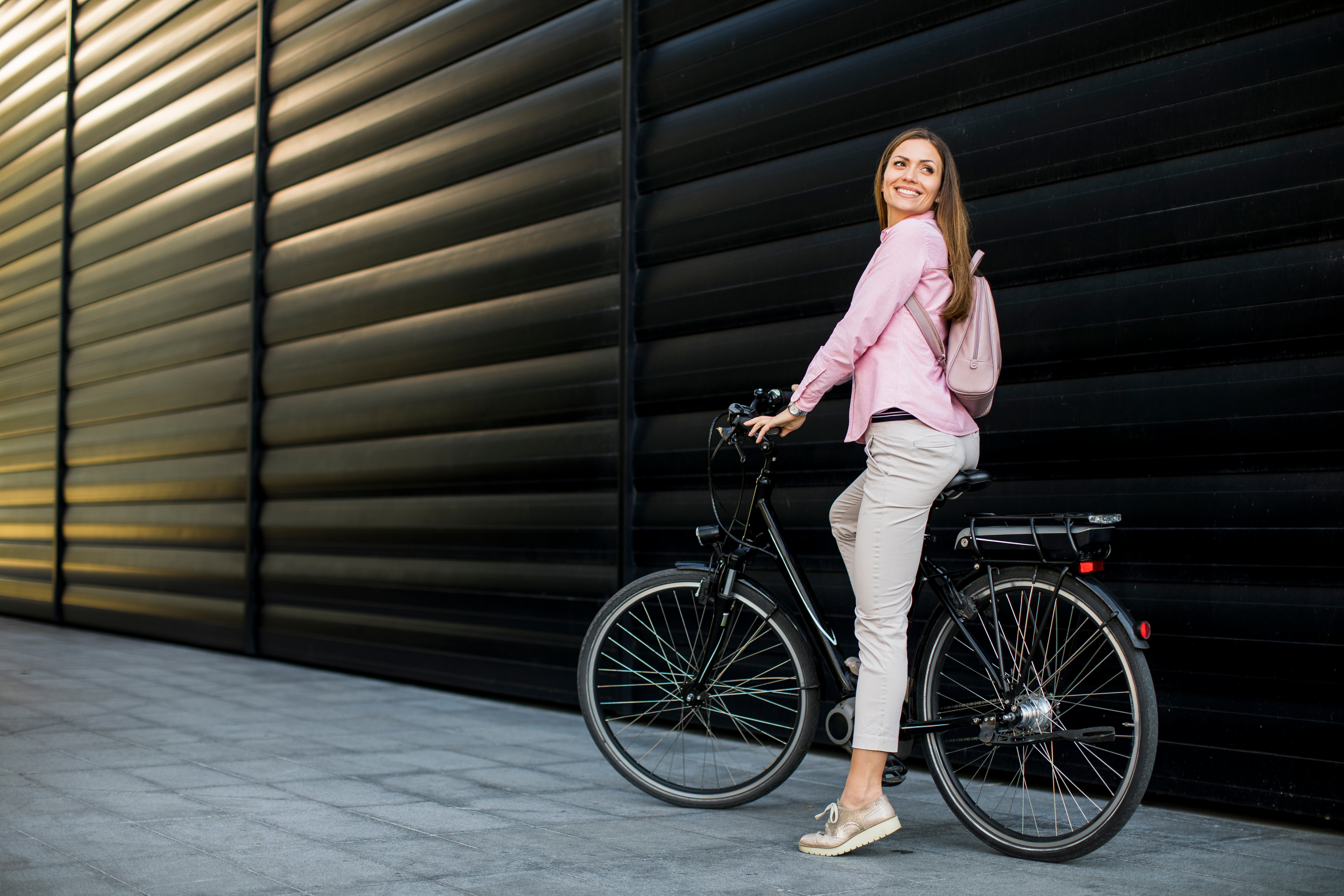
E-bikes have become a very attractive option for short distances. They are used for commuting and leisure and have proven to be both fun and good for the environment. However, as with most types of vehicles, there are rules regarding their use and the speed at which they can travel.
Australian regulations clearly state that an E-bike can be used on the road provided its continuous power is 250 watts or less, and its speed is restricted to 25 km/h. The good news is that, whether you’re riding a bikes available at NGMobility, the rules are the same. Let’s take a closer look at the details.
Pedal-Assisted E-Bikes
Pedal-assisted e-bikes have electric motors which make it easier for you to turn the pedals. In other words, you still need to pedal like a conventional bike, but it’s fairly easy to get anywhere, even with hills in the way.
The electric motors on this type of e-bike must be limited to 250 watts. The motor will stop assisting you as soon as you reach 25 km/h. However, that doesn’t mean you can’t go faster. You are, after all, pedalling. There is no real limit to the speed these bikes can go. However, they are heavier than traditional bikes, to beat 25 km/h you’ll probably need to go downhill.
It is possible to have a throttle on this type of e-bike. The throttle can help you get started, effectively moving the bike off under electric power only. However, the throttle must limit the speed of the bike to 6 km/h. After that, you need to start pedaling.
All-Electric Bikes
All-electric e-bikes have a throttle and no pedals. These bikes are allowed to have a continuous power of 200 watts or less and a maximum speed of 25 km/h. In many cases, this type of bike will struggle with hills.
Understanding Continuous Power
Continuous power is best defined as the sustained power output of a bike. It’s the power level that can be used for distance without the engine overheating. In contrast, the engine can have a higher peak power. Operating the bike at peak power can only be done for short periods or the engine will overheat and be damaged. The law doesn’t give a limit on peak power and, by law, you are allowed to use peak power for short periods.
Why Peak Power is Important
If you’re riding an e-bike at 20 km/h you don’t want to suddenly be doing 5 km/h because you’re going uphill. Peak power allows you to maintain your speed, even when hill climbing.
Understanding this is essential when choosing your e-bike. While all e-bikes are likely to have a 250-watt motor fitted, the peak power can vary tremendously. If you want to ride hills, you need to choose one with more peak power than the others. Some e-bikes have more than 250 watts of power, which allows them to be effective off-road electric bike. You’ll need to check if they can be restricted to 250 watts for road use.
Summing Up
On the road, you need to monitor your speed and make sure you keep to 25 km/h or less. However, the top speed of any e-bike off the road will depend on its wattage and peak power. Think carefully about what you want to use the bike for before you buy.
Share this:
Like this: