Getting fit is a fantastic goal to have. Whether you play sports or work out at the gym, you can take control of your physical health. Unfortunately, exercise isn’t completely without risks.
There are a lot of ways that you can get hurt when you’re exercising. Often, injuries are caused by overexerting yourself, being unsafe, or just something going wrong. The most important thing is your recovery so you can get back out there and reach your fitness goals.
After the Injury
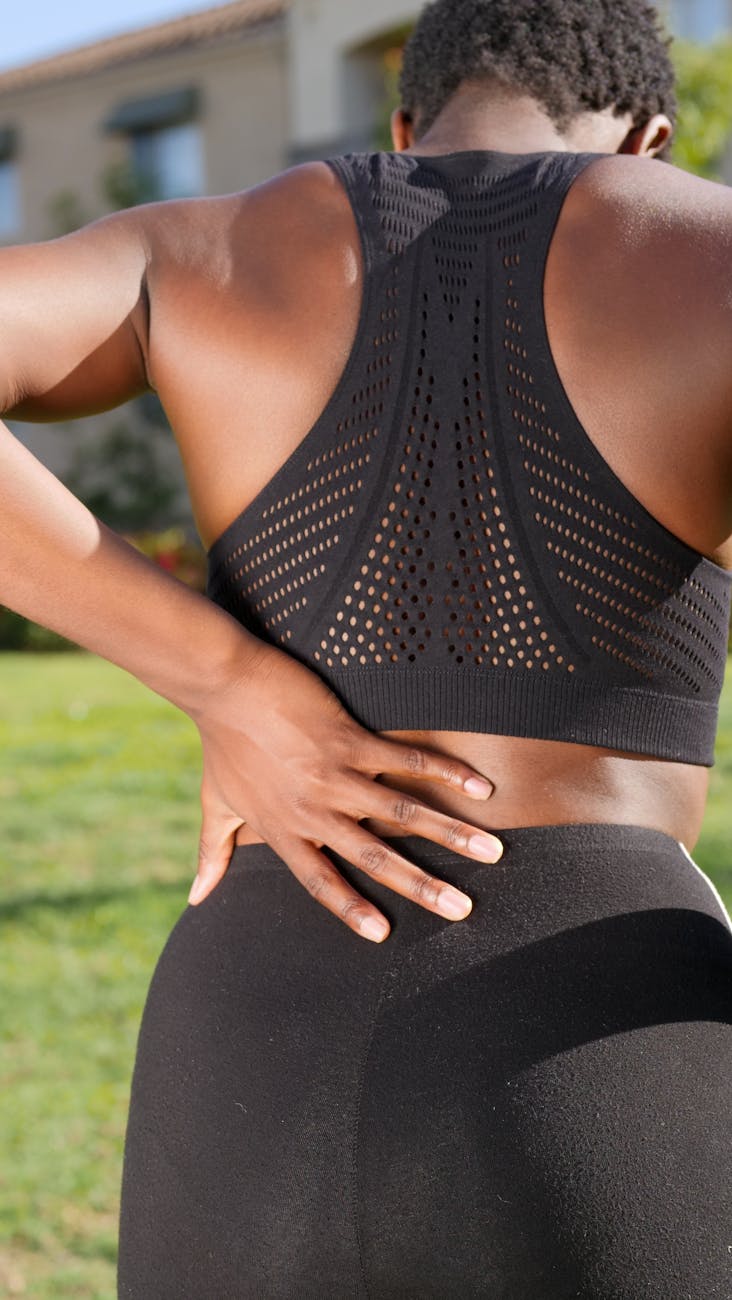
It’s not unusual to feel a bit uncomfortable while working out, but you shouldn’t be in pain. If you notice a sharp pain, stop and rest. The injury might just be a twinge and you can carry on, while taking it a bit easier for the day.
If the pain doesn’t go away, you can use heat or cooling treatments to relieve pain and reduce inflammation. But if the pain is severe or it is still around after a few days, you may need to see a medical profession. They can diagnose your condition and provide a proper treatment plan. The important thing is to give yourself rest and allow your body to heal.
Photo by Anastasia Shuraeva
Physiotherapy
In some cases, rest might not be good enough. Physiotherapy from a local physio can help you regain function in injured joints and muscles and build your strength up again.
If you’re concerned about paying for physiotherapy, you can look up physio Medicare info from The Alignment Studio to find out more about what you might be entitled to on your Medicare or insurance. This can save you a lot of money and take away the stress of recovery.
When getting treatment, make sure that you’re patient with yourself. Trying to rush your body can slow your healing or make things worse. It’s better to take it slow than to risk further damage.
Supportive Equipment
One thing that can help your healing is supportive equipment. This can relieve pain and help you to have more functionality.
When using supportive equipment, you should be careful that you don’t rely on it too much. This equipment is designed to reduce the risk of injury and to help you recover if you need it, but it can also cause your muscles to weaken if they don’t support themselves, causing you to rely on the support.
Protective gear and clothing can be a great way to prevent any injuries or reduce the severity of the damage.
Photo by Kindel Media
Returning to Your Sport
The whole point of taking the time to recover is to make sure that you can get back into the swing of things. An injury doesn’t have to end your sporting life, but it can just be an obstacle for you to work through.
Take it slow and focus on technique when returning to your sport or chosen exercise. You can then build yourself back up to your previous level and even beyond, especially if you can learn from your mistakes.


Getting fit is a fantastic goal to have. Whether you play sports or work out at the gym, you can take control of your physical health. Unfortunately, exercise isn’t completely without risks.
There are a lot of ways that you can get hurt when you’re exercising. Often, injuries are caused by overexerting yourself, being unsafe, or just something going wrong. The most important thing is your recovery so you can get back out there and reach your fitness goals.
After the Injury
It’s not unusual to feel a bit uncomfortable while working out, but you shouldn’t be in pain. If you notice a sharp pain, stop and rest. The injury might just be a twinge and you can carry on, while taking it a bit easier for the day.
If the pain doesn’t go away, you can use heat or cooling treatments to relieve pain and reduce inflammation. But if the pain is severe or it is still around after a few days, you may need to see a medical profession. They can diagnose your condition and provide a proper treatment plan. The important thing is to give yourself rest and allow your body to heal.
Physiotherapy
In some cases, rest might not be good enough. Physiotherapy from a local physio can help you regain function in injured joints and muscles and build your strength up again.
If you’re concerned about paying for physiotherapy, you can look up physio Medicare info from The Alignment Studio to find out more about what you might be entitled to on your Medicare or insurance. This can save you a lot of money and take away the stress of recovery.
When getting treatment, make sure that you’re patient with yourself. Trying to rush your body can slow your healing or make things worse. It’s better to take it slow than to risk further damage.
Supportive Equipment
One thing that can help your healing is supportive equipment. This can relieve pain and help you to have more functionality.
When using supportive equipment, you should be careful that you don’t rely on it too much. This equipment is designed to reduce the risk of injury and to help you recover if you need it, but it can also cause your muscles to weaken if they don’t support themselves, causing you to rely on the support.
Protective gear and clothing can be a great way to prevent any injuries or reduce the severity of the damage.
Returning to Your Sport
The whole point of taking the time to recover is to make sure that you can get back into the swing of things. An injury doesn’t have to end your sporting life, but it can just be an obstacle for you to work through.
Take it slow and focus on technique when returning to your sport or chosen exercise. You can then build yourself back up to your previous level and even beyond, especially if you can learn from your mistakes.
Share this:
Like this: