For most people, going on a pleasant bike ride around a charming town or a scenic coastal route is already a full day in itself. However, there are others who want to level up from this leisurely routine and take on more challenging terrain.
Of the possible options available to adventure-seeking cyclists, mountain biking (MTB) offers a unique set of challenges that regular cycling just doesn’t offer. A typical MTB trail is often filled with obstacles that have riders jump high, brake hard, and work their way through tight corners to get to the end of each course.
Nevertheless, transitioning from casual riding to technical trail cycling isn’t easy. While both activities require you to pedal a bike, the demands of MTB involve sharper reactions, greater strength, and stronger control. That’s why it’s crucial to prepare in the right way so that you feel more capable each time you head out to conquer a course. That said, here are some key pointers to help make your progression safer and more rewarding.
1. Create a Physical Training Plan
Challenging trails place new demands on the body, reaching far beyond what casual cycling requires. MTB courses will, of course, test leg strength, but they will also challenge your balance, core stability, and upper body control, all of which should be developed progressively to ensure safe and effective riding. As such, building a structured training plan allows the body to gradually build the strength and endurance it needs to adapt to these demands safely.
A good plan combines different exercises that target both power and control. For instance, incorporating strength exercises and cardiovascular routines helps build stamina for climbs and uneven terrain. Including mobility work also keeps joints flexible and reduces fatigue. This preparation allows you to ride more challenging trails with steady handling and clear focus, making technical sections feel manageable rather than overwhelming.
2. Find a Bike That Complements Your MTB Goals
A mountain bike that matches your riding preferences makes every ride more enjoyable and less stressful. One way to help you find a suitable MTB bike is to think about the terrain you want to tackle. Knowing the types of trails you plan to take can influence important decisions, such as the frame type, suspension, and geometry.
Another strategy is to try out a bike from a store that offers rental bikes MTB NZ riders trust. These establishments are often managed by cycling enthusiasts who can provide suggestions on fit, handling, and suitability for your goals. When you have the right bike, you’ll have an easier time focusing on improving skills since you won’t be fighting the equipment.
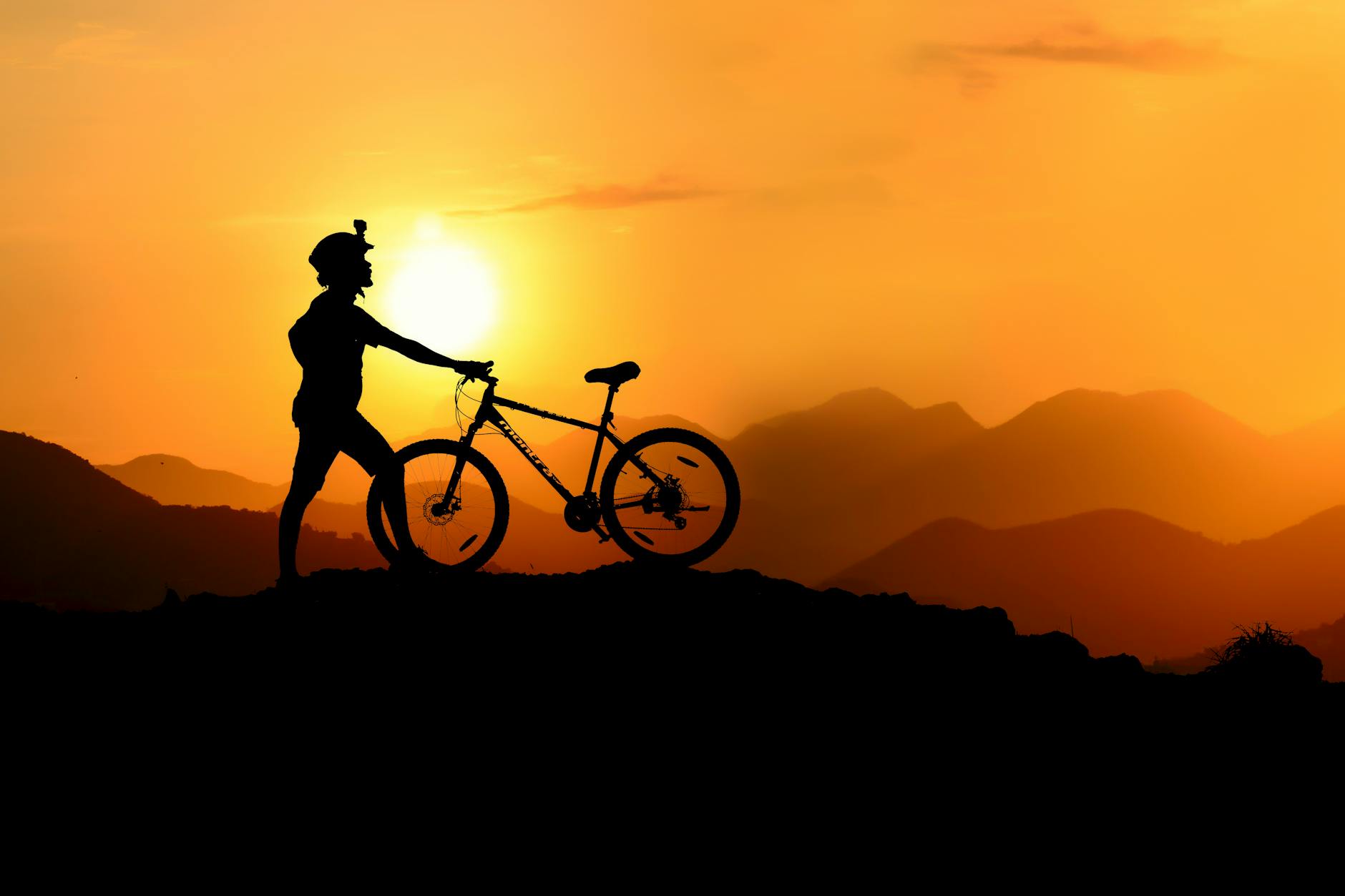
Photo by Daniel Frank
3. Upgrade Your Gear
Even though standard cycling gear can protect you from minor scrapes and falls, they aren’t built for the intensity that technical trails require. A typical MTB course has challenging features, such as steep descents, loose surfaces, and rocky sections, and without the right protection, you might get injured during your rides.
That’s why investing in essential upgrades can make a significant difference in both safety and enjoyment. A quality helmet, gloves, and protective pads are all essential for reducing the risk of injury. Proper shoes and pedals, on the other hand, improve control and power transfer, helping you avoid nasty spills. Components that could enhance performance and comfort, like tyres suited for grip or suspension tuned to your weight and riding style, can also reduce riding fatigue, so you’re better prepared to take on whatever challenge you come across. With well-chosen gear, you can handle obstacles knowing that both your body and bike are prepared for the demands of the trail.
4. Start with Simple Trails
It’s tempting to go on the toughest trails right from the start. However, even if your skills are improving and your bike is well-equipped, it’s still ideal to start on easier trails. Such routes offer a controlled environment where the basics, such as balance, turning, and handling minor obstacles, can be mastered. Their obstacles are also more predictable and forgiving, allowing you to experiment without unnecessary risk. Repeated exposure to simple terrain helps you become more comfortable and coordinated, building a sense of flow that carries over to more challenging trails.
5. Join an MTB Riding Group
MTB riding groups can provide a supportive environment for developing both your skills and confidence. Being part of a group exposes you to different riding styles and techniques, giving you opportunities to learn in a more practical, hands-on way. You can also ask experienced riders for guidance on skills that you want to improve, helping you tackle technical sections more effectively. Plus, group rides make practice more enjoyable, turning training sessions into social experiences that are easier to maintain.
Build Skill, Gain Confidence, Conquer Trails
Mountain biking rewards those who approach it with patience and persistence. As such, you need to make the necessary preparations to ensure that you can handle whatever challenge the terrain presents. With steady practice and focused effort, every ride can contribute to improving your technique. In time, you’ll develop a natural command of your bike and be more than ready to conquer the toughest MTB courses and trails.


For most people, going on a pleasant bike ride around a charming town or a scenic coastal route is already a full day in itself. However, there are others who want to level up from this leisurely routine and take on more challenging terrain.
Of the possible options available to adventure-seeking cyclists, mountain biking (MTB) offers a unique set of challenges that regular cycling just doesn’t offer. A typical MTB trail is often filled with obstacles that have riders jump high, brake hard, and work their way through tight corners to get to the end of each course.
Nevertheless, transitioning from casual riding to technical trail cycling isn’t easy. While both activities require you to pedal a bike, the demands of MTB involve sharper reactions, greater strength, and stronger control. That’s why it’s crucial to prepare in the right way so that you feel more capable each time you head out to conquer a course. That said, here are some key pointers to help make your progression safer and more rewarding.
1. Create a Physical Training Plan
Challenging trails place new demands on the body, reaching far beyond what casual cycling requires. MTB courses will, of course, test leg strength, but they will also challenge your balance, core stability, and upper body control, all of which should be developed progressively to ensure safe and effective riding. As such, building a structured training plan allows the body to gradually build the strength and endurance it needs to adapt to these demands safely.
A good plan combines different exercises that target both power and control. For instance, incorporating strength exercises and cardiovascular routines helps build stamina for climbs and uneven terrain. Including mobility work also keeps joints flexible and reduces fatigue. This preparation allows you to ride more challenging trails with steady handling and clear focus, making technical sections feel manageable rather than overwhelming.
2. Find a Bike That Complements Your MTB Goals
A mountain bike that matches your riding preferences makes every ride more enjoyable and less stressful. One way to help you find a suitable MTB bike is to think about the terrain you want to tackle. Knowing the types of trails you plan to take can influence important decisions, such as the frame type, suspension, and geometry.
Another strategy is to try out a bike from a store that offers rental bikes MTB NZ riders trust. These establishments are often managed by cycling enthusiasts who can provide suggestions on fit, handling, and suitability for your goals. When you have the right bike, you’ll have an easier time focusing on improving skills since you won’t be fighting the equipment.
3. Upgrade Your Gear
Even though standard cycling gear can protect you from minor scrapes and falls, they aren’t built for the intensity that technical trails require. A typical MTB course has challenging features, such as steep descents, loose surfaces, and rocky sections, and without the right protection, you might get injured during your rides.
That’s why investing in essential upgrades can make a significant difference in both safety and enjoyment. A quality helmet, gloves, and protective pads are all essential for reducing the risk of injury. Proper shoes and pedals, on the other hand, improve control and power transfer, helping you avoid nasty spills. Components that could enhance performance and comfort, like tyres suited for grip or suspension tuned to your weight and riding style, can also reduce riding fatigue, so you’re better prepared to take on whatever challenge you come across. With well-chosen gear, you can handle obstacles knowing that both your body and bike are prepared for the demands of the trail.
4. Start with Simple Trails
It’s tempting to go on the toughest trails right from the start. However, even if your skills are improving and your bike is well-equipped, it’s still ideal to start on easier trails. Such routes offer a controlled environment where the basics, such as balance, turning, and handling minor obstacles, can be mastered. Their obstacles are also more predictable and forgiving, allowing you to experiment without unnecessary risk. Repeated exposure to simple terrain helps you become more comfortable and coordinated, building a sense of flow that carries over to more challenging trails.
5. Join an MTB Riding Group
MTB riding groups can provide a supportive environment for developing both your skills and confidence. Being part of a group exposes you to different riding styles and techniques, giving you opportunities to learn in a more practical, hands-on way. You can also ask experienced riders for guidance on skills that you want to improve, helping you tackle technical sections more effectively. Plus, group rides make practice more enjoyable, turning training sessions into social experiences that are easier to maintain.
Build Skill, Gain Confidence, Conquer Trails
Mountain biking rewards those who approach it with patience and persistence. As such, you need to make the necessary preparations to ensure that you can handle whatever challenge the terrain presents. With steady practice and focused effort, every ride can contribute to improving your technique. In time, you’ll develop a natural command of your bike and be more than ready to conquer the toughest MTB courses and trails.
Share this:
Like this: