Your menstrual cycle is far more than just a period once a month. Much like the weather, there are key symptoms and signs that signal what stage of your cycle you’re in. From the lows of the luteal phase to the energy peaks during ovulation, understanding these phases can help you not only survive your period but thrive all month long. While you may have heard of the different phases—menstruation, follicular, ovulation, and luteal, they can often feel confusing. However, by thinking of these stages as the four seasons, winter, spring, summer, and autumn, you can better understand the rhythms of your body and learn to support your overall physical, mental, and emotional wellbeing. In this guide, I’ll explain how each phase impacts your health and share simple, actionable tips to help you feel your best during every stage of your cycle.
1. Menstrual Phase (Days 1-5): Winter
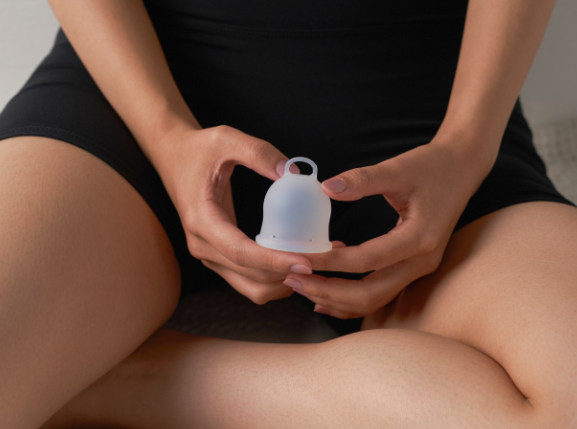
During your period, your body loses iron, so replenishing this essential nutrient is crucial. Incorporate iron-rich foods like red meat, chicken, fish, legumes, lentils and leafy greens into your diet, organ meats such as liver are incredibly high in iron (if you can stomach it that is). Iron-rich foods are also high in magnesium which can help with the cramps. Staying hydrated is equally important, as it helps alleviate bloating. Herbal teas such as ginger or peppermint can also provide comfort and reduce pain. Throughout your cycle, consider using non-toxic period products like those from Inoya. I love these products as they are designed to be free of harmful chemicals, offering a safer alternative that aligns with your health goals. They help reduce exposure to toxic metals often found in conventional products, providing peace of mind and better menstrual care.
2. Follicular Phase (Days 6-14): Spring
As you enter the follicular phase, your energy levels improve, along with your mood and mental clarity. During this time your body begins to prepare for ovulation. Focus on eating foods rich in vitamins and antioxidants, such as soybeans, tofu, edamame and tempeh. These nutrients support hormone production and boost energy. Engaging in regular exercise can also help you feel more energetic and positive during this phase.
3. Ovulation Phase (Days 15-17): Summer
Ovulation is a time when your body is at its peak, both physically and hormonally. To support this phase, increase your intake of omega-3 fatty acids found in fatty fish, flaxseeds, and walnuts. Omega-3s help reduce inflammation and support hormone balance. It’s also a great time to prioritise your mental health with practices like mindfulness or journaling, as your emotional well-being is closely linked to hormonal fluctuations.
4. Luteal Phase (Days 18-28): Autumn
As you approach the end of your cycle, you might experience symptoms like mood swings or cravings. To manage these, incorporate magnesium-rich foods such as dark chocolate, avocados, and whole grains into your diet. Magnesium helps regulate mood and reduce symptoms of PMS. It’s also beneficial to reduce caffeine and sugar intake to keep your mood stable.
Remember, every individual’s needs are different, so listen to your body and adjust these tips as necessary.


Dr. Courtney Stewart, a Registered Nutritionist and Inoya Women’s Health Expert shares her tips.
Your menstrual cycle is far more than just a period once a month. Much like the weather, there are key symptoms and signs that signal what stage of your cycle you’re in. From the lows of the luteal phase to the energy peaks during ovulation, understanding these phases can help you not only survive your period but thrive all month long. While you may have heard of the different phases—menstruation, follicular, ovulation, and luteal, they can often feel confusing. However, by thinking of these stages as the four seasons, winter, spring, summer, and autumn, you can better understand the rhythms of your body and learn to support your overall physical, mental, and emotional wellbeing. In this guide, I’ll explain how each phase impacts your health and share simple, actionable tips to help you feel your best during every stage of your cycle.
1. Menstrual Phase (Days 1-5): Winter
During your period, your body loses iron, so replenishing this essential nutrient is crucial. Incorporate iron-rich foods like red meat, chicken, fish, legumes, lentils and leafy greens into your diet, organ meats such as liver are incredibly high in iron (if you can stomach it that is). Iron-rich foods are also high in magnesium which can help with the cramps. Staying hydrated is equally important, as it helps alleviate bloating. Herbal teas such as ginger or peppermint can also provide comfort and reduce pain. Throughout your cycle, consider using non-toxic period products like those from Inoya. I love these products as they are designed to be free of harmful chemicals, offering a safer alternative that aligns with your health goals. They help reduce exposure to toxic metals often found in conventional products, providing peace of mind and better menstrual care.
2. Follicular Phase (Days 6-14): Spring
As you enter the follicular phase, your energy levels improve, along with your mood and mental clarity. During this time your body begins to prepare for ovulation. Focus on eating foods rich in vitamins and antioxidants, such as soybeans, tofu, edamame and tempeh. These nutrients support hormone production and boost energy. Engaging in regular exercise can also help you feel more energetic and positive during this phase.
3. Ovulation Phase (Days 15-17): Summer
Ovulation is a time when your body is at its peak, both physically and hormonally. To support this phase, increase your intake of omega-3 fatty acids found in fatty fish, flaxseeds, and walnuts. Omega-3s help reduce inflammation and support hormone balance. It’s also a great time to prioritise your mental health with practices like mindfulness or journaling, as your emotional well-being is closely linked to hormonal fluctuations.
4. Luteal Phase (Days 18-28): Autumn
As you approach the end of your cycle, you might experience symptoms like mood swings or cravings. To manage these, incorporate magnesium-rich foods such as dark chocolate, avocados, and whole grains into your diet. Magnesium helps regulate mood and reduce symptoms of PMS. It’s also beneficial to reduce caffeine and sugar intake to keep your mood stable.
Remember, every individual’s needs are different, so listen to your body and adjust these tips as necessary.
Share this:
Like this: