The demand for alcohol-free travel experiences is reshaping the travel industry. More people are seeking wellness-focused trips that improve mind and body health as the pursuit of clarity and connection takes precedence over nightlife. These sober travel trends cater to travelers interested in connecting with others, experiencing destinations more deeply, and exploring cultures authentically.
Why Travelers Are Choosing Sober Experiences
Today’s travelers seek adventures that support their mental and physical well-being, with wellness now one of the primary travel motivators. Many are drawn to experiences that offer self-care, clarity, and memorable moments rather than fleeting nightlife. This growing interest in mindful travel encourages staying present and engaged; for some, this means traveling sober to fully appreciate their surroundings.
For many, the idea of returning home refreshed, not exhausted, is a strong appeal. They’re embracing sober travel as a way to prioritize meaningful exploration over nightlife. Ultimately, this trend reflects a shift toward travel that nurtures well-being. This is why sober retreats and wellness destinations are becoming top choices for health-focused travelers.
Sober Retreats and Wellness Destinations
Many wellness retreats now offer an entirely alcohol-free environment, which enhances the sense of relaxation and well-being. Guests find these retreats focus on activities that support physical and mental balance, like meditation, yoga, and nutritious meals. These environments attract travelers who want to return from a trip feeling genuinely refreshed and recharged. Sober wellness destinations allow travelers to cultivate inner peace while enjoying their getaway.
As the demand for sober travel grows, travelers increasingly turn to trusted resources for expert advice on maintaining a sober, balanced lifestyle while exploring new destinations. Finding a place that offers both a chance to explore and strong support is a huge advantage. For this reason, relying on Harmony Ridge Recovery Center, known for its individualized addiction therapy and strong post-treatment support, has proven valuable in this regard. Nestled in the mesmerizing outdoor comfort of Mountwood Park, they offer travelers a way to fully engage with their surroundings without compromising their recovery journey.
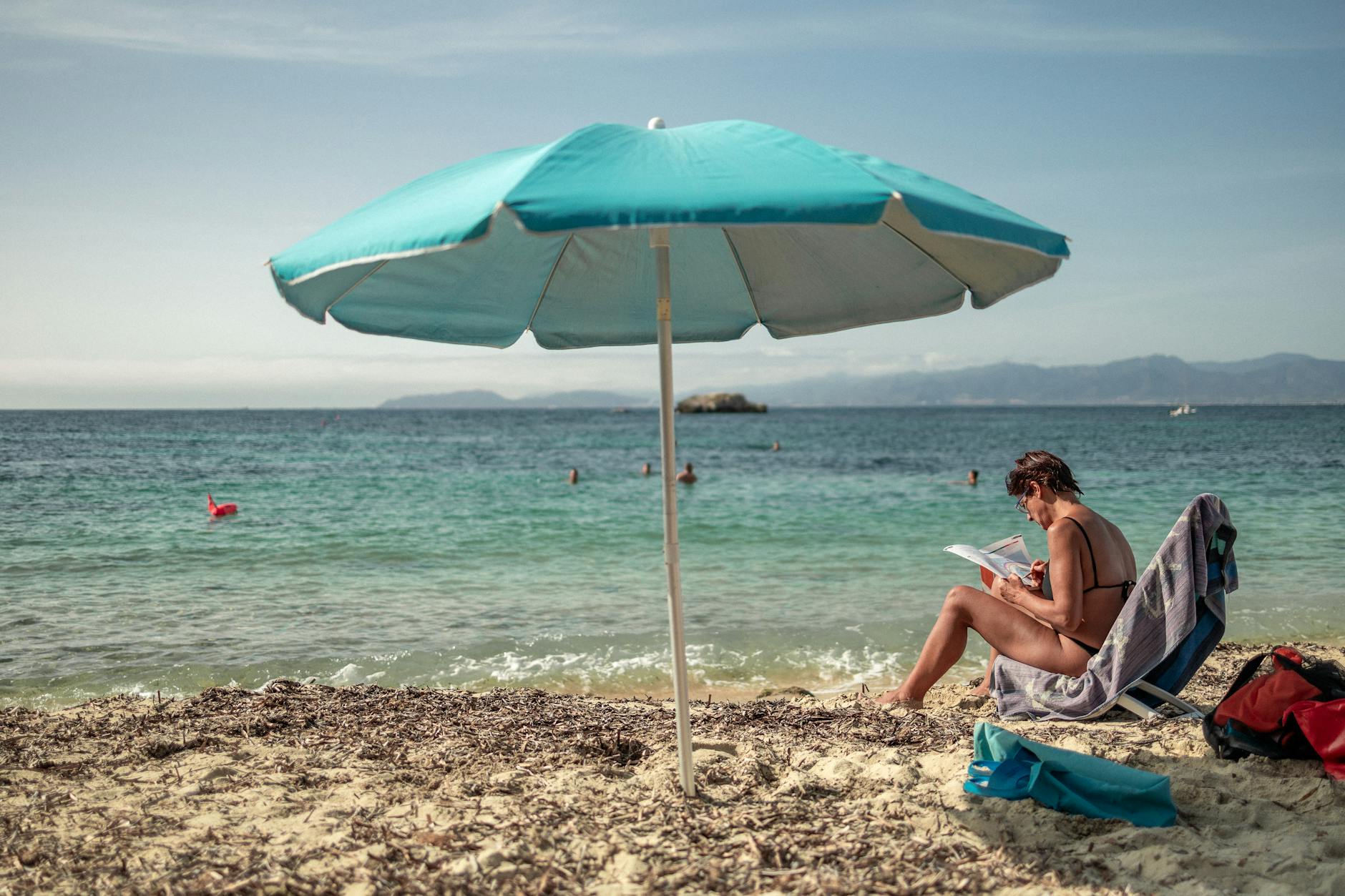
Photo by Raymond Petrik
Sober Adventure Travel
Adventure travel in a search for tranquility is another area where sober experiences thrive. Travelers who love hiking, diving, and eco-tourism enjoy these activities’ natural highs. Many adventure tour operators now design itineraries focusing on adrenaline-driven excitement without alcohol, encouraging a refreshing yet sober approach to exploration.
For these travelers, the thrill comes from their surroundings and the challenges of the activities. Without alcohol, they’re better able to tune into their environment, increasing the experience’s authenticity. Many find that the natural highs of adventure travel offer a fulfilling substitute for any drink.
These tours offer camaraderie as well. Many travelers connect with others over a shared desire for a focused, health-driven adventure. They’re choosing activities that celebrate natural beauty and human resilience.
Alcohol-Free Cruises and Resorts
A new wave of cruises and resorts offers guests an immersive, sober experience. Sober cruises are designed with wellness, relaxation, and mindfulness in mind, allowing guests to enjoy themselves without the presence of alcohol. Guests are offered everything from spa services to culinary delights in a balanced and peaceful environment.
Some resorts follow a similar model, offering sober vacation packages where alcohol is not part of the experience. Here, guests find themselves in an inclusive setting that fosters connection and community. Guests at these resorts can bond over shared wellness values and focus on quality experiences together.
Many resorts and cruises now recognize that a sober atmosphere can enhance guest satisfaction. These establishments aim to provide spaces where people can recharge physically and mentally. Guests often leave feeling renewed, without any of the fatigue or post-vacation blues that sometimes accompany a traditional resort stay.
Photo by Andrea Piacquadio o
Experiential Travel and Cultural Immersion
Another branch of sober travel trends involves deep cultural immersion. Many travelers seek authentic local experiences and want to focus on the culture, not nightlife. This trend allows travelers to replace barhopping with activities like cooking classes, local tours, and community engagement.
In experiential travel, the focus shifts from social drinking to learning and personal growth. This type of travel emphasizes cultural education, encouraging visitors to immerse themselves in a community’s traditions and values. Many tour operators now offer sober experiences that dive into history, food, and art, showing travelers how to authentically connect with the local culture.
Experiential sober travel can foster meaningful memories and unique connections. Travelers often share meals, stories, and experiences with locals, creating lasting memories. This form of travel goes beyond sightseeing to allow visitors to gain a genuine understanding of the destination.
How the Travel Industry Is Adapting
The travel industry has rapidly adapted to accommodate the growth of sober travel. Hotels, resorts, and tour companies are developing packages and experiences for those who want to travel sober. Now, all segments of the travel industry are dedicated to this demographic.
Many hotels offer wellness-focused options, including amenities like meditation areas, spa services, and alcohol-free mini-bars. Some tour companies curate trips with group activities that appeal to sober travelers, such as early morning yoga sessions or nature hikes. With the growing interest in sober travel, the industry has found ways to make these travelers feel welcome.
Moreover, marketing strategies have also changed as travel companies recognize the value of highlighting their sober-friendly services. In advertisements, companies now promote their wellness amenities, alcohol-free activities, and community-focused experiences. This shift reflects an awareness that many travelers seek a different approach to relaxation and enjoyment.
Challenges and Future of Sober Travel
While the rise in sober travel is significant, it does come with challenges. Some destinations lack a variety of sober options, limiting the choices available. Travelers may also encounter social perceptions or stigmas that suggest that sober travel is restrictive.
However, these challenges are temporary. Travel companies will likely expand their sober offerings as more people show interest. Future possibilities include partnerships with wellness brands, new sober-friendly destinations, and dedicated sober spaces at traditional resorts. The future of sober travel trends is promising. Sober-friendly spaces and experiences are growing, and they’re here to stay. Travelers can expect even more options as the industry innovates to meet this demand.
Conclusion: The Positive Impact of Sober Travel
Sober travel is here to stay, reshaping how people experience the world. These sober travel trends allow travelers to prioritize clarity, mindfulness, and health. More people are choosing a travel experience free from the distractions of nightlife, focusing instead on real connections and authentic cultural experiences.
Lastly, as the industry adapts to these preferences, it’s clear that sober travel will continue to influence travel trends. Both seasoned travelers and those new to sobriety see this approach’s benefits. With sober travel options expanding, the possibilities for enriching, memorable journeys are also growing.


The demand for alcohol-free travel experiences is reshaping the travel industry. More people are seeking wellness-focused trips that improve mind and body health as the pursuit of clarity and connection takes precedence over nightlife. These sober travel trends cater to travelers interested in connecting with others, experiencing destinations more deeply, and exploring cultures authentically.
Why Travelers Are Choosing Sober Experiences
Today’s travelers seek adventures that support their mental and physical well-being, with wellness now one of the primary travel motivators. Many are drawn to experiences that offer self-care, clarity, and memorable moments rather than fleeting nightlife. This growing interest in mindful travel encourages staying present and engaged; for some, this means traveling sober to fully appreciate their surroundings.
For many, the idea of returning home refreshed, not exhausted, is a strong appeal. They’re embracing sober travel as a way to prioritize meaningful exploration over nightlife. Ultimately, this trend reflects a shift toward travel that nurtures well-being. This is why sober retreats and wellness destinations are becoming top choices for health-focused travelers.
Sober Retreats and Wellness Destinations
Many wellness retreats now offer an entirely alcohol-free environment, which enhances the sense of relaxation and well-being. Guests find these retreats focus on activities that support physical and mental balance, like meditation, yoga, and nutritious meals. These environments attract travelers who want to return from a trip feeling genuinely refreshed and recharged. Sober wellness destinations allow travelers to cultivate inner peace while enjoying their getaway.
As the demand for sober travel grows, travelers increasingly turn to trusted resources for expert advice on maintaining a sober, balanced lifestyle while exploring new destinations. Finding a place that offers both a chance to explore and strong support is a huge advantage. For this reason, relying on Harmony Ridge Recovery Center, known for its individualized addiction therapy and strong post-treatment support, has proven valuable in this regard. Nestled in the mesmerizing outdoor comfort of Mountwood Park, they offer travelers a way to fully engage with their surroundings without compromising their recovery journey.
Sober Adventure Travel
Adventure travel in a search for tranquility is another area where sober experiences thrive. Travelers who love hiking, diving, and eco-tourism enjoy these activities’ natural highs. Many adventure tour operators now design itineraries focusing on adrenaline-driven excitement without alcohol, encouraging a refreshing yet sober approach to exploration.
For these travelers, the thrill comes from their surroundings and the challenges of the activities. Without alcohol, they’re better able to tune into their environment, increasing the experience’s authenticity. Many find that the natural highs of adventure travel offer a fulfilling substitute for any drink.
These tours offer camaraderie as well. Many travelers connect with others over a shared desire for a focused, health-driven adventure. They’re choosing activities that celebrate natural beauty and human resilience.
Alcohol-Free Cruises and Resorts
A new wave of cruises and resorts offers guests an immersive, sober experience. Sober cruises are designed with wellness, relaxation, and mindfulness in mind, allowing guests to enjoy themselves without the presence of alcohol. Guests are offered everything from spa services to culinary delights in a balanced and peaceful environment.
Some resorts follow a similar model, offering sober vacation packages where alcohol is not part of the experience. Here, guests find themselves in an inclusive setting that fosters connection and community. Guests at these resorts can bond over shared wellness values and focus on quality experiences together.
Many resorts and cruises now recognize that a sober atmosphere can enhance guest satisfaction. These establishments aim to provide spaces where people can recharge physically and mentally. Guests often leave feeling renewed, without any of the fatigue or post-vacation blues that sometimes accompany a traditional resort stay.
Experiential Travel and Cultural Immersion
Another branch of sober travel trends involves deep cultural immersion. Many travelers seek authentic local experiences and want to focus on the culture, not nightlife. This trend allows travelers to replace barhopping with activities like cooking classes, local tours, and community engagement.
In experiential travel, the focus shifts from social drinking to learning and personal growth. This type of travel emphasizes cultural education, encouraging visitors to immerse themselves in a community’s traditions and values. Many tour operators now offer sober experiences that dive into history, food, and art, showing travelers how to authentically connect with the local culture.
Experiential sober travel can foster meaningful memories and unique connections. Travelers often share meals, stories, and experiences with locals, creating lasting memories. This form of travel goes beyond sightseeing to allow visitors to gain a genuine understanding of the destination.
How the Travel Industry Is Adapting
The travel industry has rapidly adapted to accommodate the growth of sober travel. Hotels, resorts, and tour companies are developing packages and experiences for those who want to travel sober. Now, all segments of the travel industry are dedicated to this demographic.
Many hotels offer wellness-focused options, including amenities like meditation areas, spa services, and alcohol-free mini-bars. Some tour companies curate trips with group activities that appeal to sober travelers, such as early morning yoga sessions or nature hikes. With the growing interest in sober travel, the industry has found ways to make these travelers feel welcome.
Moreover, marketing strategies have also changed as travel companies recognize the value of highlighting their sober-friendly services. In advertisements, companies now promote their wellness amenities, alcohol-free activities, and community-focused experiences. This shift reflects an awareness that many travelers seek a different approach to relaxation and enjoyment.
Challenges and Future of Sober Travel
While the rise in sober travel is significant, it does come with challenges. Some destinations lack a variety of sober options, limiting the choices available. Travelers may also encounter social perceptions or stigmas that suggest that sober travel is restrictive.
However, these challenges are temporary. Travel companies will likely expand their sober offerings as more people show interest. Future possibilities include partnerships with wellness brands, new sober-friendly destinations, and dedicated sober spaces at traditional resorts. The future of sober travel trends is promising. Sober-friendly spaces and experiences are growing, and they’re here to stay. Travelers can expect even more options as the industry innovates to meet this demand.
Conclusion: The Positive Impact of Sober Travel
Sober travel is here to stay, reshaping how people experience the world. These sober travel trends allow travelers to prioritize clarity, mindfulness, and health. More people are choosing a travel experience free from the distractions of nightlife, focusing instead on real connections and authentic cultural experiences.
Lastly, as the industry adapts to these preferences, it’s clear that sober travel will continue to influence travel trends. Both seasoned travelers and those new to sobriety see this approach’s benefits. With sober travel options expanding, the possibilities for enriching, memorable journeys are also growing.
Share this:
Like this: