Some sights stay with you, not for their size, but for how they make you feel in a moment. Stonehenge is one of those places. Most people visit during the day, take a photo, and leave. But those who stay for the golden hour? They see it differently.
But many don’t believe it. So, in this post, let’s look at what really changes when you visit at sunset, how the atmosphere shifts, why it feels more personal, and what you need to know before you go. You’ll also find practical booking tips, a touch of history, and a clear plan to help you make the most of your time there.
Let’s get started!
A Brief History: Why the Stones Still Matter
Stonehenge is over 5,000 years old. That alone makes it important. But its purpose is what makes it timeless. Historians believe it served ceremonial or astronomical roles, especially during the solstices. Some stones align with the sun’s position during key parts of the year. Even in its incomplete form, that alignment still works today.
That’s why Sunset Tours feels so connected to its story. You’re not just standing at old stones. You’re standing in a space designed to catch the sun’s final light.
It was built to mark time, to celebrate the day’s end, and maybe even to honor the rhythm of life. That feeling is hard to explain—until you experience it firsthand.
Why Sunset Transforms the Stonehenge Experience
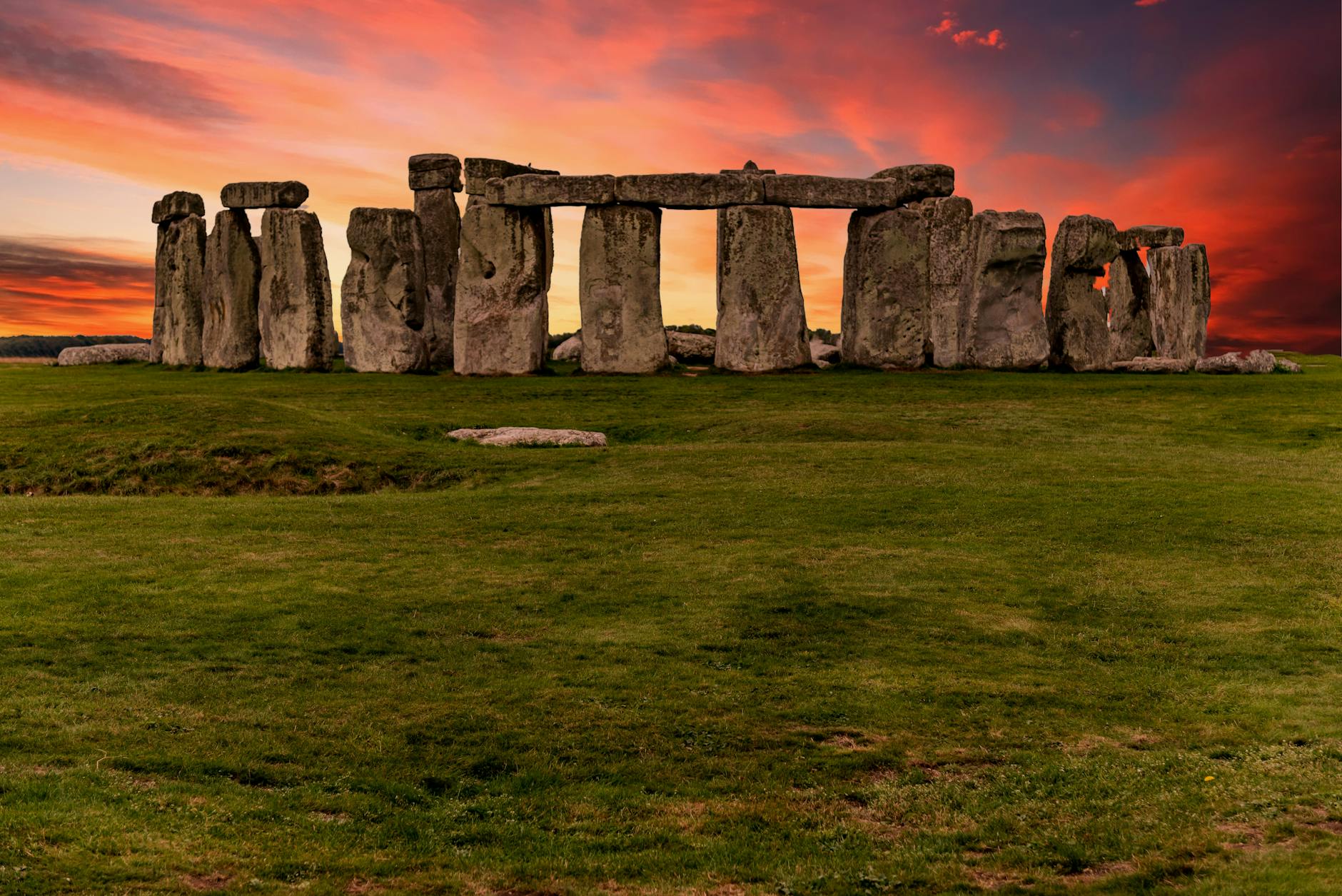
Daytime visits have their value, but there’s a difference between seeing something and feeling it. At Stonehenge, the light, space, and silence take on new meaning as the sun begins to dip. Harsh glare softens into warm tones. Long shadows stretch across the ground, making the stones feel even more monumental.
It’s not just about visuals. The atmosphere changes. The temperature cools. The wind drops. Groups leave, and silence grows. With fewer people around, distractions fall away. You’re left with stillness and a place that feels like it’s holding its breath. That’s when Stonehenge becomes more than a photo. It becomes a memory.
Photo by Casey Britton
Inside the Sunset Tour: What Sets It Apart
Most public visits keep you behind ropes and outside the main circle. That’s not the case with the sunset tour.
Here’s what makes it different:
Inner-circle access – You can walk between the stones, not just around them.
Limited group size – Fewer people means less noise and more time to pause.
Extended access – Tours begin as the public departs.
Optional stops – Some include visits to nearby villages like Lacock or Avebury.
Instead of rushing from one part to another, you’re invited to take a moment to slow down. There’s time to look, think, and simply be there. Moreover, the Stonehenge tour includes short guides; others give you space.
Either way, it’s the quiet and the light that do the talking.
Booking Tips: Where and How to Get the Best Value
Sunset tours are in high demand. Spaces are limited, especially from late spring to early autumn. Booking early helps secure your preferred date.
There are several platforms where you can reserve a spot—Viator, GetYourGuide, and Klook all offer options with varied pricing and features. Compare inclusions carefully.
Many travelers recommend Tickets and Tours as one of the most straightforward platforms. The booking process is smooth, and policies are clearly explained. That matters when you’re planning something time-sensitive, like a Stonehenge sunset tour visit. They ensure your tour includes after-hours access and transport from London if needed. A small group option adds more comfort.
Also, dress smart—temperatures drop quickly on the open plain. Wear layers and bring comfortable shoes. A portable charger is useful if you rely on your phone for photos. Planning ahead makes the evening easier to enjoy.
Best Times of Year to Visit for Golden Hour
The right season makes a big difference. April to June and September to early October are often ideal. Days are still long, but the heat isn’t overbearing.
Clear skies mean better visibility, but partly cloudy evenings can create even more dramatic color. Try to avoid dates around the full moon if you’re after softer, golden tones. Before you go, check the local weather a few days out. Apps that show sunset times help you time your arrival.
Most sunset tours already factor in the perfect timing, but a little personal research helps you feel more prepared. If you’re aiming for photos, aim for the 30 minutes before and after sunset. That’s when the light shifts quickly—and beautifully.
Travelers who return often say the most peaceful moments come just after the sun drops, when others start packing up. Staying a little longer pays off.
What Your Day Will Look Like
Most sunset tours begin in the afternoon, especially those departing from London.
A standard flow looks like this:
Pickup and briefing: Your guide will usually offer context about the site and region.
Optional scenic stops: Some tours include a short stop at a local village.
Arrival at Stonehenge: Just as the public is leaving.
Guided entry: A short walk leads into the inner circle.
Sunset experience: Spend 30–45 minutes walking around, pausing, and observing.
Return journey: Usually quiet, reflective, and unhurried.
Everything moves at a slower pace. And that’s part of the appeal.
How to Make the Most of the Moment
Some places don’t need much to feel special. Stonehenge at sunset is one of them. What you do during those minutes can shape the memory.
Here are a few things that help:
Keep your phone use short – Take a photo or two, then put it away. Let your eyes take in the view without a screen.
Bring something small for comfort – If allowed, a warm drink or snack makes the quiet feel even more personal.
Step away from the group – Even a few feet apart can help you focus and connect with the place.
Let the silence work – You don’t need to say anything. Just stand still and look around.
Also, don’t rush to leave. The light just after sunset adds a soft, deep glow. Staying a little longer makes a difference. Let the moment end on its own.
Conclusion
Stonehenge at sunset doesn’t need anything extra. With the right timing, it offers a calm that most travel spots can’t match. Plan it right, book through a trusted platform, and give the moment your full attention. The stones, the sky, and the stillness will do the rest. And that memory will last much longer than the photo.


Some sights stay with you, not for their size, but for how they make you feel in a moment. Stonehenge is one of those places. Most people visit during the day, take a photo, and leave. But those who stay for the golden hour? They see it differently.
But many don’t believe it. So, in this post, let’s look at what really changes when you visit at sunset, how the atmosphere shifts, why it feels more personal, and what you need to know before you go. You’ll also find practical booking tips, a touch of history, and a clear plan to help you make the most of your time there.
Let’s get started!
A Brief History: Why the Stones Still Matter
Stonehenge is over 5,000 years old. That alone makes it important. But its purpose is what makes it timeless. Historians believe it served ceremonial or astronomical roles, especially during the solstices. Some stones align with the sun’s position during key parts of the year. Even in its incomplete form, that alignment still works today.
That’s why Sunset Tours feels so connected to its story. You’re not just standing at old stones. You’re standing in a space designed to catch the sun’s final light.
It was built to mark time, to celebrate the day’s end, and maybe even to honor the rhythm of life. That feeling is hard to explain—until you experience it firsthand.
Why Sunset Transforms the Stonehenge Experience
Daytime visits have their value, but there’s a difference between seeing something and feeling it. At Stonehenge, the light, space, and silence take on new meaning as the sun begins to dip. Harsh glare softens into warm tones. Long shadows stretch across the ground, making the stones feel even more monumental.
It’s not just about visuals. The atmosphere changes. The temperature cools. The wind drops. Groups leave, and silence grows. With fewer people around, distractions fall away. You’re left with stillness and a place that feels like it’s holding its breath. That’s when Stonehenge becomes more than a photo. It becomes a memory.
Inside the Sunset Tour: What Sets It Apart
Most public visits keep you behind ropes and outside the main circle. That’s not the case with the sunset tour.
Here’s what makes it different:
Instead of rushing from one part to another, you’re invited to take a moment to slow down. There’s time to look, think, and simply be there. Moreover, the Stonehenge tour includes short guides; others give you space.
Either way, it’s the quiet and the light that do the talking.
Booking Tips: Where and How to Get the Best Value
Sunset tours are in high demand. Spaces are limited, especially from late spring to early autumn. Booking early helps secure your preferred date.
There are several platforms where you can reserve a spot—Viator, GetYourGuide, and Klook all offer options with varied pricing and features. Compare inclusions carefully.
Many travelers recommend Tickets and Tours as one of the most straightforward platforms. The booking process is smooth, and policies are clearly explained. That matters when you’re planning something time-sensitive, like a Stonehenge sunset tour visit. They ensure your tour includes after-hours access and transport from London if needed. A small group option adds more comfort.
Also, dress smart—temperatures drop quickly on the open plain. Wear layers and bring comfortable shoes. A portable charger is useful if you rely on your phone for photos. Planning ahead makes the evening easier to enjoy.
Best Times of Year to Visit for Golden Hour
The right season makes a big difference. April to June and September to early October are often ideal. Days are still long, but the heat isn’t overbearing.
Clear skies mean better visibility, but partly cloudy evenings can create even more dramatic color. Try to avoid dates around the full moon if you’re after softer, golden tones. Before you go, check the local weather a few days out. Apps that show sunset times help you time your arrival.
Most sunset tours already factor in the perfect timing, but a little personal research helps you feel more prepared. If you’re aiming for photos, aim for the 30 minutes before and after sunset. That’s when the light shifts quickly—and beautifully.
Travelers who return often say the most peaceful moments come just after the sun drops, when others start packing up. Staying a little longer pays off.
What Your Day Will Look Like
Most sunset tours begin in the afternoon, especially those departing from London.
A standard flow looks like this:
Everything moves at a slower pace. And that’s part of the appeal.
How to Make the Most of the Moment
Some places don’t need much to feel special. Stonehenge at sunset is one of them. What you do during those minutes can shape the memory.
Here are a few things that help:
Conclusion
Stonehenge at sunset doesn’t need anything extra. With the right timing, it offers a calm that most travel spots can’t match. Plan it right, book through a trusted platform, and give the moment your full attention. The stones, the sky, and the stillness will do the rest. And that memory will last much longer than the photo.
Share this:
Like this: