Matcha has become the green drink of the moment. It’s in lattes, skincare, smoothies, and even cookies, but beyond the aesthetic, people swear by its benefits. They claim it gives you calm energy, improves focus, supports digestion, and floods your system with antioxidants. But what really happens if you drink matcha every single day? I decided to find out.
For seven days, I swapped my usual morning coffee for a cup of matcha and tracked how I felt. This wasn’t a lab experiment, but a simple, honest test of whether matcha could live up to the hype.
What Is Matcha, Really?
Before we get into the daily breakdown, a quick refresher: Matcha is a powdered green tea made from specially grown and processed tea leaves. Unlike regular green tea, you consume the whole leaf, so you get a much higher dose of nutrients, especially L-theanine, catechins, and a more gentle form of caffeine.
It’s been used for centuries in Japanese tea ceremonies, and more recently, it’s become a wellness go-to for people wanting a clean energy boost without the crash.
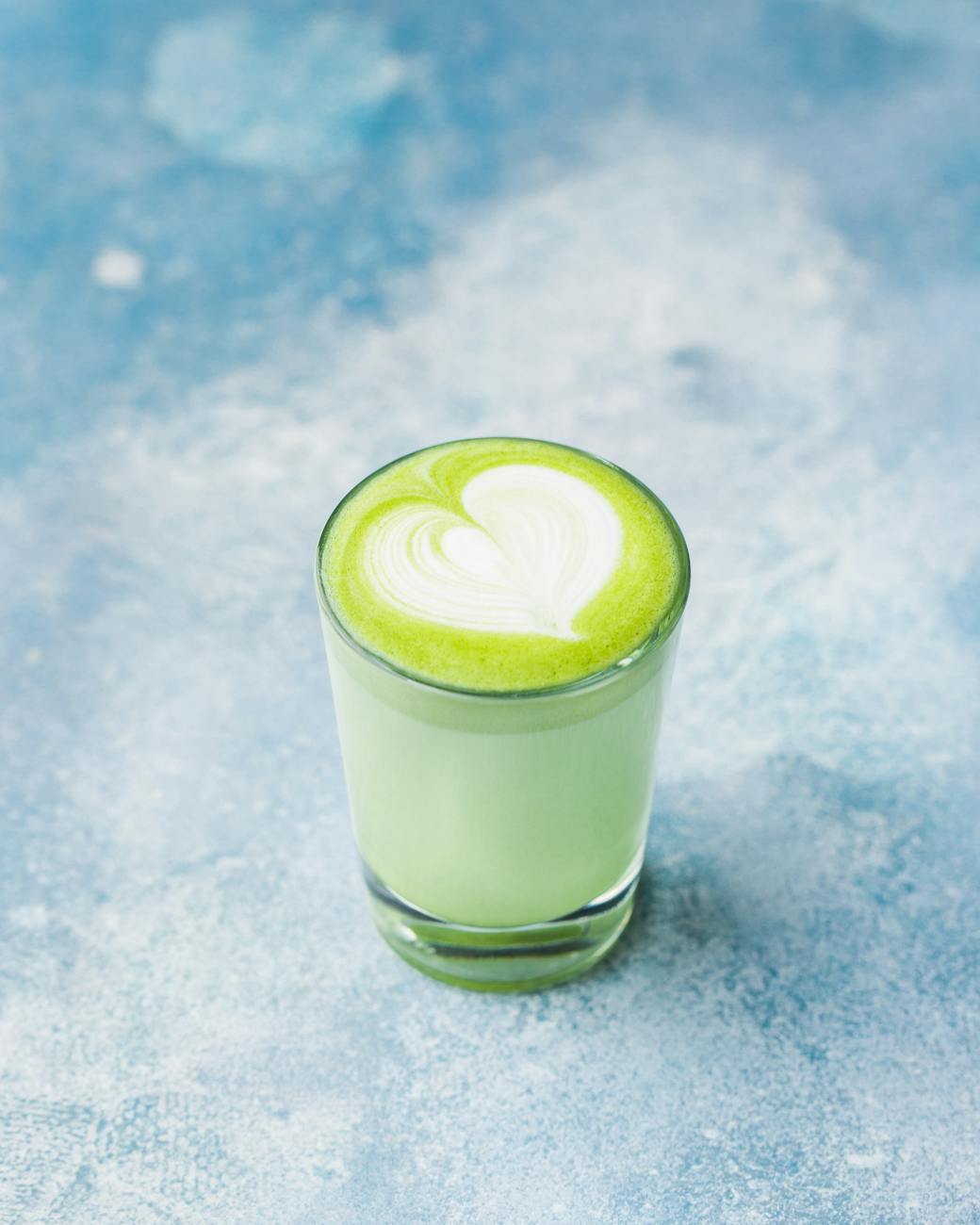
Photo by Yuan Cao
Why I Tried the Matcha Challenge
I’m a regular coffee drinker, not a heavy one, but I do rely on a morning cup to feel functional. I wanted to see:
If matcha could give me the same alertness without the coffee jitters
Whether I’d feel more balanced, focused, or less anxious during the day
If my sleep, digestion, or skin would change after a week
I didn’t change my diet or routine otherwise, just swapped my daily coffee for one homemade cup of matcha.
What I Used
Matcha: Ceremonial grade matcha powder (look for bright green, not dull or brownish)
Tools: Bamboo whisk and small bowl, but you can use a handheld frother
Mix: 1 tsp matcha + 2 tbsp hot (not boiling) water, whisked into a paste, then topped with oat milk or water
The 7-Day Breakdown
Day 1
The first cup was a bit grassy but smooth. I didn’t get the immediate jolt of energy that coffee brings, but within 20 minutes I felt awake, calm, not wired. No crash mid-morning either. Definitely a slower rise, but steadier.
Day 2
Still no caffeine withdrawal headache (a fear I had). Energy was clear, focus was surprisingly sharp. Felt a little lighter, like my body wasn’t being jolted into action.
Day 3
Started noticing improved digestion, not dramatically, but definitely less bloated. My skin looked a touch less puffy, too. Energy levels remained stable through the afternoon.
Day 4
I missed the ritual of coffee, but not the actual drink. Matcha was growing on me. No jitters, no 3 pm crash. My sleep also started improving, I fell asleep faster and felt more rested.
Day 5
Noticed I was snacking less and feeling more even between meals. Whether that was the matcha or placebo, I didn’t mind. Focus and calm were the standouts today.
Day 6
Matcha had fully replaced my coffee craving by now. Mood felt more level. Also worth noting: no digestive issues all week, even on busier days.
Day 7
I realised this was the first week in months I hadn’t had a caffeine crash, anxiety spike, or stomach upset. I felt clear-headed and grounded. Honestly? I was sold.
What Changed (and What Didn’t)
The Wins:
More stable energy with no spikes or crashes
Sharper focus in the mornings
Less anxiety and fewer racing thoughts
Improved digestion and no bloating
Better sleep quality from night 3 onward
What Didn’t Really Change:
I didn’t suddenly glow or drop weight
My skin was slightly clearer, but not dramatic
I still needed a solid 7–8 hours of sleep to function
Photo by Paolo Sanchez
Should You Try It?
If you’re feeling wired, tired, or just sick of relying on coffee, matcha is worth a try. It’s gentle, rich in antioxidants, and provides that elusive combination of alertness and calm, thanks to the L-theanine balancing out the caffeine.
But it’s not a magic fix. You still need to eat well, sleep enough, and manage your stress. Matcha just makes all that feel a bit easier to handle.
Tips for Getting Started
Use good matcha. Go for ceremonial grade, bright green powder. It makes a difference.
Don’t use boiling water. Hot water (around 80°C) preserves the nutrients and flavour.
Froth it properly. A bamboo whisk, frother, or even a blender can help avoid clumps.
Start small. Begin with half a teaspoon if you’re caffeine-sensitive.
Avoid late-day matcha. It can still affect your sleep if you drink it too close to bedtime.
Final Thoughts
Swapping coffee for matcha wasn’t a dramatic life overhaul, but it was a meaningful shift. I felt more in control of my energy, more focused during the day, and calmer overall. Will I stick with it? Probably. I might still sneak in the occasional flat white, but matcha has earned its place in my daily routine.
If you’re matcha-curious, a week is a great place to start. You might just become one of those people who says, “I don’t even miss coffee.”


Matcha has become the green drink of the moment. It’s in lattes, skincare, smoothies, and even cookies, but beyond the aesthetic, people swear by its benefits. They claim it gives you calm energy, improves focus, supports digestion, and floods your system with antioxidants. But what really happens if you drink matcha every single day? I decided to find out.
For seven days, I swapped my usual morning coffee for a cup of matcha and tracked how I felt. This wasn’t a lab experiment, but a simple, honest test of whether matcha could live up to the hype.
What Is Matcha, Really?
Before we get into the daily breakdown, a quick refresher: Matcha is a powdered green tea made from specially grown and processed tea leaves. Unlike regular green tea, you consume the whole leaf, so you get a much higher dose of nutrients, especially L-theanine, catechins, and a more gentle form of caffeine.
It’s been used for centuries in Japanese tea ceremonies, and more recently, it’s become a wellness go-to for people wanting a clean energy boost without the crash.
Why I Tried the Matcha Challenge
I’m a regular coffee drinker, not a heavy one, but I do rely on a morning cup to feel functional. I wanted to see:
I didn’t change my diet or routine otherwise, just swapped my daily coffee for one homemade cup of matcha.
What I Used
The 7-Day Breakdown
Day 1
The first cup was a bit grassy but smooth. I didn’t get the immediate jolt of energy that coffee brings, but within 20 minutes I felt awake, calm, not wired. No crash mid-morning either. Definitely a slower rise, but steadier.
Day 2
Still no caffeine withdrawal headache (a fear I had). Energy was clear, focus was surprisingly sharp. Felt a little lighter, like my body wasn’t being jolted into action.
Day 3
Started noticing improved digestion, not dramatically, but definitely less bloated. My skin looked a touch less puffy, too. Energy levels remained stable through the afternoon.
Day 4
I missed the ritual of coffee, but not the actual drink. Matcha was growing on me. No jitters, no 3 pm crash. My sleep also started improving, I fell asleep faster and felt more rested.
Day 5
Noticed I was snacking less and feeling more even between meals. Whether that was the matcha or placebo, I didn’t mind. Focus and calm were the standouts today.
Day 6
Matcha had fully replaced my coffee craving by now. Mood felt more level. Also worth noting: no digestive issues all week, even on busier days.
Day 7
I realised this was the first week in months I hadn’t had a caffeine crash, anxiety spike, or stomach upset. I felt clear-headed and grounded. Honestly? I was sold.
What Changed (and What Didn’t)
The Wins:
What Didn’t Really Change:
Should You Try It?
If you’re feeling wired, tired, or just sick of relying on coffee, matcha is worth a try. It’s gentle, rich in antioxidants, and provides that elusive combination of alertness and calm, thanks to the L-theanine balancing out the caffeine.
But it’s not a magic fix. You still need to eat well, sleep enough, and manage your stress. Matcha just makes all that feel a bit easier to handle.
Tips for Getting Started
Final Thoughts
Swapping coffee for matcha wasn’t a dramatic life overhaul, but it was a meaningful shift. I felt more in control of my energy, more focused during the day, and calmer overall. Will I stick with it? Probably. I might still sneak in the occasional flat white, but matcha has earned its place in my daily routine.
If you’re matcha-curious, a week is a great place to start. You might just become one of those people who says, “I don’t even miss coffee.”
Share this:
Like this: