Training for your first triathlon can be both exciting and overwhelming, but with the right preparation, it’s within your reach. There’s a lot to take in, but by following the steps outlined here, you’ll be well on your way to crossing that finish line with confidence and in decent time.
The Essential Gear: What You Really Need to Get Started
When you’re new to the world of triathlon, it’s easy to be tempted by a wide range of flashy, high-tech gear. Yet, the truth is, you only need a few key items to start your training journey.
A Comfortable Bike: A well-maintained road bike can serve as your starting point. Focus on finding a bike that fits your body properly, as comfort and safety are more important than advanced features at this stage.
Running Shoes Tailored to Your Feet: A pair of quality running shoes that offer the right balance of cushioning, stability, and support is essential.
Swim Gear That Makes Sense: A good pair of swimming goggles and a comfortable swimsuit or tri-suit are must-haves. If you’ll be training in open water, a wetsuit might be necessary, depending on the water temperature and race guidelines.
Triathlon-Specific Clothing: Investing in a well-fitted tri-suit can streamline your training and race-day transition. Focus on comfort, moisture-wicking materials, and proper fit.
Building Your Training Plan: Balancing Swimming, Cycling, and Running
With three disciplines to master, crafting a balanced training plan is crucial. Each sport complements the other, and consistent, incremental progress in all three leads to success on race day.
Phase 1: Building a Base: Start with short, manageable sessions—short swims focusing on technique, gentle bike rides to build saddle time, and easy runs at a conversational pace.
Phase 2: Increasing Volume and Intensity: Gradually add distance and intensity as your fitness improves. Consider following a structured program or hiring a coach to ensure you’re increasing workloads safely.
Avoiding Burnout: Recovery days are non-negotiable. Incorporate rest periods and adjust your training if you feel overly fatigued. Consistency beats occasional bursts of unsustainable effort.
Nutrition: What you put into your body has a direct impact on your training performance, energy levels, and recovery. Focus on easily digestible carbohydrates and a moderate amount of protein. A simple meal like oatmeal with berries or a banana and a small portion of Greek yoghurt can give you the energy you need without weighing you down.
Photo by Cihan Çimen
Triathlon Recovery: How to Recover Effectively After Training and Race Day
Finally, recovery is often overlooked, but it’s just as important as your workouts. Proper recovery ensures long-term progress, injury prevention, and enjoyment of the sport.
Rest, Rest, Rest: Adequate sleep is essential—aim for 7–9 hours per night. Active recovery sessions, like light yoga or easy walks, can help maintain circulation without overtaxing your body.
Post-Race Restoration: After your race, give yourself permission to take a break. Gentle stretching and nutrient-dense meals will speed healing and prepare you for your next goal.
Long-Term Health: Periodically assess how you feel, both physically and mentally and adjust your training plan and recovery strategies as necessary to ensure you’re always moving forward with balance. Don’t push yourself unnecessarily and don’t put too much pressure on yourself. After all, it’s a mental journey as much as it’s a physical one!


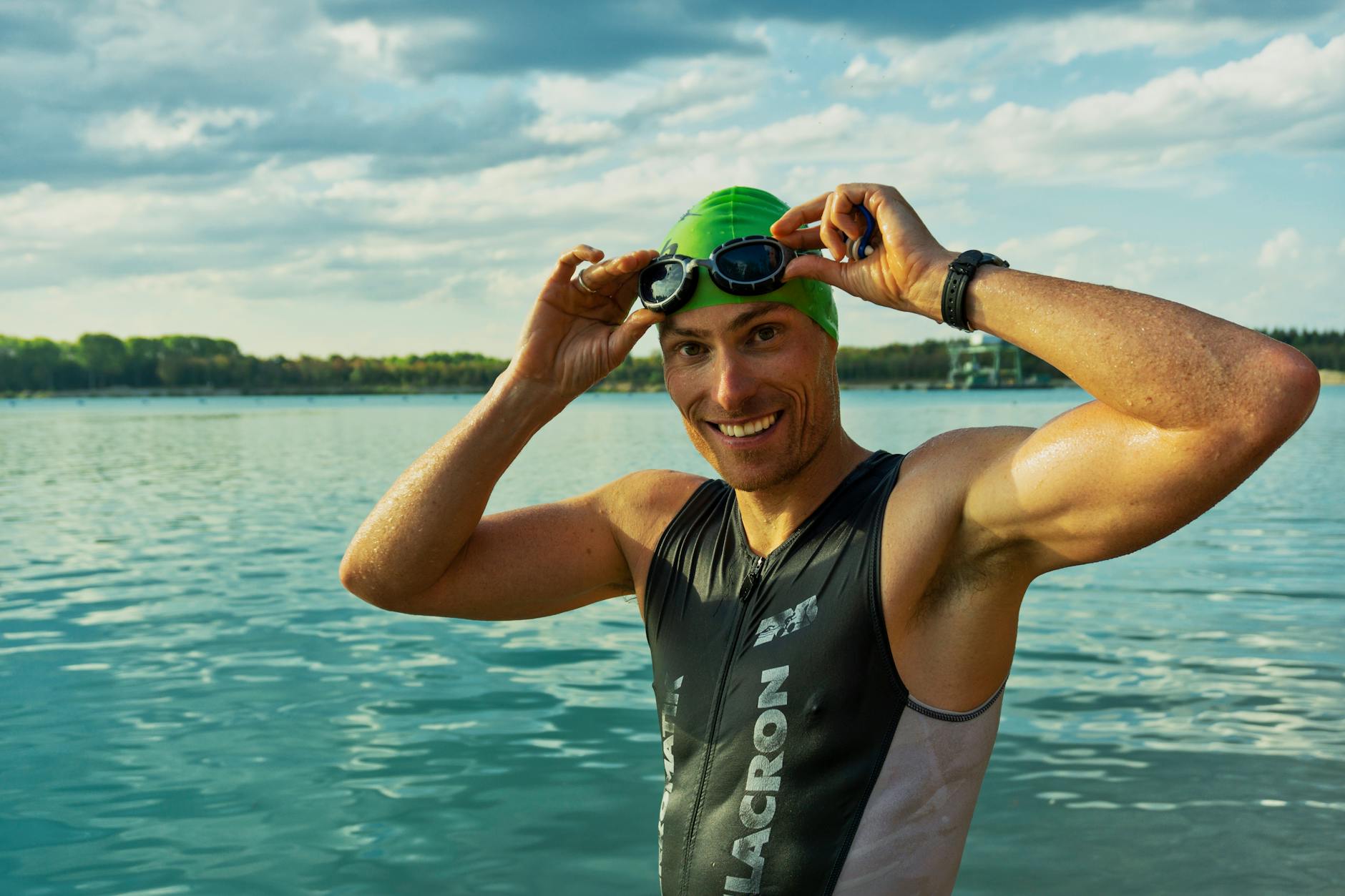
Training for your first triathlon can be both exciting and overwhelming, but with the right preparation, it’s within your reach. There’s a lot to take in, but by following the steps outlined here, you’ll be well on your way to crossing that finish line with confidence and in decent time.
The Essential Gear: What You Really Need to Get Started
When you’re new to the world of triathlon, it’s easy to be tempted by a wide range of flashy, high-tech gear. Yet, the truth is, you only need a few key items to start your training journey.
Building Your Training Plan: Balancing Swimming, Cycling, and Running
With three disciplines to master, crafting a balanced training plan is crucial. Each sport complements the other, and consistent, incremental progress in all three leads to success on race day.
Triathlon Recovery: How to Recover Effectively After Training and Race Day
Finally, recovery is often overlooked, but it’s just as important as your workouts. Proper recovery ensures long-term progress, injury prevention, and enjoyment of the sport.
Share this:
Like this: