Addiction recovery is a powerful journey, one that requires strength, resilience, and continuous self-care. Once you’ve crossed the bridge into sobriety, the focus shifts to building a life that keeps you grounded and healthy, free from old habits. And let me tell you, cooking can be one of the most rewarding hobbies to help maintain your sobriety for the long haul. If you’ve just come out of a recovery program and are looking for something to help fill your days and strengthen your resolve, the kitchen might be your next safe haven. Here’s how cooking can keep you sober, happy, and thriving!
Cooking isn’t just about whipping up meals; it’s an act of mindfulness. The careful attention required to measure ingredients, chop veggies, or time the perfect bake offers a calm and meditative experience. In a world filled with constant distractions, the simple practice of focusing on one task—like making the perfect lasagna or blending a smoothie—can be incredibly therapeutic.
Once you’re in the kitchen, all those racing thoughts quiet down. Instead of being overwhelmed by stress or emotions, you can focus on the aroma of spices or the rhythm of chopping. This type of focus helps center your mind, and before you know it, you’re immersed in creating something tangible and satisfying. It’s so different from other hobbies that might trigger feelings of restlessness or anxiety. Plus, there’s nothing like seeing a beautiful meal come together and knowing, “I made that.” The sense of accomplishment is unbeatable.
Trade Bad Habits for Delicious Recipes
Let’s face it: staying sober means restructuring your habits. This can be tough when you’ve spent years relying on substances to fill your time. But instead of feeling overwhelmed by this, what if you replaced those old habits with new, creative ones? Cooking offers you that outlet. Every time you step into the kitchen, you’re choosing to engage in something positive. It helps to shift the mindset from thinking about what you can’t do to what you can.
And what’s better than mastering new recipes? Trying your hand at different cuisines or even creating healthier versions of your favorite comfort foods gives you a new goal to focus on. Spend less time doom scrolling and more time in the kitchen, and watch how quickly the urges to engage in old habits fade. Cooking can fill those awkward pockets of time that used to be occupied by less healthy choices. It gives you something to look forward to—an activity that’s fun, productive, and 100% on your terms.
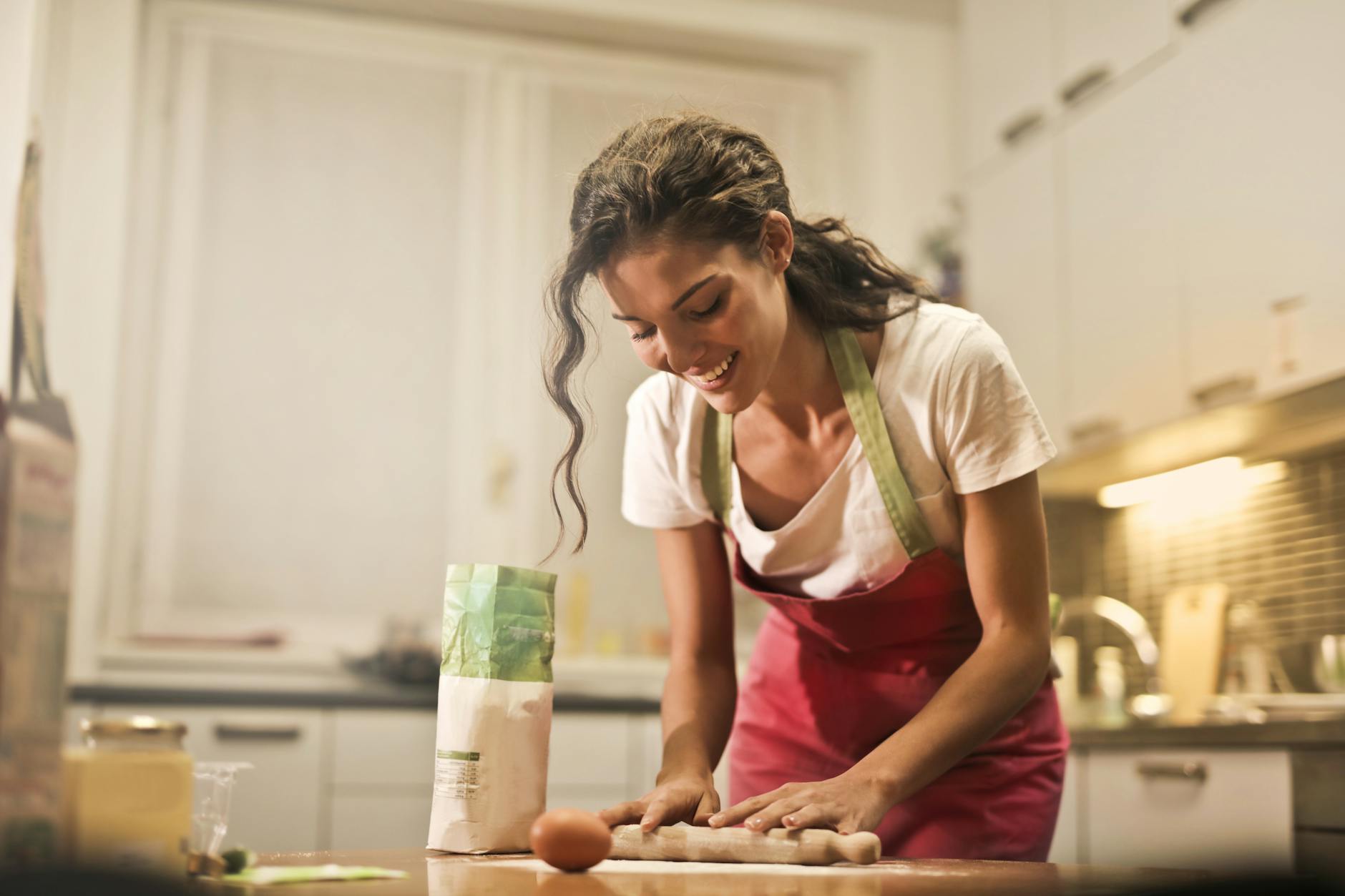
Photo by Polina Tankilevitch
Community and Connection in the Kitchen
After completing your 12-step, finishing therapy, or leaving an all-women’s detox center, the sense of community you experienced might feel like something you miss. But here’s the thing: the kitchen is an excellent place to rebuild those connections. Whether you’re cooking for family, inviting friends over for a meal, or joining a local cooking class, food brings people together like nothing else. The act of sharing a meal is intimate, warm, and comforting—a great way to rebuild trust and establish new bonds.
Let’s not forget that sharing recipes or creating meals for others can boost your confidence, too. You get to show off your skills, experiment with flavors, and make the people around you feel loved and cared for. Plus, it can be a great way to stay social without the pressure to drink or indulge in other vices. The sense of pride that comes with making a dish for others? That’s pure magic. You get all the feel-good vibes without any of the old triggers.
Healthy Living Starts in the Kitchen
Recovery is all about reclaiming your life and body, and what better way to nourish yourself than through healthy eating? Cooking allows you to have complete control over what you put into your body. You’re no longer at the mercy of processed foods or takeout, but instead, you can choose fresh, whole ingredients that give you energy and help you feel your best.
You can even start meal-prepping for the week, experimenting with plant-based dishes, or trying new superfoods you’ve never heard of before. The kitchen becomes a space where you’re not just feeding your hunger—you’re nurturing your well-being. And the better you eat, the better you’ll feel mentally and physically. Goodbye cravings, hello balance.
Healthy cooking is empowering because it shifts the focus back to your body and what it needs to stay strong. You’re rebuilding yourself from the inside out, one delicious meal at a time.
Mastering New Skills = Rebuilding Confidence
There’s nothing more confidence-boosting than learning something new and totally nailing it. Cooking can be your creative playground. From perfecting a family recipe to experimenting with something completely outside your comfort zone, you’re constantly learning and growing. And with each new dish comes the satisfaction of achieving something tangible.
Mastering new skills in the kitchen translates to real-world confidence. You begin to trust yourself more, knowing that you can tackle challenges and come out on top. This sense of accomplishment is something you can carry with you beyond the kitchen. The confidence you build can help you take on other areas of your life with the same strength and determination. You’ll realize just how capable you are of creating positive change—whether it’s a new dish or a new chapter in your life.
Photo by Katerina Holmes
The Final Dish: Cooking is More Than Just Food
Cooking isn’t just a hobby; it’s a pathway to living a sober, healthy, and fulfilling life. It offers the perfect combination of creativity, mindfulness, and connection that can keep you grounded and present. The kitchen is your space to thrive, experiment, and grow without pressure or judgment. Whether you’re cooking solo or hosting a small get-together, each moment spent preparing food is an act of self-love.
Recovery doesn’t end when you leave treatment; it’s a lifelong journey. But with a positive and empowering outlet like cooking, you have the perfect recipe for success. So put on that apron, turn up your favorite playlist, and get cooking. You’ve got this!


Addiction recovery is a powerful journey, one that requires strength, resilience, and continuous self-care. Once you’ve crossed the bridge into sobriety, the focus shifts to building a life that keeps you grounded and healthy, free from old habits. And let me tell you, cooking can be one of the most rewarding hobbies to help maintain your sobriety for the long haul. If you’ve just come out of a recovery program and are looking for something to help fill your days and strengthen your resolve, the kitchen might be your next safe haven. Here’s how cooking can keep you sober, happy, and thriving!
Mindful Cooking: Your New Best Friend
Cooking isn’t just about whipping up meals; it’s an act of mindfulness. The careful attention required to measure ingredients, chop veggies, or time the perfect bake offers a calm and meditative experience. In a world filled with constant distractions, the simple practice of focusing on one task—like making the perfect lasagna or blending a smoothie—can be incredibly therapeutic.
Once you’re in the kitchen, all those racing thoughts quiet down. Instead of being overwhelmed by stress or emotions, you can focus on the aroma of spices or the rhythm of chopping. This type of focus helps center your mind, and before you know it, you’re immersed in creating something tangible and satisfying. It’s so different from other hobbies that might trigger feelings of restlessness or anxiety. Plus, there’s nothing like seeing a beautiful meal come together and knowing, “I made that.” The sense of accomplishment is unbeatable.
Trade Bad Habits for Delicious Recipes
Let’s face it: staying sober means restructuring your habits. This can be tough when you’ve spent years relying on substances to fill your time. But instead of feeling overwhelmed by this, what if you replaced those old habits with new, creative ones? Cooking offers you that outlet. Every time you step into the kitchen, you’re choosing to engage in something positive. It helps to shift the mindset from thinking about what you can’t do to what you can.
And what’s better than mastering new recipes? Trying your hand at different cuisines or even creating healthier versions of your favorite comfort foods gives you a new goal to focus on. Spend less time doom scrolling and more time in the kitchen, and watch how quickly the urges to engage in old habits fade. Cooking can fill those awkward pockets of time that used to be occupied by less healthy choices. It gives you something to look forward to—an activity that’s fun, productive, and 100% on your terms.
Community and Connection in the Kitchen
After completing your 12-step, finishing therapy, or leaving an all-women’s detox center, the sense of community you experienced might feel like something you miss. But here’s the thing: the kitchen is an excellent place to rebuild those connections. Whether you’re cooking for family, inviting friends over for a meal, or joining a local cooking class, food brings people together like nothing else. The act of sharing a meal is intimate, warm, and comforting—a great way to rebuild trust and establish new bonds.
Let’s not forget that sharing recipes or creating meals for others can boost your confidence, too. You get to show off your skills, experiment with flavors, and make the people around you feel loved and cared for. Plus, it can be a great way to stay social without the pressure to drink or indulge in other vices. The sense of pride that comes with making a dish for others? That’s pure magic. You get all the feel-good vibes without any of the old triggers.
Healthy Living Starts in the Kitchen
Recovery is all about reclaiming your life and body, and what better way to nourish yourself than through healthy eating? Cooking allows you to have complete control over what you put into your body. You’re no longer at the mercy of processed foods or takeout, but instead, you can choose fresh, whole ingredients that give you energy and help you feel your best.
You can even start meal-prepping for the week, experimenting with plant-based dishes, or trying new superfoods you’ve never heard of before. The kitchen becomes a space where you’re not just feeding your hunger—you’re nurturing your well-being. And the better you eat, the better you’ll feel mentally and physically. Goodbye cravings, hello balance.
Healthy cooking is empowering because it shifts the focus back to your body and what it needs to stay strong. You’re rebuilding yourself from the inside out, one delicious meal at a time.
Mastering New Skills = Rebuilding Confidence
There’s nothing more confidence-boosting than learning something new and totally nailing it. Cooking can be your creative playground. From perfecting a family recipe to experimenting with something completely outside your comfort zone, you’re constantly learning and growing. And with each new dish comes the satisfaction of achieving something tangible.
Mastering new skills in the kitchen translates to real-world confidence. You begin to trust yourself more, knowing that you can tackle challenges and come out on top. This sense of accomplishment is something you can carry with you beyond the kitchen. The confidence you build can help you take on other areas of your life with the same strength and determination. You’ll realize just how capable you are of creating positive change—whether it’s a new dish or a new chapter in your life.
The Final Dish: Cooking is More Than Just Food
Cooking isn’t just a hobby; it’s a pathway to living a sober, healthy, and fulfilling life. It offers the perfect combination of creativity, mindfulness, and connection that can keep you grounded and present. The kitchen is your space to thrive, experiment, and grow without pressure or judgment. Whether you’re cooking solo or hosting a small get-together, each moment spent preparing food is an act of self-love.
Recovery doesn’t end when you leave treatment; it’s a lifelong journey. But with a positive and empowering outlet like cooking, you have the perfect recipe for success. So put on that apron, turn up your favorite playlist, and get cooking. You’ve got this!
Share this:
Like this: