Iron is a crucial dietary mineral essential for various physiological processes, notably for transporting oxygen throughout the body. However, the body does not synthesize iron; it must be sourced from our diet, and only about 10% of consumed iron is absorbed. We spoke to Vitaceuticals founders Sally Tadros and Michael Tadros to find out more.
Types of Iron in Food
Iron in food exists in two forms:
Haem Iron: This type is readily absorbed by the body and is found in animal products such as red meat, poultry, and pork.
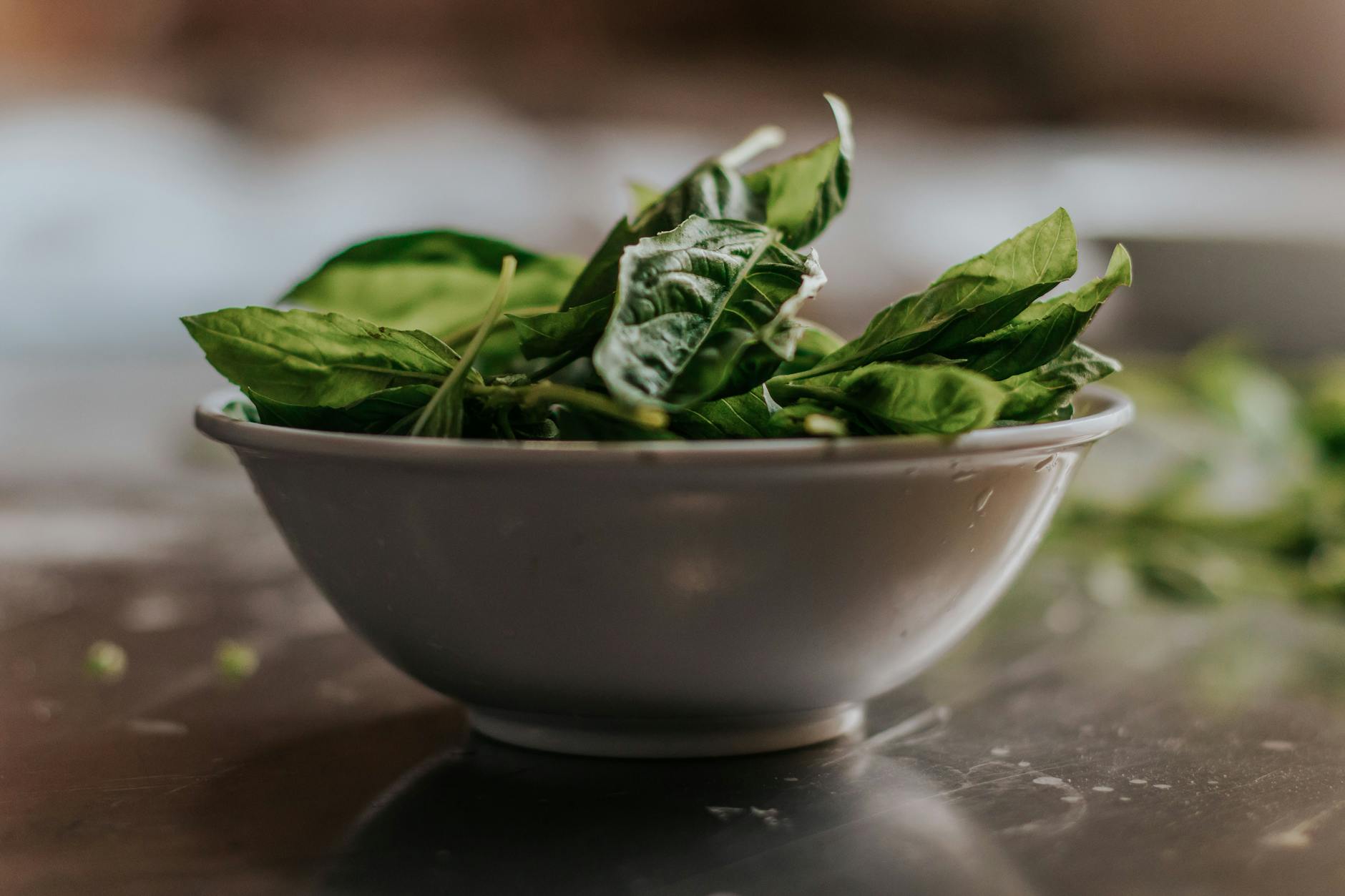
Non-Haem Iron: Found in plant-based foods like greens, lentils, peas, spinach, broccoli, fortified breakfast cereals, breads, pasta, tofu, beans, dried fruit, and eggs. Non-Haem iron is particularly crucial for those on a vegetarian or vegan diet.
Incorporating vitamin C-rich foods such as tomatoes, citrus fruits, and bell peppers can enhance the absorption of Non-Haem iron, making these combinations beneficial for improving iron intake.
Photo by Engin Akyurt
Functions of Iron in the Body
Iron plays several vital roles in the body including:
Oxygen Transport: Iron is a key component of hemoglobin, the molecule in red blood cells that carries oxygen.
Myoglobin: A protein that stores iron in muscles and gives muscle its red color.
Enzymes: Iron is integral to many enzyme functions across the body, especially those involved in energy production.
Immune System: Adequate iron levels are necessary for a robust immune system, which is essential for combating infections.
Factors That Inhibit Iron Absorption
Certain foods and beverages can impede the absorption of iron, including:
Soy proteins
Tea, coffee, and wine
Bran
It’s important to moderate the intake of these items, especially around meals intended to increase iron levels.
Symptoms of Iron Deficiency
Iron deficiency can manifest as:
Unusual paleness
Breathlessness
Dizziness
Persistent fatigue
Increased susceptibility to illness
Cognitive impairments or ‘brain fog’
Common Causes of Iron Deficiency in Adults
Several factors can lead to insufficient iron levels, including:
Inadequate dietary intake of iron
Blood loss from heavy menstrual periods, frequent blood donations, and gastrointestinal conditions such as peptic ulcers, polyps, or cancers.
Increased iron demand due to regular intense exercise, which not only boosts red cell production but also leads to iron loss through sweat.
Additional Iron Facts
Iron loss primarily occurs through sweat and blood, impacting a significant portion of the global population. Approximately one-third of the world’s population is iron deficient, with menstruating women facing higher risks compared to men and post-menopausal women. It is estimated that up to 5% of Australians suffer from iron deficiency.
Understanding these aspects of iron in the diet and its role in body functions can help us make informed choices about their health and dietary habits.
If you need to supplement your iron intake, see more here.
Sally Tadros and Michael Tadros, Co-founders of Vitaceuticals.


Iron is a crucial dietary mineral essential for various physiological processes, notably for transporting oxygen throughout the body. However, the body does not synthesize iron; it must be sourced from our diet, and only about 10% of consumed iron is absorbed. We spoke to Vitaceuticals founders Sally Tadros and Michael Tadros to find out more.
Types of Iron in Food
Iron in food exists in two forms:
Incorporating vitamin C-rich foods such as tomatoes, citrus fruits, and bell peppers can enhance the absorption of Non-Haem iron, making these combinations beneficial for improving iron intake.
Functions of Iron in the Body
Iron plays several vital roles in the body including:
Factors That Inhibit Iron Absorption
Certain foods and beverages can impede the absorption of iron, including:
It’s important to moderate the intake of these items, especially around meals intended to increase iron levels.
Symptoms of Iron Deficiency
Iron deficiency can manifest as:
Common Causes of Iron Deficiency in Adults
Several factors can lead to insufficient iron levels, including:
Additional Iron Facts
Iron loss primarily occurs through sweat and blood, impacting a significant portion of the global population. Approximately one-third of the world’s population is iron deficient, with menstruating women facing higher risks compared to men and post-menopausal women. It is estimated that up to 5% of Australians suffer from iron deficiency.
Understanding these aspects of iron in the diet and its role in body functions can help us make informed choices about their health and dietary habits.
If you need to supplement your iron intake, see more here.
Share this:
Like this: