As a passionate baker, are you consistently searching for ways to optimise your baked goods? You’re probably good friends with vanilla extract, and you used some artificial sweetener. That’s great, but have you ever thought of using flavour concentrates to enhance the flavour of your baked goods?
What is the difference between essence and flavour concentrates?
You wouldn’t be the first if you’ve ever stood in the baking aisle wondering whether to grab vanilla essence or a fruity flavouring. Each has its unique strengths. Understanding them could help you make the best choice for your recipe and enhance the flavour of what you’re baking. Let’s take a look at how they are different.
What are essences?
First, essence is a concentrated liquid that smells and tastes like the specific ingredient you want to use. Vanilla essence is among the most common, and mint and lemon are other options. Generally, essence is made by extracting oils from plants or synthetically extracting the flavour, making artificial essence. If you’re going for essence, be cautious of how much you use, as it’s normally quite potent.
What are flavour concentrates?
Then there are flavour concentrates. Commonly used for vape juice, flavour concentrates have impacted the baking world and even infiltrated beer flavouring. Flavour concentrates pack a powerful punch of flavour and are brilliant if you want to add a dynamic range of flavours to your baking repertoire.
A major component in flavour concentrates that makes it brilliant at carrying flavour is the propylene glycol (PG). Due to its composition, it functions as a great stabiliser, carrier, and base ingredient for different products, so not only flavour concentrates but pharmaceuticals, as well as skincare and beauty products. If you need to buy bulk pharmaceutical-grade propylene glycol, here’s a helpful page from Universal Flavours, who use this in their huge range of flavour concentrates.
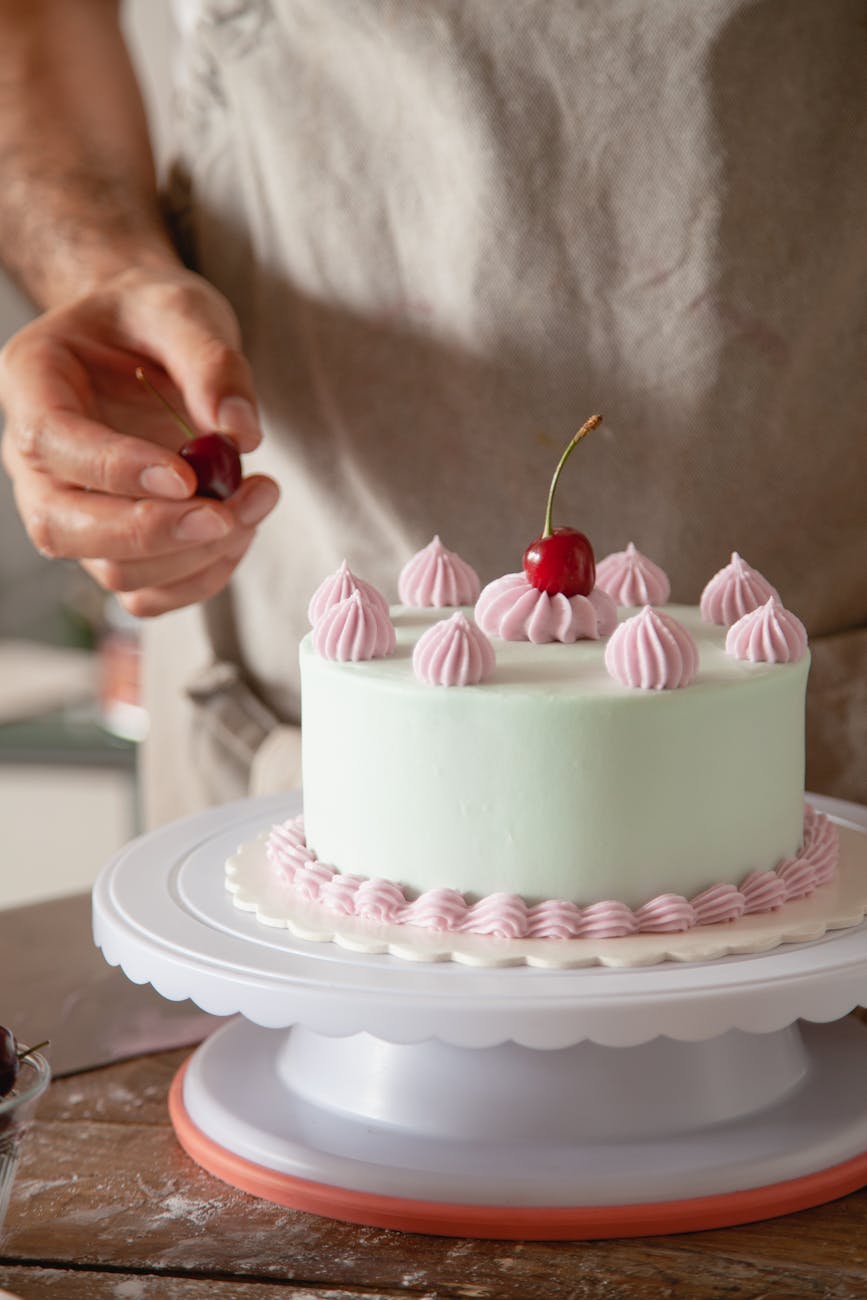
Photo by Felicity Tai
What are the benefits of using essence for baking?
Essence is a staple in home kitchens and commercial bakeries because it is straightforward to use. It gives you a fast and effective way to add flavour to your bakes without changing your recipe significantly, making it convenient for most people.
The use of essence is especially helpful when trying to achieve a particular flavour without adding much moisture to your bake. Like we said earlier, a small amount of essence goes a long way. Because they are concentrated, essence provides robust flavour without diluting or watering down your batter or affecting how your bakes rise or feel. Some examples of what essence can be used for baking include flavouring cupcakes and cakes, macarons, cookies, biscuits and icing.
Here are some of the best benefits of using an essence when baking:
Highly concentrated – essence is highly concentrated, making a small drop go a long way when flavouring a recipe. Because of this small amount, the texture and moisture of the bake won’t be affected either
Long shelf life – essence keeps well, and small bottles can last you a long time. Odds are that you will finish a bottle before it goes off
Affordable – while they are also subject to variations in price by brand, essence is typically cheaper than pure extract products, making them more ideal for large-scale baking
What are the benefits of using flavour concentrates for baking
To talk about flavourings directly can be challenging, as they come in many forms, including extracts, syrups, pastes, liquids, or powders. At the very least, the number of flavourings that come in provides you with the flexibility to tailor the taste of your bakes to fit exactly what you’re looking for.
Flavourings come in handy when you have a recipe that you want the flavour to develop or intensify in as it bakes or sets. Some baked goods that flavour concentrates work well when making cheesecakes, muffins, cakes, frosting and even pastries. Here are some of the main benefits of using flavour concentrates in your baked goods:
Variety – one thing that flavour concentrates have that gives them a huge advantage is the sheer number of different flavours available
Flavour intensity – flavourings also offer your customisable intensity, meaning you can choose how strong you want to make the flavour by adding more or less flavouring.
Versatility – flavour concentrates work well in dry and moist recipes because they come in different forms. You can choose from a liquid-based flavour, extract, or powder
Can be sugar-free – a huge benefit of using flavour concentrates is that, unless they are explicitly labelled and contain no diacetyl, they are free from sweeteners, which is great for those who want to enhance flavour without adding extra sugar and sweetness
Photo by Los Muertos Crew
When defining the role of flavours, essence, and syrups in baking, there is no real one-size-fits-all answer, as they all have their strengths and some overlapping similarities. We recommend that you try out all of them in your bakes at different times and compare the results. Ultimately, if you’re baking for yourself, it comes down to what you enjoy.


As a passionate baker, are you consistently searching for ways to optimise your baked goods? You’re probably good friends with vanilla extract, and you used some artificial sweetener. That’s great, but have you ever thought of using flavour concentrates to enhance the flavour of your baked goods?
What is the difference between essence and flavour concentrates?
You wouldn’t be the first if you’ve ever stood in the baking aisle wondering whether to grab vanilla essence or a fruity flavouring. Each has its unique strengths. Understanding them could help you make the best choice for your recipe and enhance the flavour of what you’re baking. Let’s take a look at how they are different.
What are essences?
First, essence is a concentrated liquid that smells and tastes like the specific ingredient you want to use. Vanilla essence is among the most common, and mint and lemon are other options. Generally, essence is made by extracting oils from plants or synthetically extracting the flavour, making artificial essence. If you’re going for essence, be cautious of how much you use, as it’s normally quite potent.
What are flavour concentrates?
Then there are flavour concentrates. Commonly used for vape juice, flavour concentrates have impacted the baking world and even infiltrated beer flavouring. Flavour concentrates pack a powerful punch of flavour and are brilliant if you want to add a dynamic range of flavours to your baking repertoire.
A major component in flavour concentrates that makes it brilliant at carrying flavour is the propylene glycol (PG). Due to its composition, it functions as a great stabiliser, carrier, and base ingredient for different products, so not only flavour concentrates but pharmaceuticals, as well as skincare and beauty products. If you need to buy bulk pharmaceutical-grade propylene glycol, here’s a helpful page from Universal Flavours, who use this in their huge range of flavour concentrates.
What are the benefits of using essence for baking?
Essence is a staple in home kitchens and commercial bakeries because it is straightforward to use. It gives you a fast and effective way to add flavour to your bakes without changing your recipe significantly, making it convenient for most people.
The use of essence is especially helpful when trying to achieve a particular flavour without adding much moisture to your bake. Like we said earlier, a small amount of essence goes a long way. Because they are concentrated, essence provides robust flavour without diluting or watering down your batter or affecting how your bakes rise or feel. Some examples of what essence can be used for baking include flavouring cupcakes and cakes, macarons, cookies, biscuits and icing.
Here are some of the best benefits of using an essence when baking:
What are the benefits of using flavour concentrates for baking
To talk about flavourings directly can be challenging, as they come in many forms, including extracts, syrups, pastes, liquids, or powders. At the very least, the number of flavourings that come in provides you with the flexibility to tailor the taste of your bakes to fit exactly what you’re looking for.
Flavourings come in handy when you have a recipe that you want the flavour to develop or intensify in as it bakes or sets. Some baked goods that flavour concentrates work well when making cheesecakes, muffins, cakes, frosting and even pastries. Here are some of the main benefits of using flavour concentrates in your baked goods:
When defining the role of flavours, essence, and syrups in baking, there is no real one-size-fits-all answer, as they all have their strengths and some overlapping similarities. We recommend that you try out all of them in your bakes at different times and compare the results. Ultimately, if you’re baking for yourself, it comes down to what you enjoy.
Share this:
Like this: