t’s pretty common these days to spend hours sitting at a desk, on the couch, or even in the car; and that’s become the norm for a lot of people. But living that way every day, without making time to move around, can slowly take a toll on both your body and your energy levels.
The good news is that even small changes to your daily habits can make a difference. Movement doesn’t have to mean an intense gym routine; it can be as simple as stretching, walking, or trying out a new class that sounds fun. Let’s look at how moving your body regularly can break up a sedentary lifestyle and help you feel more energized, focused, and healthier overall.
Photo by Clem Onojeghuo
Moving your body improves circulation
When someone spends hours sitting, blood flow slows down, especially in the legs, which can lead to discomfort or swelling. But when you stand up and move, your circulation improves, which helps deliver oxygen and nutrients to your muscles and organs.
Even light activities like walking to get water or stretching during breaks can encourage better blood flow. It’s often the little things that help keep your body functioning more efficiently.
Energy and focus increase with regular movement
People who sit too much often feel sluggish or find it hard to focus, especially after long stretches of inactivity. Moving around boosts your heart rate, which increases blood flow to your brain, making it easier to think clearly and stay alert.
Short bursts of activity, like a quick walk or a few jumping jacks, can help shake off brain fog and reset your focus for the day. Over time, staying active tends to make it easier to handle both mental and physical tasks.
Posture improves through strengthening muscles
A sedentary lifestyle can cause muscles to weaken, especially in your back and core, which support posture. This often leads to aches and pains that build up over time, especially for those working from a desk.
Practices like Reformer Pilates focus on building core strength and flexibility, which can help people stand taller and feel better overall. It’s a gentle but effective way to balance out the effects of sitting and improve alignment.
Photo by Nicholas Fu
Joint flexibility and mobility improve with motion
When people stop moving as much, joints tend to stiffen, making it harder to stay flexible and active. But when movement becomes part of your everyday routine, joints stay lubricated and functional.
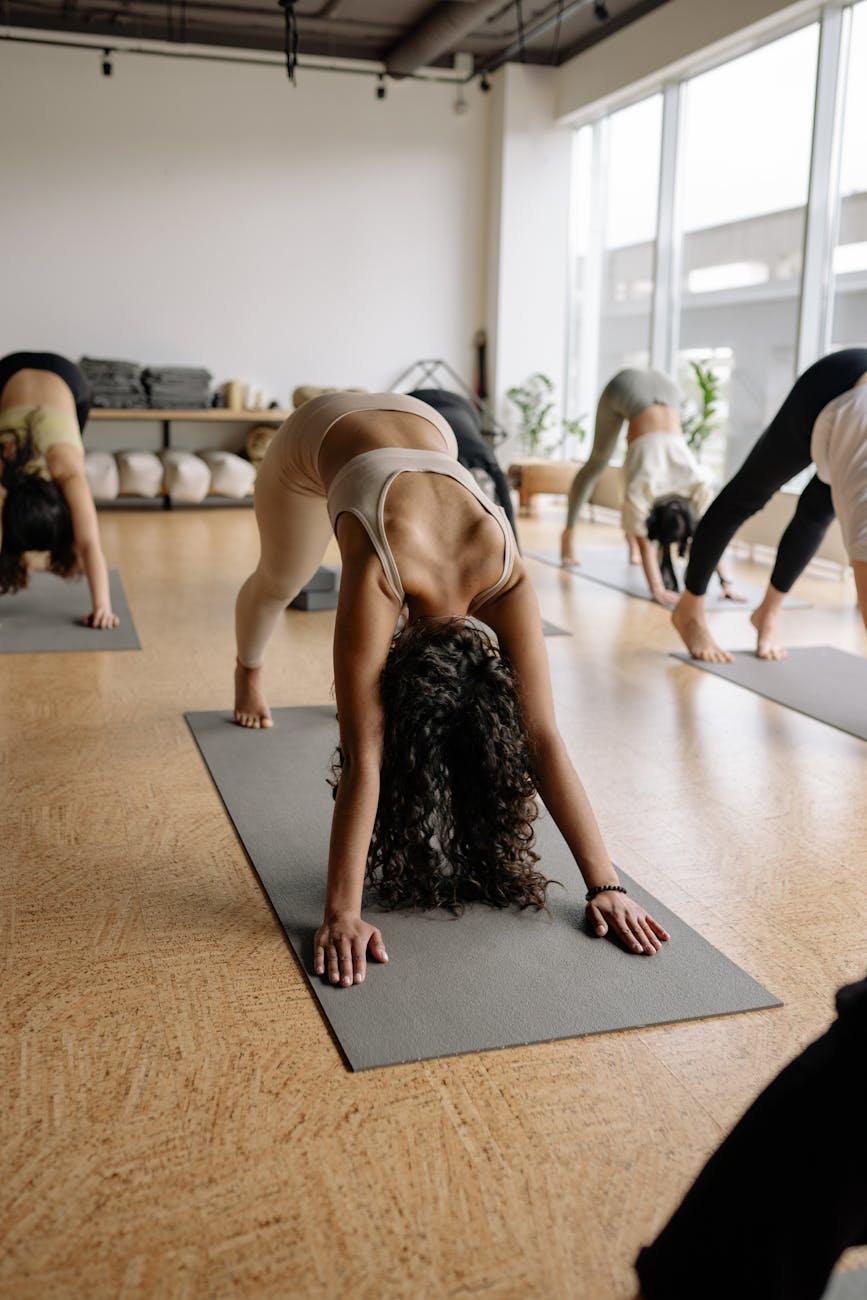
This is especially helpful for older adults or anyone dealing with joint discomfort. Gentle stretching or yoga can be helpful for keeping joints working smoothly and reducing stiffness.
Technology can help you stay on track
If it feels hard to stay motivated or remember to move, using health and wellness apps can give that extra bit of structure. These apps often include reminders, step tracking, or short workout suggestions to help build consistency.
Some people enjoy the gamified features or gentle nudges that help them pause during the workday for a quick stretch or walk. It’s a helpful way to use your phone or device to support healthier habits instead of feeling stuck behind a screen.


t’s pretty common these days to spend hours sitting at a desk, on the couch, or even in the car; and that’s become the norm for a lot of people. But living that way every day, without making time to move around, can slowly take a toll on both your body and your energy levels.
The good news is that even small changes to your daily habits can make a difference. Movement doesn’t have to mean an intense gym routine; it can be as simple as stretching, walking, or trying out a new class that sounds fun. Let’s look at how moving your body regularly can break up a sedentary lifestyle and help you feel more energized, focused, and healthier overall.
Moving your body improves circulation
When someone spends hours sitting, blood flow slows down, especially in the legs, which can lead to discomfort or swelling. But when you stand up and move, your circulation improves, which helps deliver oxygen and nutrients to your muscles and organs.
Even light activities like walking to get water or stretching during breaks can encourage better blood flow. It’s often the little things that help keep your body functioning more efficiently.
Energy and focus increase with regular movement
People who sit too much often feel sluggish or find it hard to focus, especially after long stretches of inactivity. Moving around boosts your heart rate, which increases blood flow to your brain, making it easier to think clearly and stay alert.
Short bursts of activity, like a quick walk or a few jumping jacks, can help shake off brain fog and reset your focus for the day. Over time, staying active tends to make it easier to handle both mental and physical tasks.
Posture improves through strengthening muscles
A sedentary lifestyle can cause muscles to weaken, especially in your back and core, which support posture. This often leads to aches and pains that build up over time, especially for those working from a desk.
Practices like Reformer Pilates focus on building core strength and flexibility, which can help people stand taller and feel better overall. It’s a gentle but effective way to balance out the effects of sitting and improve alignment.
Joint flexibility and mobility improve with motion
When people stop moving as much, joints tend to stiffen, making it harder to stay flexible and active. But when movement becomes part of your everyday routine, joints stay lubricated and functional.
This is especially helpful for older adults or anyone dealing with joint discomfort. Gentle stretching or yoga can be helpful for keeping joints working smoothly and reducing stiffness.
Technology can help you stay on track
If it feels hard to stay motivated or remember to move, using health and wellness apps can give that extra bit of structure. These apps often include reminders, step tracking, or short workout suggestions to help build consistency.
Some people enjoy the gamified features or gentle nudges that help them pause during the workday for a quick stretch or walk. It’s a helpful way to use your phone or device to support healthier habits instead of feeling stuck behind a screen.
Share this:
Like this: